Best Hot Water Heater Element Options for Your Needs?

Time:2026-06-26 Author:Aria
0%

Choosing the right hot water heater element is crucial for efficiency. The right element can enhance your system’s performance and longevity. Various options are available, but each has unique specifications.

Understanding your needs is vital. Different hot water heater elements suit various heating requirements. Compatibility with your current system plays a key role. Higher wattage elements heat water faster but may require careful installation and wiring. Consider the type of water in your region, as hard water can affect longevity.

It’s also important to think about maintenance and replacement. Some elements are easier to replace than others. Regular maintenance can prolong their life and save costs. Investing in a reliable hot water heater element can lead to a more efficient, sustainable home. Making a well-informed choice ensures you won't face unexpected failures.
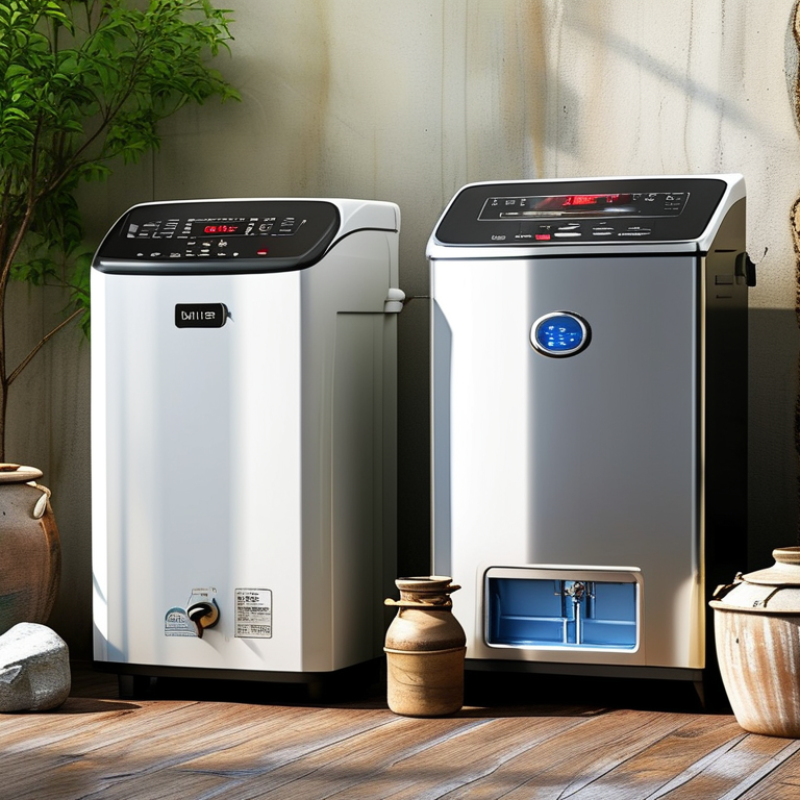
Best Hot Water Heater Element Options for Your Needs?

Understanding the Function of Hot Water Heater Elements

Hot water heater elements play a crucial role in how efficiently your heater operates. These components are responsible for heating the water in your tank. When they function well, you enjoy consistent hot water for your needs. If one malfunctions, you may experience lukewarm showers and extended wait times for hot water. Understanding this function can help you troubleshoot issues early.

The heating elements typically consist of a metal coil, usually encased in a protective sheath. When powered, they generate heat that warms the surrounding water. The effectiveness of these elements can diminish over time, often due to mineral buildup or corrosion. This may lead to reduced heating efficiency. Regularly inspecting these parts can prevent unexpected breakdowns.

Choosing the right element depends on your water heater's capacity and energy source. Electric heaters usually have two elements while gas heaters may only require one. Powering them involves a simple electric connection. Still, consider enlisting a professional for installation or maintenance. Proper care will prolong the lifespan of your water heater and ensure that it meets your household's hot water demands efficiently.

Types of Hot Water Heater Elements: A Comprehensive Overview

When considering hot water heater elements, understanding the various types available is crucial. There are generally two main types: tankless and traditional storage elements. Tankless systems heat water on demand. This can be efficient, reducing energy consumption by up to 30% according to recent industry reports. On the other hand, traditional elements heat and store water in tanks.

Another common type is the electric heating element. Electric elements are typically easier to replace and maintain. They can also offer a reliable means of water heating. However, they usually have a higher operational cost than gas models, especially in high-demand scenarios. Research indicates that up to 50% of households use electric water heaters, showcasing their popularity.

Many users overlook the importance of insulation. Proper insulation can significantly reduce heat loss, enhancing efficiency. Inadequate insulation might lead to higher energy bills. As water heater elements age, they can become less efficient, often needing replacement within 8-12 years. Regular maintenance checks can help avoid unexpected failures and prolong lifespan. Understanding these nuances is essential for making informed choices about hot water heater elements.

Factors to Consider When Choosing a Hot Water Heater Element

When choosing a hot water heater element, several factors come into play. The wattage of the element is crucial. A higher wattage heats water faster, but it may also increase energy costs. According to the U.S. Department of Energy, doubling the wattage can cut heating time significantly. However, this might not be ideal for homes with older wiring.

The type of material used for the heating element is also important. Copper elements conduct heat efficiently, but they tend to corrode faster. In contrast, stainless steel elements are more durable and resistant to corrosion. A report by the Energy Information Administration indicates that well-maintained elements can last five to ten years. Ensuring the right material can save money in the long run.

Tip: Regular maintenance of your hot water heater can prolong the life of the heating element. Check for sediment buildup, as it can reduce efficiency. When in doubt, consult a professional to evaluate the condition of your system. This can prevent unexpected breakdowns. Remember, some choices may not be perfect and could lead to overheating or inadequate heating. Always weigh your options carefully.

Top Brands and Models of Hot Water Heater Elements

When selecting hot water heater elements, the right choice can enhance efficiency and extend the lifespan of your unit. Various brands offer innovative solutions. Some elements are designed for quick heating, while others focus on longevity. It's crucial to assess your specific needs before diving into options.

Efficiency is a key factor. Some models reduce energy consumption significantly. However, not every brand excels in producing reliable components. Research customer reviews to gauge performance. Remember, not all replacements fit perfectly. A mismatch could lead to inefficiencies. It’s worth considering both affordability and durability.

Installation also impacts performance. DIY installations can save money but may lead to complications later. Seeking professional help might seem costlier but often ensures proper function. A poor installation may result in leaks or inadequate heating. Reflect on what level of expertise you possess before proceeding. Prioritize brands with a good reputation for customer support, as this can help resolve potential issues smoother.

Installation and Maintenance Tips for Hot Water Heater Elements

Hot water heater element installation requires attention to detail. Ensure the power is off before starting. A common mistake is not draining the tank fully, which can lead to flooding. Use a screwdriver to remove the access panel and check the condition of the old element. Signs of wear include rust or corrosion.

Maintenance is crucial for efficiency. According to the Department of Energy, improperly maintained heaters can increase energy costs by up to 25%. Regularly flushing the tank removes sediment buildup, which can affect performance. Consider doing this every six months. Not everyone remembers these maintenance tasks, leading to inefficiencies.

Replacement should occur every five to ten years, depending on usage and water quality. Pay attention to the element type and wattage for optimal performance. Utilize a multimeter to check electrical connections before replacing an element. Following these tips can extend the life of your water heater, making the investment worthwhile. Ignoring maintenance can lead to costly repairs or replacements. Regular checks will ensure consistent hot water for your needs.

Best Hot Water Heater Element Options for Your Needs

Element Type Wattage Material Lifespan (Years) Price Range Maintenance Tips
Standard 4500W Copper 6-12 $25 - $50 Regularly flush tank, check for sediment buildup.
Low Watt Density 3500W Incoloy 8-15 $40 - $70 Inspect for corrosion, clean annually.
Silicone 4500W Silicone 5-10 $30 - $60 Check connections and insulation periodically.
Shorty 4500W Stainless Steel 6-10 $30 - $55 Inspect for leaks, replace every few years.

FAQS

: What should I consider when choosing a hot water heater element?

: Consider wattage, material, and efficiency. Higher wattage heats faster but may increase energy bills.

How does wattage affect heating time?

Doubling the wattage can significantly cut heating time. Older wiring may struggle with high wattage.

Which materials are best for heating elements?

Copper heats well but corrodes quickly. Stainless steel is more durable and resists corrosion better.

How long can well-maintained heating elements last?

They can last between five and ten years with proper maintenance. Regular checks are essential.

Why is regular maintenance important?

It prolongs the element’s life. Check for sediment buildup that can decrease heating efficiency.

Should I install the element myself or hire a professional?

DIY saves money but may cause issues. Professional help can avoid leaks and ensure proper function.

Can mismatched elements lead to problems?

Yes, mismatched elements may cause inefficiencies. Always verify compatibility before making a choice.

How can I research brands and models?

Read customer reviews and compare efficiency. Not every brand guarantees reliable performance.

Is it okay to choose affordability over durability?

It’s a trade-off. Affordable options may fail sooner, leading to higher long-term costs.

What should I do if I experience problems with my hot water heater?

Consult a professional. Brands with good support can resolve issues more smoothly.

Conclusion

When selecting the best hot water heater element, it’s essential to understand their function and the different types available. Hot water heater elements are crucial for heating water efficiently, and knowing the distinctions between them can help in making an informed decision. Factors such as wattage, durability, and compatibility with your specific water heater model should be carefully considered.

In addition to understanding the types and selecting the right element, proper installation and maintenance are vital for ensuring the longevity and efficiency of the hot water heater element. Regular checks and replacements as needed will keep your water heating system running smoothly. By focusing on these aspects, homeowners can enjoy a reliable supply of hot water tailored to their needs.


Aria

Aria

Aria is a dedicated marketing professional with a deep passion for innovative strategies and a keen understanding of our company's product offerings. With a wealth of experience in the industry, Aria excels at crafting engaging content that highlights the unique features and benefits of our......