How to Choose the Best Heating Element for Your Needs?

Time:2026-06-07 Author:Liam
0%

Choosing the right heating element can be challenging. With numerous options available, understanding your needs is crucial. A heating element can impact efficiency, safety, and comfort in your space.

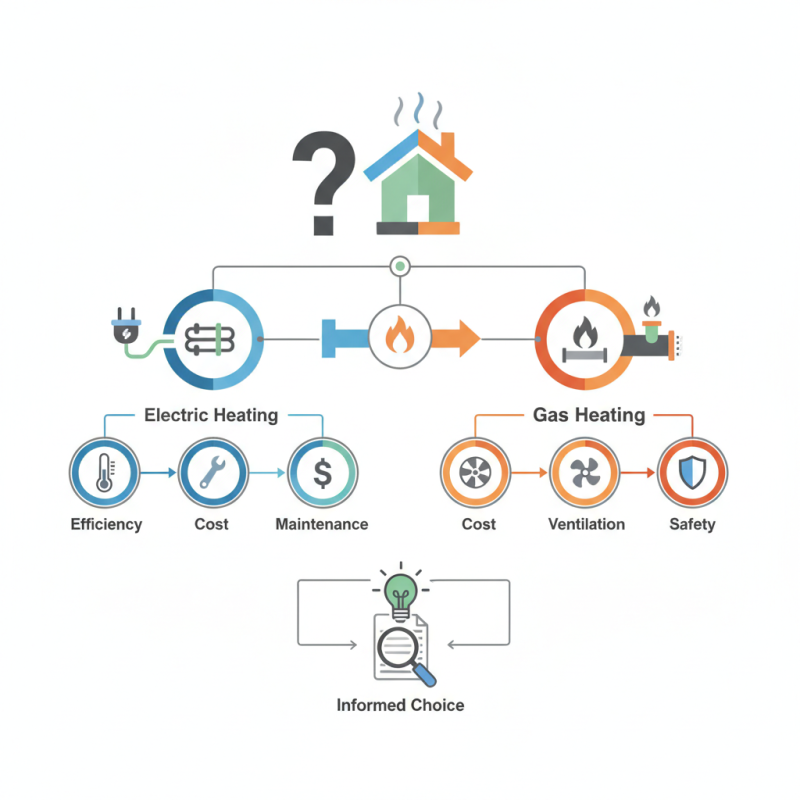
Consider the type of heating element that fits your requirements. For example, electric heating elements are common for household use. They can vary in size and wattage, affecting their performance. Likewise, gas heating elements offer a different experience. They provide instant heat, but considerations around ventilation and safety arise.

Research is vital. Look for reviews and testimonials to gauge reliability. Manufacturers' specifications play a key role in your decision. Also, reflect on energy consumption, costs, and maintenance. What works for one situation may not work for another. Evaluating all factors is essential in making an informed choice on heating elements.
How to Choose the Best Heating Element for Your Needs?

Understanding Different Types of Heating Elements Available in the Market

When selecting a heating element, understanding the various types available is crucial. Common types include resistive, induction, and infrared heating elements. Each has unique features that cater to specific applications. According to a report by the Global Heating Elements Market, resistive heating elements dominate the market due to their simplicity and efficiency, accounting for over 50% of total sales in 2022.

Resistive heating elements convert electrical energy into heat through a material's resistance. They are found in many household appliances, such as toasters and heaters. Induction heating, although gaining popularity, remains less common. This technology heats cookware directly through electromagnetic fields, providing rapid and efficient heating. It's favorable in professional kitchens, as studies show it can save up to 30% on energy costs compared to traditional methods.

Infrared heating elements offer quick heat with minimal warm-up time. They are more efficient for targeted heating solutions. However, potential drawbacks include uneven heat distribution. Some users may find them less suited for larger spaces. Understanding these factors can lead to better decision-making when selecting the right heating element for specific needs.

Factors to Consider When Choosing a Heating Element for Specific Applications

When choosing a heating element, the application is crucial. Different environments require specific designs. Consider the temperature range needed for your project. High temperatures may require ceramic elements while lower ranges suit metal ones.

Next, think about the size. A compact space may need a small and lightweight design. Heating capacity also matters. Too much power can cause safety issues. Not enough may lead to inefficiency.

Durability is another factor. Some elements last longer than others. Examine materials for corrosion resistance and thermal stability. Lastly, cost can influence decisions. Balancing quality and expense is necessary. It’s important to weigh these factors carefully.

Evaluating Energy Efficiency and Cost-Effectiveness of Heating Options

Choosing the right heating element goes beyond initial costs. Evaluating energy efficiency helps identify long-term savings. According to the U.S. Department of Energy, over 50% of energy consumption in homes comes from heating. An efficient heating element can reduce energy bills significantly.

Different heating technologies offer varied efficiency rates. For instance, electric heaters often yield efficiency as high as 100%. However, gas and infrared options can sometimes deliver heat faster and at lower operational costs. Balancing upfront costs with energy efficiency is crucial.

Tip: Always examine the energy star rating. Higher ratings indicate greater efficiency. Don’t overlook maintenance costs, either. Keeping a heating element in top condition can enhance efficiency. Additionally, consider the size of your space. A unit too small will work harder, wasting energy. Adjust your choice based on space requirements.

How to Choose the Best Heating Element for Your Needs?

Heating Element Type Energy Efficiency (%) Average Cost ($) Lifespan (Years) Environmental Impact
Electric Resistance 85 150 10 Moderate
Infrared 90 200 15 Low
Induction 95 300 20 Very Low
Hydronic 88 250 25 Low
Heat Pump 400% 500 15 Very Low

Assessing Safety Features and Regulatory Standards for Heating Elements

When selecting a heating element, safety features are crucial. Many heating elements have built-in protection systems. These systems prevent overheating, which can cause fires. Additionally, some models offer automatic shut-off features. This can be an essential safeguard, especially in homes with children or pets.

Regulatory standards vary by region. Familiarizing yourself with these guidelines is essential. Look for certifications from recognized organizations. These certifications indicate the product meets specific safety criteria. However, not all manufacturers are transparent about their compliance. This can lead to confusion, as some products may not adhere to the same high standards. Investigating the reputation of the manufacturer is a necessary step.

Consumer reviews can provide insight into actual performance. Users often highlight issues not covered in official documentation. Critiques range from durability to safety concerns. While some feedback may feel exaggerated, it’s a reminder to remain cautious. Balancing personal needs with these assessments can lead to better choices. Remember that a heating element is a long-term investment. Choosing wisely ensures both safety and efficiency in the long run.

Maintenance and Longevity: How to Ensure Your Heating Element Lasts

When considering maintenance for heating elements, understanding their operational environment is crucial. Research indicates that overheating can reduce the lifespan significantly. A study by the National Institute of Standards and Technology found that many heating elements fail at temperatures exceeding their specifications. Regularly checking the ambient temperature can prevent this.

Proper cleaning is another essential aspect of maintenance. Dust and debris buildup can cause overheating. Industry standards recommend cleaning heating elements every six months. Using a dry cloth or a vacuum cleaner can help maintain efficiency. Neglecting this can lead to unseen failures.

User awareness is vital. Different materials have varying longevity. Stainless steel elements, for instance, often last longer than their aluminum counterparts. Yet, a lack of user knowledge often leads to premature replacements. Consistent monitoring of heating performance can help identify issues early. Regular inspections can ultimately yield better performance and save costs in the long run.

Heating Element Longevity vs. Maintenance Practices

FAQS

: What are the common types of heating elements?

: Common types include resistive, induction, and infrared elements. Each serves different applications effectively.

How do resistive heating elements work?

They convert electrical energy into heat through resistance in materials. Found in many common household appliances.

What are the advantages of induction heating?

Induction heats cookware directly via electromagnetic fields. It can save up to 30% on energy costs in kitchens.

What should I consider regarding energy efficiency?

Evaluate energy ratings and maintenance costs. A more efficient element can significantly lower long-term energy bills.

Are there any safety features in heating elements?

Many have built-in protection systems to prevent overheating and automatic shut-off features for added safety.

Should I trust all manufacturers regarding safety compliance?

Not all manufacturers are transparent about compliance. Investigate their reputation and look for product certifications.

What can affect performance in larger spaces?

A unit that's too small may work harder, wasting energy. Proper sizing is crucial for efficiency in larger areas.

How can consumer reviews help my decision?

They provide real-world performance insights, highlighting potential issues not found in official documentation.

Can infrared heating elements have drawbacks?

Yes, they can cause uneven heat distribution. This might make them less suitable for larger spaces.

Why is the energy star rating important?

A higher rating indicates better energy efficiency, which can lead to significant savings over time.

Conclusion

When selecting the best heating element for your needs, it's essential to understand the various types available in the market, as they cater to different applications and requirements. Key factors to consider include the specific application for which the heating element will be used, as well as its energy efficiency and cost-effectiveness. Evaluating the safety features and regulatory standards is also crucial to ensure compliance and minimize risks.

Moreover, proper maintenance plays a significant role in the longevity of a heating element. Regular checks and care can help in maximizing its lifespan and performance. By considering these aspects, you can make an informed decision that aligns with your heating needs while ensuring safety and efficiency in your chosen heating element.


Liam

Liam

Liam is a dedicated marketing professional with a profound expertise in the industry, where he excels at highlighting the unique advantages of our core products. With a keen understanding of market trends and consumer needs, Liam frequently updates our company’s professional blog, providing......