Global buyers are evaluating Coolant Pump suppliers against a tougher industrial background. The International Energy Agency’s Global EV Outlook 2024 projected more than 17 million electric car sales worldwide in 2024. That growth increases demand for reliable battery, inverter, and motor cooling systems. It also raises the cost of choosing poorly.
A pump may look like a small component. It is not. The U.S. Department of Energy identifies pumping systems as major industrial electricity users, especially when sizing, throttling, or maintenance is inadequate. John H. Lienhard, professor emeritus at MIT, defines the principle clearly: “A pump is a device that imparts energy to a fluid.” That energy must arrive at the right pressure, flow rate, and temperature. Otherwise, a shiny specification sheet means little.
This guide presents seven practical buying tips for international purchasers. It examines flow requirements, pressure losses, coolant compatibility, motor efficiency, noise, ingress protection, testing, and supplier support. Real operating details matter. A pump mounted beside a hot battery pack faces different conditions from one serving a factory chiller. Ask for verified curves, not optimistic promises. Request endurance data, material certificates, and test records tied to the actual model.
No checklist is perfect. That is worth admitting. Supplier claims can still hide assumptions about altitude, viscosity, ambient heat, or control signals. Buyers should challenge those assumptions before signing contracts. A dependable Coolant Pump is not simply the cheapest unit. It is the unit that performs predictably after installation, across seasons, markets, and years of service.
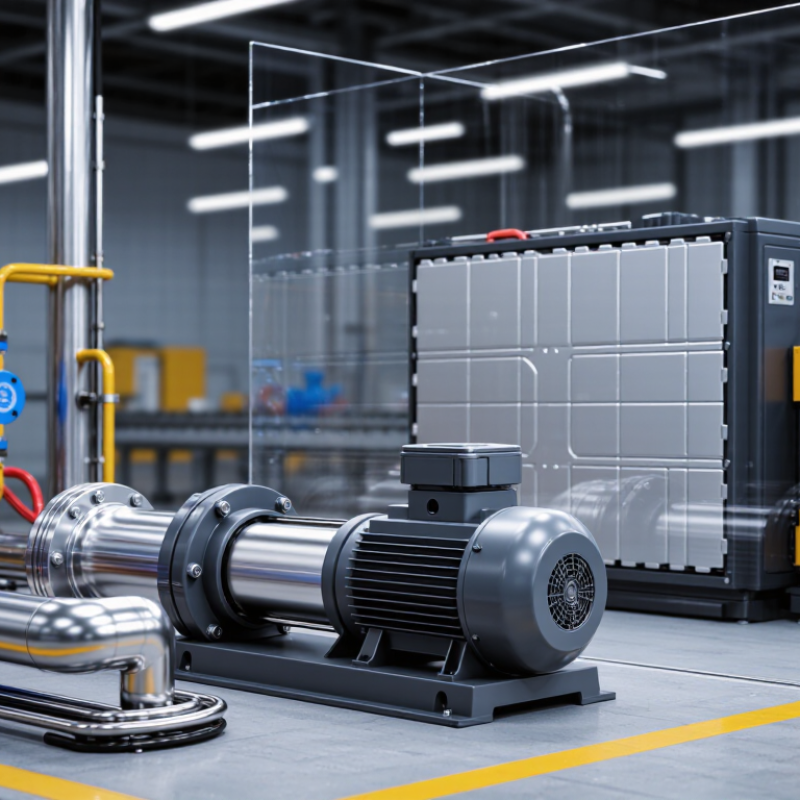
A coolant pump is the circulation engine of your cooling system. It moves fluid through heat sources, hoses, radiators, and return lines. Before comparing prices, define its exact duty. Is it cooling an industrial spindle, battery pack, laser, or engine? Each application needs different flow, pressure, temperature, and operating hours.
A larger pump is not always safer. Excessive flow can create noise, vibration, or unnecessary energy use. Too little pressure may leave hot spots near the equipment. In practical system reviews, I check the required flow at the actual resistance, not only the pump’s free-flow rating. Fluid type matters too. Water-glycol mixtures behave differently from water. Seals, housing materials, and temperature limits must match the coolant.
Buying tip: Request a performance curve, not a single flow number. Confirm the working point, inlet conditions, duty cycle, and electrical requirements. Global buyers should also verify voltage, frequency, connector design, and applicable safety documentation. Small details matter.
Buying tip: Check how the pump communicates with the system. A speed-control input, fault signal, or temperature sensor can simplify protection and maintenance. Ask about noise levels and replacement parts before purchase. I have seen systems perform well during testing but become difficult to service later. That weakness is easy to overlook. Select a pump that fits the whole cooling circuit, not just the equipment outlet.
7 Coolant Pump Buying Tips for Global Buyers
Selecting a coolant pump starts with two numbers: required flow rate and operating pressure. Do not copy maximum catalog values. Measure the equipment’s actual heat load, coolant temperature, pipe length, and elevation changes. A machine needing 40 liters per minute at 2 bar may require more pressure when filters, bends, and narrow passages create resistance. Pump curves provide a clearer picture than a single rated figure.
Tips: Ask for the pump curve, not only the advertised flow rate. Confirm performance at your real operating pressure. Check whether the stated data uses water or your actual coolant. Small differences in viscosity can change results.
During commissioning, observe the outlet temperature and pressure gauge. I have seen systems deliver acceptable flow but poor cooling because pressure collapsed across a clogged filter. A pump with excessive capacity can also cause turbulence, noise, and unnecessary energy use. A modest safety margin helps, but an oversized pump is not automatically safer. This is where buyers sometimes misjudge the specification. Consider variable operating conditions, including winter start-up and high ambient temperatures. Verify seal materials, motor compatibility, electrical requirements, and local installation standards before ordering. Ask the supplier to confirm the duty point in writing. Clear technical records make international purchasing more reliable.
Planning note: The flow and pressure figures below are indicative starting ranges for equipment selection, not universal specifications. Confirm the required duty point using the equipment manual, coolant properties, pipework losses, and the pump performance curve.
| Buying Tip | Equipment Need | Indicative Flow Rate | Indicative Operating Pressure | What to Check Before Buying |
|---|---|---|---|---|
| 1. Match flow to the equipment’s heat load | Machine-tool spindle or process cooling circuit | 10–30 L/min (2.6–7.9 US gpm) | 2–4 bar (29–58 psi) | Use the equipment maker’s required flow and inlet-temperature limits. Do not select a pump from motor power alone. |
| 2. Confirm pressure at the required flow | Coolant delivery through hoses, filters, valves, and internal passages | Use the specified system flow; often 5–40 L/min (1.3–10.6 US gpm) | Calculate total system resistance; do not rely on the pump’s maximum or shutoff pressure | Compare the duty point with the pump curve. Include pressure losses through pipework, fittings, filters, and the equipment. |
| 3. Allow for the coolant’s properties | Water-based coolant, glycol mixture, or other process fluid | Set the flow requirement for the actual operating fluid | Recheck pressure and performance at the fluid’s operating temperature | Verify fluid compatibility, viscosity, density, temperature range, and any required seals or wetted materials. |
| 4. Check the system layout and elevation | Reservoir-to-machine circuits with different pipe lengths or height differences | Maintain the equipment’s specified flow at the inlet | Account for static head where applicable, plus friction and component losses | Provide the pump with a system layout, pipe diameter, run length, fittings, and elevation change for a more reliable selection. |
| 5. Avoid oversizing the pump | Circuits with flow-control valves, small passages, or pressure-sensitive components | Select for the required operating range, not an unnecessarily high maximum flow | Keep pressure within the equipment’s permitted inlet range | Excess flow or pressure can increase energy use, noise, heat, and component wear. Confirm whether a bypass or control method is needed. |
| 6. Verify suction and reservoir conditions | Flooded-suction or lift-suction installation | Meet the required duty without starving the pump | Ensure suction conditions support stable operation at the selected duty point | Check inlet size, suction lift, reservoir level, strainer restriction, and the pump’s permitted suction conditions to reduce cavitation risk. |
| 7. Confirm electrical and service requirements | Continuous or intermittent operation at the installation site | Choose a pump that delivers the required flow at the site’s operating conditions | Confirm the duty pressure after installation losses | Check supply voltage and frequency, motor protection, duty cycle, ambient conditions, connection sizes, maintenance access, and local compliance needs. |
Material selection starts with the coolant, not the pump catalogue. Water-glycol mixtures usually suit stainless steel wetted parts, but concentration, temperature, and oxygen exposure still matter. Deionized water can attack ordinary metals because it seeks dissolved ions from surfaces. Choose compatible stainless steel, engineered polymers, or protective coatings after reviewing conductivity and impurity levels. Salt-based brines need stronger corrosion resistance, especially around threaded joints and seals. Small leaks often begin there.
Seal material deserves equal attention. EPDM commonly handles water and glycol, while fluorocarbon compounds may perform better with many oils and higher temperatures. Always verify the exact formulation. Additives can change compatibility. A stainless impeller is not automatically safe. Galvanic contact, poor passivation, or abrasive particles can still shorten its life. This is where supplier testing becomes useful, although some selection sheets remain too general.
The U.S. Department of Energy reports that pumping systems represent about 27% of electricity use in industrial motor-driven systems. Efficient hydraulics matter, but material failure can erase those savings quickly. The NACE IMPACT study estimated global corrosion costs at about 3.4% of worldwide GDP. That figure is broad, not pump-specific, yet it shows the scale of the risk.
Request immersion-test results, temperature limits, and seal data for your actual coolant. Do not rely only on a familiar material grade. That shortcut can be expensive.
When I assess a coolant pump, I begin with energy use, not purchase price. A pump running continuously can add significant operating costs over several years. Ask for power data at the actual flow rate and pressure. Laboratory efficiency may not match your system. Measure it.
Noise deserves practical attention. A pump that sounds acceptable in a showroom may become irritating beside a workstation. Request sound data at a stated distance and operating speed. Check vibration, mounting, and pipe alignment as well. I have seen quiet pumps become noisy after poor installation. The pump was not always the main problem.
Maintenance requirements can vary widely between similar-looking models. Look for accessible seals, replaceable wear parts, clear inspection intervals, and reliable service documentation. Confirm spare-part availability in your destination market before ordering. A low-maintenance design still needs clean coolant and proper filtration. Neglect changes the calculation.
Service life should be evaluated under your real temperature, duty cycle, and fluid conditions. Ask for test methods, not only promised hours. Warranty terms, technical response time, and repair capability also matter for global buyers. Some specifications remain unclear. That deserves caution. A slightly higher purchase cost may be reasonable if it reduces downtime, energy waste, and repeated maintenance. Still, calculate the payback using your own operating hours, not an optimistic estimate.
Global coolant pump buyers should verify standards before comparing prices. Match the pump with applicable IEC requirements, regional conformity marks, and material rules such as RoHS. Confirm voltage, frequency, coolant chemistry, temperature range, pressure, and ingress protection. Ask for test reports from an accredited laboratory. Short certificates are not enough.
Supplier reliability needs evidence, not polished presentations. Request production traceability, failure-rate records, warranty exclusions, spare-parts availability, and service response times. A supplier should explain how each pump is tested before shipment. The U.S. Department of Energy reports that pumping systems can consume up to 25% of electricity in industrial facilities. Therefore, hydraulic efficiency and motor performance deserve serious attention. One missed efficiency detail can become an expensive operating problem.
Calculate total cost across the pump’s working life. Include purchase price, freight, import duties, installation, electricity, maintenance, downtime, and disposal. Compare power consumption at your actual flow and pressure, not only at the catalogue’s best point. Ask for performance curves and independent verification. A cheaper pump may require more energy and earlier replacement. But the calculation is rarely perfect. Coolant contamination, pressure losses, and seasonal demand can change results. Keep assumptions visible, and require the supplier to review them before contract approval.
It circulates fluid through heat sources, hoses, radiators, and return lines.
Match both values to the equipment’s actual heat load and flow resistance.
Excessive capacity can create turbulence, vibration, noise, and higher energy use.
Request a performance curve instead of one advertised flow number.
Yes. Water-glycol mixtures may have different viscosity and heat-transfer behavior.
Confirm voltage, frequency, connector design, motor compatibility, and required safety documents.
Ask for test procedures, traceability records, warranty exclusions, spare-parts access, and service response times.
Include purchase, freight, duties, installation, electricity, maintenance, downtime, and disposal.
Observe outlet temperature, pressure, noise, and flow during normal operation.
Choosing the right Coolant Pump is essential for maintaining stable temperatures, protecting equipment, and improving the efficiency of a cooling system. Global buyers should first define the pump’s role, including whether it will support continuous circulation, heat removal, or precise temperature control. The selected flow rate and pressure must match the equipment’s actual requirements to prevent insufficient cooling, excessive energy use, or unnecessary system stress. Materials should also be compatible with the coolant and operating environment, especially when systems face high temperatures, corrosion, pressure changes, or demanding duty cycles.
A complete evaluation should go beyond initial purchase price. Compare energy consumption, operating noise, maintenance needs, expected service life, and the availability of replacement parts or technical support. Buyers should also verify applicable international standards, documentation, quality controls, and supplier reliability before placing an order. Considering installation, transportation, maintenance, and long-term operating expenses will provide a clearer view of total cost. By reviewing these factors together, buyers can select a dependable pump that delivers consistent cooling performance and long-term value across different markets.

ANHAN TRADE