On a cold morning, an electric car may greet its driver with fogged glass and a chilled steering wheel. That is where the Electric Car Heater matters. Unlike a conventional car, an EV cannot rely on engine waste heat from a continuously running combustion engine. It must create or move heat using electrical energy. Simple, but not free. The heater helps warm the cabin, clear windows, and make winter trips more comfortable.
Many electric cars use one of two main systems: resistive heating or a heat pump. A resistive heater works much like an electric kettle, turning electricity into heat. A heat pump moves heat from outside air or other vehicle systems into the cabin, often using energy more efficiently in mild conditions. The exact setup varies by model, and performance can change with temperature. Drivers may notice the difference while parked: a warm cabin can be ready before departure, but heating also draws power from the battery. That can reduce driving range, especially in severe cold. Preconditioning while the car is plugged in may help preserve more battery energy for the journey. Still, there is no universal range penalty; speed, weather, battery condition, and cabin settings all matter. The details deserve attention. Understanding how the heater works helps drivers balance comfort and efficiency without relying on guesswork.
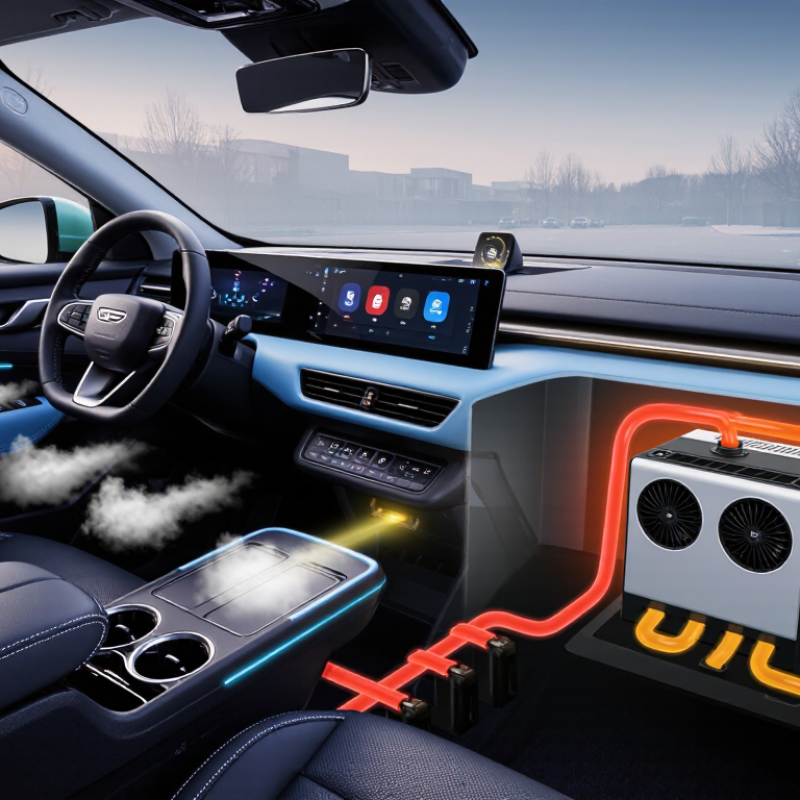
An electric car heater is the system that keeps the cabin warm when the vehicle’s motor produces little usable heat. It draws energy from the high-voltage battery, then transfers heat into the cabin through vents. You notice its work on cold mornings: warm air reaches your hands, and the windshield gradually clears. That comfort uses energy the car could otherwise use for driving.
Some vehicles use a resistive heater, which turns electricity directly into heat. Others use a heat pump, which moves heat from outside air or vehicle components into the cabin. A heat pump can use less energy in suitable conditions, though its efficiency may fall in very cold weather. The details vary by vehicle.
The heater also helps manage cabin temperature and supports window defrosting. Drivers can often warm the cabin while the car is plugged in, reducing the battery energy needed after departure. Small detail, real benefit. Still, heating can reduce driving range, especially on short winter trips when the cabin repeatedly cools and reheats. The trade-off is easy to underestimate; a comfortable setting may feel modest, but the battery still pays for it.
| Dimension | How It Works | What It Does | Practical Notes |
|---|---|---|---|
| Purpose | An electric car heater uses electrical energy to warm the cabin air, and in some vehicles, other parts of the thermal-management system. | Provides cabin comfort and helps clear fog or ice from the windscreen and windows. | Unlike a conventional combustion vehicle, an electric car cannot rely on engine waste heat for cabin heating. |
| Resistive heating | Electric current passes through a resistive element, which converts electrical energy into heat. A positive temperature coefficient (PTC) element increases its electrical resistance as it gets hotter, helping limit its temperature. | Directly heats air or coolant that is then circulated through the cabin’s vents. | At the point of use, resistive heating produces roughly one unit of heat for each unit of electricity consumed. |
| Heat-pump heating | A heat pump uses a refrigerant circuit to move heat from outside air or other available heat sources into the cabin. A compressor and heat exchangers support this transfer. | Warms the cabin by transferring heat rather than generating all of it directly from electricity. | It can use less electrical energy than resistive heating in suitable conditions. Efficiency varies with outdoor temperature, system design, and operating conditions. |
| Air and coolant circulation | A blower moves air across a heater core or heating element. Some vehicle designs also circulate heated coolant through components in the thermal system. | Distributes heat through the cabin and can support temperature control for vehicle components. | Exact layouts differ by vehicle; not every electric car uses the same heating or coolant arrangement. |
| Temperature control | Temperature sensors and control software adjust heater output, blower speed, and air distribution in response to selected settings and measured conditions. | Maintains the requested cabin temperature and directs warm air where it is needed. | Automatic climate control may reduce output after the cabin reaches the set temperature. |
| Energy use and driving range | The heater draws electricity from the vehicle’s high-voltage battery; its energy use depends on the heater type, temperature settings, trip length, and outside conditions. | Uses battery energy that would otherwise be available for driving. | Cold weather can increase heating demand and may reduce available driving range. Preconditioning while plugged in can reduce the need to draw initial cabin-heating energy from the battery. |
| Defrosting and demisting | The climate system directs warm, often dehumidified air toward the windscreen and other windows. | Helps remove condensation and melt frost or ice, improving visibility. | Use the vehicle’s defrost setting and keep windows clear before driving; heating performance depends on conditions and system capacity. |
| Main takeaway | An electric car heater is part of the vehicle’s electric climate-control system and may use resistive heating, a heat pump, or a combination of technologies. | It keeps occupants comfortable and supports clear windows without relying on engine heat. | The precise design and energy consumption vary by vehicle and operating conditions. |
It uses energy from the high-voltage battery to warm cabin air. Warm vents can comfort your hands and help clear the windshield.
Electricity passes through a heating element, which warms air moved by a fan. It is simple, but can draw substantial power.
It moves heat from outside air or vehicle components into the cabin. In suitable weather, it may use less energy than resistive heating.
Yes. Very cold air offers less usable heat, so performance can fall. Some systems add resistive heat.
Yes. Heating uses battery energy that could otherwise support driving. Short trips can be less efficient when the cabin repeatedly cools and reheats.
Many vehicles allow this. It can reduce the battery energy used for heating after you leave.
They usually need less energy because they warm the body directly. A warm seat helps, but a fogged windshield stays fogged.
Outside temperature, airflow, insulation, and control settings all matter. The system is more complicated than one hot component; it is easy to misjudge that.
An Electric Car Heater warms the passenger cabin and helps maintain a comfortable temperature in cold weather. Unlike a conventional vehicle heater that can use heat from an engine, an electric car relies on electrical energy to produce warmth. Its heating system may include a heating element or heat pump, temperature sensors, controls, fans, and ducts that direct warm air where it is needed.
When the driver selects a temperature, the system responds to cabin conditions and generates heat, then uses fans and vents to distribute it throughout the interior. Common designs include resistance heaters, which turn electricity directly into heat, and heat pumps, which transfer heat from outside air or other parts of the system. Because heating draws power from the vehicle’s battery, frequent or intensive use can increase energy consumption and reduce driving range. Settings, outside temperature, and how quickly the cabin needs to warm up all influence the effect.

 ANHAN TRADE