Choosing the right electric tankless water heater can seem daunting. With various options available, it is important to understand your needs. Electric water heaters tankless save space and provide hot water on demand. They eliminate the need for large tanks, making them ideal for smaller homes or apartments.
You must consider several factors when selecting the best model. Look at flow rates and temperature settings. Different households require different capacities. It’s crucial to match the heater with your household’s hot water usage. Reviews from reputable sources can provide insights into reliability and performance.
However, don’t overlook potential challenges. Installation might require professional help, adding to initial costs. Some models may not perform well in colder climates. Reflect on these aspects, as they can affect your long-term satisfaction. Choosing an electric water heater tankless is about balancing performance with specific needs. This careful decision-making process can lead to a more comfortable home.
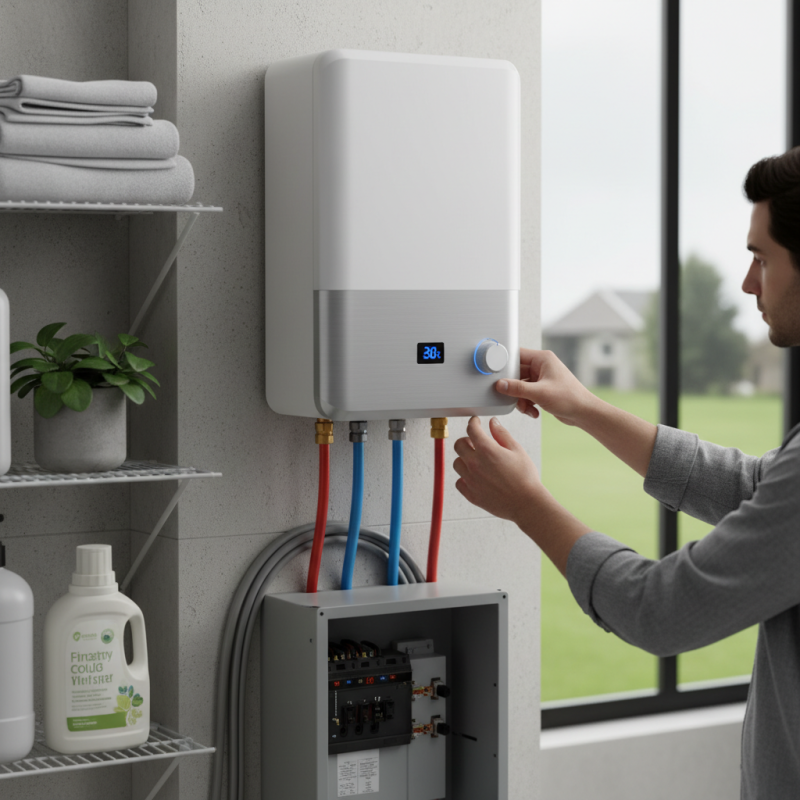
Electric tankless water heaters are gaining popularity for their efficiency and convenience. Unlike traditional models, they heat water on demand. This means users enjoy endless hot water without the bulky tank. According to a study by the Department of Energy, homeowners can save about 24% to 34% on energy costs. These savings can greatly impact household budgets over time.
One of the key benefits is their compact size. Electric tankless units fit easily into small spaces. This is essential for apartment dwellers or those with limited installation space. Yet, installation can be tricky, requiring proper electrical capacity. In some cases, upgrades to home wiring might be needed. Encountering such obstacles can be frustrating for new users or DIY enthusiasts.
A notable consideration is flow rate. This measurement determines how much hot water can be delivered at once. Factors like home size and simultaneous usage affect flow rate requirements. Choosing an inadequate unit can lead to temperature fluctuations during use. Hence, it's vital to match the heater size with household needs. Doing research and seeking professional guidance can clarify these decisions.
Choosing the right electric tankless water heater involves several key factors. First, consider the flow rate you need. This refers to how much hot water you require at peak usage times. A quick calculation based on your home’s hot water needs can help here. More faucets running means you need a higher flow rate.
Next, think about the temperature rise. This is the difference between the incoming water temperature and the desired output temperature. If you live in a colder climate, your heater must work harder. A lower temperature can lead to disappointing results. Energy efficiency is also crucial. Look for units with a good energy factor rating. Higher efficiency often means lower bills and less environmental impact.
Installation options can vary significantly too. Some homes may require specialized setups that can complicate installation. It’s also essential to check the warranty. A longer warranty indicates confidence in the product. However, don’t just rely on surface action; some brands have solid backing but poor real-life performance. Always read reviews and ask for personal experiences to gain better insight.
Choosing the right electric tankless water heater can feel overwhelming. Understanding power ratings and flow rates is key for performance. According to the U.S. Department of Energy, residential water heaters use about 14 to 25 percent of energy in a home. This makes efficient choices crucial.
Power ratings, measured in kilowatts (kW), affect heating capacity. Typically, electric heaters range from 3 to 30 kW. Higher kW means faster heating but a need for more electrical supply. Flow rates, measured in gallons per minute (GPM), denote how much hot water you get. For example, a unit with a flow rate of 7 GPM can provide enough hot water for multiple fixtures, like a shower and a dishwasher simultaneously.
Tips: Check your household needs. Ensure your water heater can handle peak demands. Also, consider eco-friendly options. Certification from recognized organizations adds trust to your choice. Remember to assess installation requirements. Some units need professional setup to operate efficiently. Inadequate installation can impair performance.
Many homeowners overlook maintenance. Regular checks can save money in the long run. Reliability matters, as low-cost models may not be durable. Always weigh cost versus performance based on data. An investment now can lead to sustainable savings later.
When evaluating electric tankless water heaters, energy efficiency is a crucial factor. According to the U.S. Department of Energy, these systems can lead to significant cost savings over time. For instance, a properly sized electric tankless unit can save households between 24% to 34% more energy compared to traditional storage water heaters. This data highlights the potential for reduced utility bills and a smaller carbon footprint.
Moreover, electric tankless water heaters have a lifespan of over 20 years, surpassing that of conventional units. This longevity means fewer replacements, which can also result in financial savings. However, it's essential to consider that the installation costs can be higher due to the need for adequate electrical capacity. Homeowners might also face challenges in retrofitting their existing systems.
While many find tankless systems beneficial, some users report inconsistent hot water flow under heavy usage. This inconsistency prompts a need for careful sizing of the unit to match household demands. Understanding peak flow rates is critical. Knowledge about your household's hot water needs can help prevent this issue. Balancing initial costs with long-term savings requires thoughtful consideration and planning.
When installing an electric tankless water heater, understanding the requirements is crucial. Begin by ensuring your electrical system can support the heater's power demands. This might involve upgrading your home’s electrical panel or adding dedicated circuits. The existing plumbing should also be compatible. Proper sizing is essential to avoid pressure drops or inefficiency.
Maintenance is key for the longevity of your unit. Regularly check the filter and clean it every few months to prevent limescale buildup. This is vital for performance. Flushing the system annually can enhance efficiency and lifespan. Utilize a descaling solution specifically designed for tankless heaters.
Pay attention to water temperature settings. A too high setting may strain your heater and reduce its life. Keep the surrounding area clear of debris. This helps with airflow and prevents overheating. Reflect on your maintenance routine to spot areas needing improvement. Every bit of care you give will reflect in performance.
: They provide endless hot water, save energy, and are compact. This design fits into smaller spaces easily.
Users can save about 24% to 34% on energy expenses over time. These savings can significantly benefit household budgets.
Flow rate indicates how much hot water is delivered simultaneously. Calculate your peak usage to find the right size.
A higher temperature rise is needed in colder climates. Failing to meet this can lead to inadequate heating.
Some homes may need electrical upgrades or specialized plumbing setups. These hurdles can frustrate new users or DIY enthusiasts.
Regular maintenance is essential. Clean filters every few months and flush the system annually for better performance.
Keep temperature settings reasonable. Overly high settings can strain the unit and shorten its lifespan.
Proper sizing is vital to avoid pressure drops. Check compatibility with existing plumbing before installation.
A longer warranty shows confidence in the heater’s durability. However, not all products deliver real-life performance.
Regular check-ups and decluttering around the unit enhances airflow. Reflect on your care routine for better efficiency.
When selecting the best Electric Water Heaters Tankless, it's essential to understand their unique benefits over traditional water heaters. These systems provide on-demand hot water without the need for a storage tank, which can lead to significant space savings and reduced heating costs. Key factors to consider include power ratings, flow rates, and energy efficiency, as these elements directly affect performance and savings on utility bills.
Additionally, proper installation and maintenance are crucial for the longevity of your Electric Water Heaters Tankless. Ensuring adequate power supply and following maintenance tips can enhance performance and extend the lifespan of your unit. By carefully evaluating these aspects, homeowners can make informed decisions that not only meet their hot water needs but also contribute to overall energy efficiency.

ANHAN TRADE