Top 10 Cooling Water Pumps for Global Buyers

Time:2026-10-05 Author:Charlotte
0%

Choosing among the Top 10 Cooling Water Pumps for Global Buyers requires more than comparing prices or motor ratings. A pump may look efficient on paper, yet struggle with high inlet temperatures, unstable voltage, or long pipe runs. The right choice depends on flow rate, total head, water quality, corrosion risk, seal design, and maintenance access. Small details matter. A clogged strainer can change everything.

Dr. Lev Nelik, a recognized pump-system engineer and author, offers a practical principle: “Pump selection begins with the system, not the catalog.” This idea guides our comparison of each Cooling Water Pump. We examine hydraulic performance, energy use, materials, noise, control options, and after-sales support. We also consider real operating conditions, including dusty rooms, seasonal temperature changes, and limited spare-part availability. Global buyers need dependable equipment, not impressive brochures.

Some rankings remain imperfect. Manufacturer data may use different testing conditions. Field performance can vary. That deserves attention. Our evaluation therefore combines technical specifications with practical selection experience. We look for pumps that maintain stable circulation, protect heat exchangers, and reduce avoidable downtime. Serviceability also matters. A clear manual and accessible mechanical seal can save hours during an emergency.

This guide is designed for engineers, contractors, facility managers, and informed purchasers. It does not treat one model as universally best. Instead, it shows where each pump fits, where it may disappoint, and what questions buyers should ask before ordering. Expect useful comparisons, not empty promises.
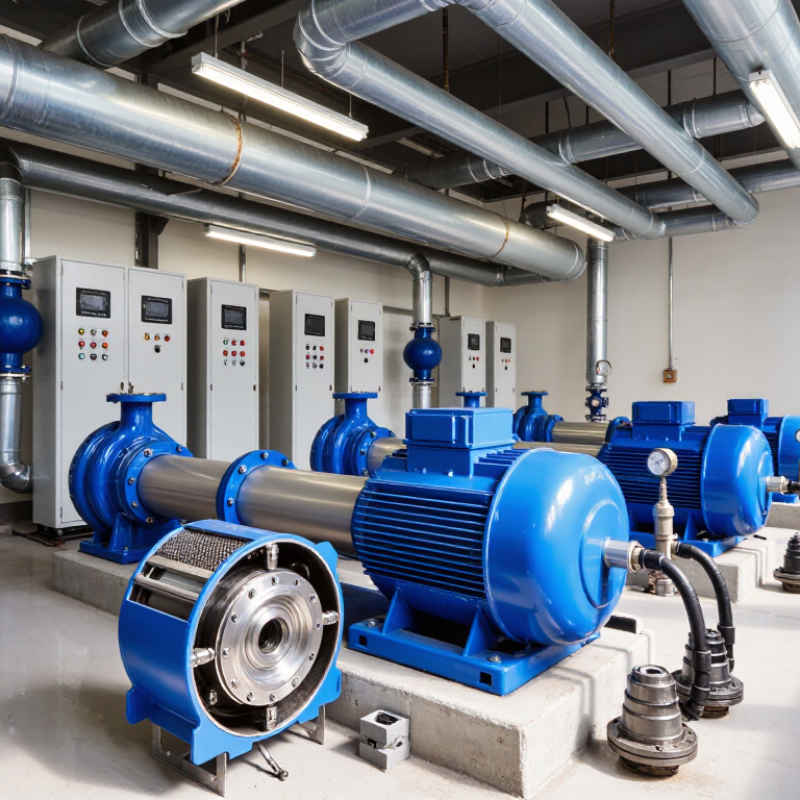
Top 10 Cooling Water Pumps for Global Buyers

What Cooling Water Pumps Are and Why Global Buyers Need Them

Cooling water pumps move treated or recirculated water through equipment that must release heat.

In practice, they serve chillers, heat exchangers, furnaces, data centers, and process lines. A pump creates flow and pressure, while water circulation transfers heat. It does not cool equipment alone.

That distinction matters. A pump with high flow but insufficient head may leave the farthest exchanger warm.

Global buyers need these pumps because operating conditions vary across regions and industries. A coastal plant may face salt-laden air and corrosion. A hot inland site may receive water above 38°C. Water quality, voltage, pipe length, elevation, and seasonal demand also affect selection.

Buyers should compare flow, total dynamic head, fluid temperature, materials, seal design, motor efficiency, and duty cycle. During commissioning, technicians should verify pressure, vibration, amperage, and outlet temperature. Do not trust the catalog alone.

Reliable procurement also depends on clear documentation and service support. Ask for performance curves, efficiency data, test records, spare-part lists, and installation limits. Confirm that electrical specifications match the destination country and project requirements.

A corrosion-resistant casing may cost more, yet reduce maintenance in aggressive water. Redundancy can protect critical cooling loops, but it adds capital and control complexity.

There is no universal best pump. Commissioning teams often find reasonable selections failing after dirty strainers or low seasonal flow were ignored.

Recheck assumptions before ordering. That pause can prevent an emergency replacement.

How Cooling Water Pumps Are Classified by Design and Application

Cooling water pumps are classified by hydraulic design and operating duty, not by appearance. Centrifugal pumps are common for steady circulation. They use a rotating impeller to create flow and pressure. Axial-flow pumps move large volumes at low head. They often serve condensers or cooling towers. Mixed-flow pumps sit between these designs. They suit moderate head and high flow. Positive-displacement pumps support dosing or small, controlled circuits, but rarely serve the main cooling loop.

Application changes the selection. Closed-loop systems need stable pressure, quiet operation, and compatibility with treated water. Open-loop systems may require stronger corrosion protection, especially with brackish water. Pump materials, shaft seals, and coatings deserve equal attention. A stainless steel casing may still fail with poorly matched seal faces. That detail is easy to miss. For high-temperature circuits, buyers should check NPSH margin, bearing limits, and motor insulation. Real flow data matters more than a catalog estimate.

Design also affects installation and maintenance. Vertical pumps save floor space in deep sumps. Horizontal split-case pumps simplify access during repairs. Submersible designs reduce installation work, yet cable protection needs careful review. Variable-speed drives can match cooling demand and reduce energy use. They cannot correct undersized pipes. Buyers should compare duty point, standby needs, water chemistry, noise limits, and local service capability. The cheapest pump is not always the least expensive choice. We should question our assumptions.

Key Performance Factors for Comparing the Top 10 Pumps

Top 10 Cooling Water Pumps for Global Buyers

Key Performance Factors for Comparing the Top 10 Pumps

Comparing the top 10 cooling water pumps starts with real operating conditions, not catalog rankings. Confirm the required flow rate, total head, water temperature, and pipe resistance. A pump that performs well at 100 cubic meters per hour may struggle at 140. Check the duty point carefully. Field inspections often reveal mismatched assumptions.

Efficiency matters, but it should be measured across the expected operating range. Review hydraulic efficiency, motor efficiency, and power consumption at both normal and peak demand. Net positive suction head available must exceed the pump’s requirement, with a practical safety margin. Cavitation can sound like gravel inside the casing. It also damages impellers quickly. Vibration readings and bearing temperature provide useful evidence during commissioning.

Material selection deserves equal attention. Stainless steel, coated cast iron, and engineered plastics respond differently to corrosion, suspended particles, and treatment chemicals. Inspect seals, shaft protection, and access to wear components. A pump with simple maintenance may outperform a more efficient design when downtime is expensive. Variable-speed control can reduce energy use, though poor programming may create unstable flow. This is where comparisons become less tidy. Datasheets rarely show installation mistakes, seasonal water changes, or neglected filters. Use test records, service experience, and independently verified performance data before making a final choice.

Top 10 Cooling Water Pumps for Global Buyers

Key Performance Factors for Comparing the Top 10 Pumps

The chart compares typical hydraulic efficiency at representative cooling-water duty points. Hover over each bar to review the associated flow rate, head, motor power, and NPSH3 requirement. Higher efficiency can reduce operating energy costs, while flow, head, motor power, and NPSH3 must be checked against the actual system design.

Values represent realistic industrial operating points for commonly used pump configurations; final selection should be validated against the manufacturer's certified performance curve and the site duty point.

Top 10 Cooling Water Pumps for Different Industrial Requirements

Top 10 Cooling Water Pumps for Different Industrial Requirements

Cooling systems rarely need one universal pump. The IEA’s The Future of Cooling reports that space-cooling electricity demand could exceed 6,000 TWh annually by 2050. Efficient water movement will matter more.

A practical top-ten shortlist covers different site conditions. End-suction centrifugal pumps suit compact, steady-duty loops. Split-case pumps handle large flow rates efficiently. Vertical turbine pumps serve deep sumps and cooling towers. Vertical inline pumps save floor space. Multistage pumps support high-pressure heat exchangers. Self-priming pumps help systems with difficult suction conditions. Magnetic-drive pumps reduce seal leakage risks. Axial-flow pumps move high volumes at low heads. Positive-displacement pumps fit precise dosing or viscous fluids. Submersible pumps manage drainage and emergency cooling-water collection.

The U.S. Department of Energy notes that pumping systems may consume 25–50% of industrial motor energy, depending on facility design. That figure makes efficiency more than a purchasing preference. Buyers should compare duty points, not maximum catalogue flow. A pump running far from its best efficiency point can waste power and suffer vibration. Variable-speed control can match changing demand, but it adds commissioning complexity. Cooling water quality also matters. Suspended solids may damage impellers, while untreated water can accelerate corrosion.

Selection is rarely perfect. Field measurements often reveal assumptions that drawings hide. Engineers should verify flow, head, temperature, materials, seal design, maintenance access, and local electrical requirements before ordering. Five minutes of neglected data can create years of operating problems.

How Global Buyers Can Evaluate Suppliers and Purchase Confidently

Cooling water pump selection looks simple until flow, head, water quality, and duty cycles collide. Global buyers need more than a polished catalog. A dependable shortlist should compare the top ten pump options against the same operating data. Record required flow, total dynamic head, temperature, pH, solids, voltage, and daily runtime. Small omissions create expensive mismatches.

Ask each supplier for a performance curve, material list, motor efficiency data, factory test records, and warranty terms. Check whether the curve reflects water conditions similar to yours. Request serial-number traceability and independent inspection when the project is critical. A credible supplier explains tolerances, spare-part availability, packaging, and commissioning support. Vague answers deserve a written follow-up. Fast replies are not technical competence.

Compare lifecycle cost, not only the quoted pump price. Calculate energy use at the actual duty point, then include seals, bearings, freight, duties, installation, and downtime risk. Confirm electrical protection and documentation meet destination-market requirements. Samples help, but they can hide production variation. Review references from facilities with comparable cooling loads. One practical mistake is trusting a familiar specification sheet too quickly. Recheck every assumption before signing, especially the duty point and corrosion allowance. Confidence comes from evidence, clear responsibilities, and a purchase record another engineer can audit.

FAQS

What information should buyers collect before comparing cooling water pumps?

Record flow rate, total head, water temperature, pipe resistance, pH, solids, voltage, and runtime.

Why should buyers compare duty points instead of maximum flow rates?

Maximum catalogue flow can mislead.

Which pump designs suit different cooling system conditions?

End-suction pumps suit compact, steady-duty loops.

How does efficiency affect pump selection?

Review hydraulic efficiency, motor efficiency, and power use across the operating range.

How can buyers identify possible cavitation during commissioning?

Check that available suction head exceeds the pump requirement.

Which materials are suitable for different cooling water conditions?

Stainless steel, coated cast iron, and engineered plastics behave differently.

What supplier documents should global buyers request?

Request a performance curve, material list, motor efficiency data, and factory test records.

How should buyers calculate the total purchase cost?

Include energy, seals, bearings, freight, duties, installation, and possible downtime.

Conclusion

Cooling Water Pumps are essential for removing excess heat and maintaining stable operating temperatures in industrial systems, power facilities, manufacturing lines, data centers, and commercial infrastructure. This summary explains what a Cooling Water Pump does and why dependable water circulation matters to global buyers. It also introduces common classifications based on pump design, installation method, flow requirements, pressure range, and application environment, helping readers understand how different models serve different operating conditions.

The guide presents the top 10 Cooling Water Pump options according to industrial requirements rather than brand names, focusing on performance factors such as flow rate, head, energy efficiency, material durability, temperature tolerance, maintenance needs, noise, and service life. It also outlines a practical purchasing process, including supplier assessment, technical documentation, certifications, warranty terms, spare-parts support, shipping arrangements, and total operating cost. By comparing these factors carefully, international buyers can select a safe, efficient, and cost-effective solution with greater confidence.


Charlotte

Charlotte

Charlotte is a seasoned marketing professional with a deep understanding of the company's portfolio and a passion for elevating its presence in the market. With a keen eye for detail and a commitment to excellence, she ensures that our professional blog is regularly updated with insightful articles......