Top Engine Coolant Heater Suppliers for Global Buyers

Time:2026-10-26 Author:Henry
0%

Global buyers need more than a low unit price when selecting an Engine Coolant Heater. A reliable choice protects cold-start performance, battery health, and vehicle uptime. Yet supplier comparisons often hide important details. Rated voltage, wattage, thread size, thermostat accuracy, cable length, and ingress protection can vary widely. Small differences matter in a bus depot or remote construction site.

This guide reviews leading Engine Coolant Heater suppliers through a practical procurement lens. It considers product range, manufacturing experience, testing procedures, documentation, export capability, and after-sales support. Evidence should include datasheets, sample evaluations, quality records, and clear warranty terms. Buyers should verify compatibility with coolant type, engine architecture, installation space, and local power standards. A heater performing well at -20°C may still be unsuitable for a 110-volt fleet or high-vibration application.

Supplier quality is never judged by catalog claims alone. Speak with technical teams. Request realistic lead times. Check packaging and replacement-part access. No supplier is perfect. Some public specifications remain incomplete, and that weakness deserves attention. Independent testing may expose it. Careful buyers can reduce thermal risk, avoid costly downtime, and build more dependable international sourcing plans. This overview supports that process with balanced comparisons, practical questions, and details that engineers and purchasing managers can verify.
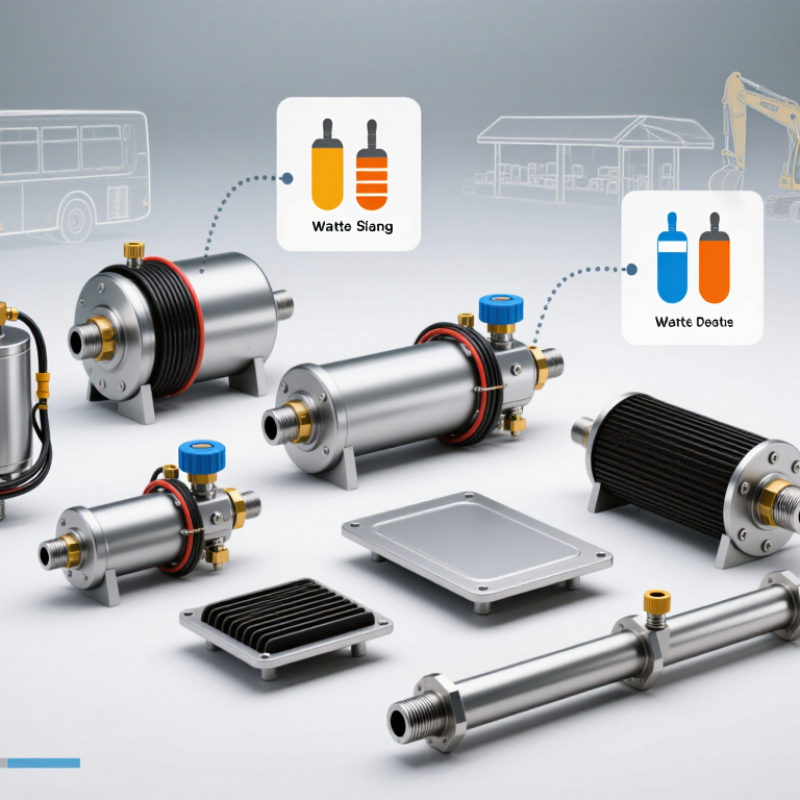
Top Engine Coolant Heater Suppliers for Global Buyers

What Is an Engine Coolant Heater?

An engine coolant heater is a device that warms the coolant before an engine starts. It is commonly used in cold climates, commercial vehicles, emergency equipment, and industrial machinery. The heater reduces cold-start strain by raising the coolant temperature while the vehicle is parked. This can support smoother ignition, quicker cabin heating, and reduced idle time.

Most units use an electric heating element installed in a coolant hose, engine block, or heater circuit. Some designs rely on natural coolant circulation, while others use a small pump. Selection depends on engine size, voltage, mounting space, and local operating conditions. A qualified technician should confirm hose routing and electrical protection. Small mistakes can cause leaks or unsafe connections.

Global buyers should ask suppliers for rated power, operating temperature, ingress protection, installation guidance, and test records. Documentation matters when products cross different markets. Confirm plug types, cable lengths, warranty terms, and replacement-part availability before ordering. I have found that compatibility tables are useful, but they are not always complete. Measuring the vehicle directly is safer. A reliable supplier should explain limitations clearly, provide traceable quality information, and support installation questions after delivery.

Supplier claims deserve checking.

How Engine Coolant Heaters Work

Engine coolant heaters warm the liquid surrounding an engine before startup. Most use an electrical resistance element. When connected to power, the element transfers heat into the coolant. Natural convection then moves warmer coolant through the engine block and cylinder head. Some advanced designs use a small circulation pump for more even heating.

This process reduces cold-start friction and helps engine oil reach working temperature sooner. It can also support easier ignition in freezing conditions. However, a heater cannot repair a weak battery or poor coolant circulation. Correct sizing matters. Voltage, wattage, hose diameter, mounting position, and coolant capacity must match the vehicle. Global buyers should also check insulation quality, electrical protection, operating temperature, and documented safety testing.

Tips: Install the heater where coolant can flow freely. Follow the vehicle maker’s coolant specifications. Inspect cables for cuts before every winter season. Avoid running a heater with low coolant. A timer can reduce energy use, but local weather should guide the schedule. In practice, installation errors cause many heating problems. Even a reliable unit may perform poorly when trapped air remains inside the cooling system.

Top Engine Coolant Heater Suppliers for Global Buyers - How Engine Coolant Heaters Work

Heater Type Commonly Supplied How It Works Typical Input Typical Heating Capacity Primary Applications Installation Method Main Selection Considerations
Immersion Block Heater An electric resistance element transfers heat directly to the coolant inside an engine water jacket, freeze plug opening, or dedicated heater port. AC, commonly 120 V, 208–240 V, or 400 V Approximately 300–1,500 W for many light- and medium-duty applications Passenger vehicles, trucks, agricultural equipment, and stationary engines Inserted into a coolant passage or engine block port Port compatibility, coolant level, sealing, electrical safety, and resistance to dry operation
Inline Circulating Coolant Heater A heating element warms coolant in an external chamber. Natural convection or an integrated pump circulates the heated coolant through the engine. AC or DC; common AC options include 120–240 V Approximately 1–15 kW, depending on engine size and model Generators, buses, construction machinery, marine engines, and large commercial vehicles Installed in the engine coolant hoses, normally between supply and return points Flow direction, hose diameter, pump performance, mounting position, and over-temperature protection
Thermosiphon Coolant Heater The heater warms the coolant in a lower-mounted chamber. Warm coolant rises and cooler coolant descends, creating circulation without a mechanical pump. AC, commonly 120–240 V Approximately 1–5 kW for many engine preheating systems Standby generators, industrial engines, agricultural machinery, and off-highway equipment Mounted below the engine coolant outlet and connected with correctly routed hoses Correct vertical positioning, hose routing, coolant compatibility, and prevention of air pockets
Diesel-Fired Coolant Heater A fuel burner produces heat in a combustion chamber, while a pump circulates engine coolant through a heat exchanger. 12 V or 24 V DC control and fuel supply Approximately 2–40 kW, depending on heater size Buses, trucks, mining vehicles, emergency vehicles, marine systems, and remote equipment Connected to coolant hoses, fuel lines, exhaust routing, and a DC control circuit Fuel type, exhaust installation, combustion-air supply, emissions requirements, noise, and maintenance access
High-Voltage Electric Coolant Heater A high-voltage resistance element heats coolant for battery thermal management, cabin heating, or engine and powertrain preconditioning. Typically 200–800 V DC in electrified vehicles Approximately 3–10 kW for many vehicle thermal systems Hybrid vehicles, battery-electric vehicles, fuel-cell vehicles, and electrified commercial platforms Integrated into a closed coolant circuit with electronic control and high-voltage protection Voltage range, insulation resistance, electromagnetic compatibility, coolant flow, and functional safety design
Low-Voltage DC Coolant Heater A DC-powered resistance element heats coolant directly or through a compact circulation module. 12 V, 24 V, 48 V, or other vehicle DC systems Approximately 200 W–3 kW Special-purpose vehicles, battery systems, diesel starting support, and compact machinery Inline, tank-mounted, or integrated into a coolant manifold Available battery power, current draw, wiring protection, thermal control, and duty cycle
Flexible Hose or Surface Heater Flexible electrical heating elements warm a coolant hose, reservoir, or adjacent surface to reduce fluid viscosity and support cold starting. Usually 120–240 V AC or low-voltage DC Approximately 50–1,000 W, depending on surface area Cold-climate equipment, coolant lines, reservoirs, and auxiliary fluid systems Wrapped, bonded, clamped, or attached to the external surface of a hose or tank Surface temperature limits, attachment method, weather resistance, insulation, and local heat distribution
Buyer Selection Note: Published power ranges are typical market ranges rather than universal specifications. The required heater size depends on engine coolant volume, target start temperature, ambient conditions, desired warm-up time, coolant flow, available voltage, installation layout, and applicable electrical, vehicle, and emissions regulations.

Key Types of Coolant Heater Suppliers

Coolant heater suppliers generally fall into four useful groups: vehicle OEM suppliers, aftermarket manufacturers, industrial thermal specialists, and system integrators. OEM suppliers usually provide model-specific designs, validated software, and strict production traceability. Aftermarket manufacturers offer broader compatibility and faster replacement support. Industrial specialists often handle buses, construction equipment, marine engines, and generators. System integrators combine heaters, pumps, sensors, and control units for complex platforms.

The choice matters more as electrification expands. The International Energy Agency reported nearly 14 million electric car sales in 2023, a 35% annual increase. Battery vehicles still require thermal control for cabins, batteries, and power electronics. High-voltage coolant heater suppliers should therefore provide insulation testing, failure diagnostics, and documented electromagnetic compatibility results. Low-voltage suppliers may suit diesel preheating or small commercial systems. Check voltage, heating output, coolant flow, connector design, and operating temperature.

A practical supplier audit should include sample testing, not only catalogue comparisons. Ask for production records, endurance data, and regional service capacity. SAE and ISO-based testing can improve confidence, but certificates do not replace application trials. A neat supplier matrix can still mislead. Some suppliers publish impressive peak power figures without showing performance at low coolant flow. That gap deserves attention. Delivery resilience also matters; the World Bank’s logistics research shows that border delays can materially affect industrial supply chains. Local inventory may cost more, but it can prevent a frozen vehicle or idle generator from waiting weeks.

How to Evaluate Global Suppliers

Top Engine Coolant Heater Suppliers for Global Buyers

Global supplier evaluation should begin with technical evidence, not attractive quotations. Confirm voltage, wattage, heating time, thermal cycling results, insulation resistance, and ingress protection. For heavy-duty engines, request test records at low temperatures and under vibration. A supplier should explain how each heater is traced from raw material to shipment. ISO’s 2023 Survey recorded more than 1.4 million ISO 9001 certificates worldwide. However, certification alone cannot prove reliable coolant-heater performance. Audit the actual production line, inspection points, and corrective-action records. A clean showroom can still hide inconsistent assembly.

Supply continuity also deserves measurable checks. The World Bank’s Logistics Performance Index 2023 evaluates customs, infrastructure, international shipments, logistics competence, tracking, and delivery timeliness. Ask suppliers for recent on-time delivery rates and average lead times by region. Compare these figures with independent shipment records. Request samples from normal production, not specially prepared units. This step often exposes small but costly differences in seals, wiring, or connector quality. I would not rely on one successful sample. That conclusion is too weak.

Tips: Build a weighted scorecard before contacting suppliers. Give quality, safety, traceability, and delivery capacity clear percentages. Check market-specific requirements, including electrical safety, electromagnetic compatibility, and environmental restrictions. Review warranty exclusions carefully. Also inspect packaging for moisture protection and connector damage. A supplier that answers technical questions precisely is usually easier to manage after a field failure. Yet even strong documentation needs periodic rechecking. Conditions change.

International Buying and Compliance Considerations

Top Engine Coolant Heater Suppliers for Global Buyers

International buyers should evaluate coolant heater suppliers beyond price and heating output. The International Energy Agency’s Global EV Outlook 2024 reported more than 14 million electric car sales in 2023, increasing pressure on thermal-management supply chains. Conventional fleets still require reliable cold-start protection, especially in northern ports, mining sites, and remote service depots. Ask suppliers for rated voltage, wattage, fluid-flow limits, startup current, and test conditions. A clear datasheet prevents costly mismatches.

Compliance must match the destination market and vehicle application. Electrical heaters may require electromagnetic compatibility testing under UNECE Regulation No. 10, while ISO 16750 testing can assess vibration, temperature, humidity, and electrical loads. For materials, request REACH and RoHS declarations where applicable. The ISO Survey 2023 recorded more than 1.2 million ISO 9001 certificates worldwide, but certification alone proves little about heater quality. Check the certificate scope, issuing body, and production site.

Inspect sample units before approving volume orders. Measure cable sealing, thread accuracy, thermostat response, and cold-start performance. Keep records with serial numbers and test dates. Import documents should match the product label and packing list exactly. Small errors delay customs clearance. One uncomfortable truth remains: factory reports can look perfect while field performance is uneven. Independent testing costs more, yet a failed heater can immobilize equipment in freezing weather. Suppliers should also provide change-control notices, warranty terms, spare-part availability, and traceable corrective-action records.

FAQS

What types of coolant heater suppliers are available?

Suppliers usually include vehicle manufacturers, replacement-part producers, industrial specialists, and system integrators. Each group serves different equipment and project needs. The categories overlap sometimes.

What should buyers check for high-voltage coolant heaters?

Check insulation testing, fault diagnostics, electromagnetic compatibility results, voltage, power output, and connector design. Confirm coolant flow and operating temperature. Do not trust peak power alone.

Are low-voltage coolant heaters suitable for every vehicle?

No. Low-voltage units may suit diesel preheating, small vehicles, or compact commercial systems. Confirm voltage, heating time, current demand, and available installation space. Fit matters.

How can buyers evaluate a supplier beyond catalogue information?

Request production records, endurance results, sample units, and regional service details. Test samples under real coolant flow and temperature conditions. Paperwork can mislead.

What testing is important for heavy-duty equipment?

Request thermal cycling, vibration, low-temperature, insulation, and ingress-protection test records. Test heaters on buses, generators, marine engines, or construction equipment when relevant. Real conditions matter.

How can buyers assess production consistency?

Inspect traceability from raw materials through shipment. Review inspection points, corrective-action records, and normal production samples. A polished showroom proves little.

Why are delivery and local inventory important?

Border delays can leave a vehicle or generator waiting for weeks. Ask for regional lead times, on-time delivery rates, and local stock levels. Local inventory may cost more.

What should a supplier scorecard include?

Include quality, safety, traceability, delivery capacity, service response, and warranty conditions. Set clear weightings before requesting quotations. A single successful sample is not enough. Conditions change.

Conclusion

An Engine Coolant Heater is a device designed to warm an engine and its coolant before startup, especially in cold climates. By reducing cold-start friction, improving fluid circulation, and helping the engine reach an efficient operating temperature sooner, it can support smoother starting, lower wear, and better fuel efficiency. Common supplier categories include electric immersion heaters, in-line coolant heaters, tank-style systems, and fuel-operated units, each suited to different vehicle designs, climates, and installation requirements.

Global buyers should evaluate suppliers based on product quality, heating performance, material durability, production capacity, technical support, lead times, and quality-control procedures. It is also important to confirm compatibility with the target engine, voltage and power requirements, packaging standards, warranty terms, and after-sales service. During international purchasing, buyers should review applicable safety certifications, testing documentation, labeling rules, customs requirements, and environmental standards in the destination market. Clear communication and complete compliance records can help reduce sourcing risks and support reliable long-term cooperation.


Henry

Henry

Henry is a dedicated marketing professional with a profound expertise in the company's offerings. With years of experience in the industry, he possesses an impressive understanding of the market dynamics and consumer behaviors that drive success. Henry is committed to sharing his insights through......