China Top Small Water Pump Manufacturers for Global Buyers?

Time:2026-09-15 Author:Liam
0%

Choosing the right China Small Water Pump manufacturer requires more than comparing catalog prices. Global buyers must examine performance, materials, production controls, and long-term support. A pump moving clean water through a greenhouse has different requirements from one serving a boat, fountain, or compact irrigation system. Flow rate, lift height, voltage, noise, seal quality, and operating temperature should match the actual application.

This guide introduces leading Chinese manufacturers for international purchasing teams. It focuses on practical evidence, including factory experience, export records, quality systems, product testing, and technical communication. Experienced suppliers can explain how impeller design affects pressure, why dry running damages seals, and which housing materials suit humid environments. Ask for test reports, sample units, wiring details, packaging photos, and clear warranty terms. Small details matter.

Look closely.

A reliable evaluation should include sample testing under realistic conditions. Measure flow at the stated head, inspect cable insulation, and listen for unusual vibration after continuous operation. Certifications can support trust, but they should be verified for the exact model and market. Some websites present broad product claims without enough technical data. That is a weakness worth noting. Factory visits, third-party inspections, and written inspection standards can reduce avoidable risks. Still, no supplier is perfect, and even a reputable manufacturer may have inconsistent batches or slow responses during peak seasons. Careful buyers should compare evidence rather than promises, while recognizing that this overview cannot replace application-specific engineering advice.
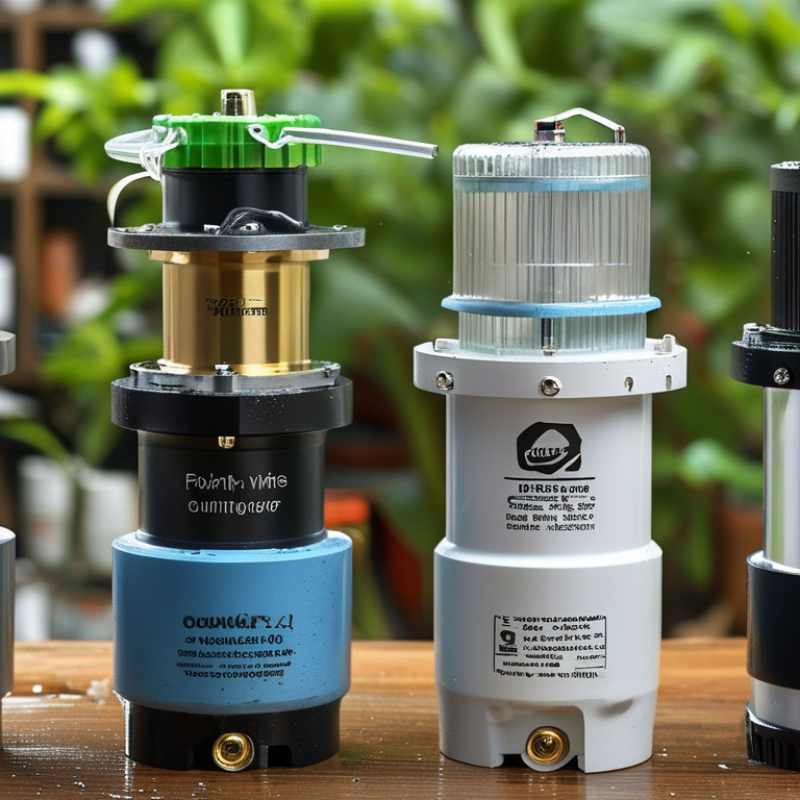
China Top Small Water Pump Manufacturers for Global Buyers?

Types of Small Water Pumps Made in China

China’s small water pump manufacturers produce several designs for global buyers. Submersible pumps sit inside tanks, wells, and drainage pits. They are practical when space is limited. A compact centrifugal pump works above the water source and moves clean water quickly. It suits garden irrigation, circulation systems, and small building supplies.

Diaphragm pumps use flexible membranes and valves. They handle intermittent flow and can support spraying, dosing, or pressurized water delivery. Self-priming models are useful when air may enter the suction line. Brushless DC pumps reduce maintenance and often fit solar, battery, aquarium, and portable cooling equipment. Some low-voltage pumps are quiet, but their output may drop sharply with long cables.

Specifications need careful checking. Rated flow is usually measured without meaningful lifting height. A pump listed at 30 liters per minute may deliver far less at three meters. Ask for a performance curve, power details, inlet size, noise data, and continuous-duty limits. During sourcing, buyers should request sample testing with their actual hose length and water temperature. Materials matter too. Stainless steel, reinforced plastic, and ceramic components behave differently in harsh environments. A cheaper housing can look acceptable, yet fail after repeated cycling. I have found that choosing by price alone is an easy mistake. The right type depends on pressure, fluid cleanliness, voltage stability, and installation conditions. Manufacturer inspection records, leak tests, and traceable production information also help reduce uncertainty.

Key Factors for Comparing Chinese Pump Manufacturers

Global buyers comparing Chinese small water pump manufacturers should examine evidence, not polished catalogs. UN-Water’s World Water Development Report 2024 states that 2.2 billion people lacked safely managed drinking water in 2022. This pressure increases demand for reliable, compact pumping equipment. However, low purchase prices do not prove long-term value. Ask for test curves, flow-rate tolerances, motor efficiency data, and continuous-duty performance at realistic head levels.

Factory comparison should begin with production control. Check whether the manufacturer maintains ISO 9001 procedures and tests each batch for insulation, leakage, noise, and vibration. ISO 9906 provides a useful reference for pump performance verification. The International Energy Agency reports that motor-driven systems consume more than half of global electricity, making efficiency a serious operating-cost issue. A pump using 80 watts instead of 100 watts may appear insignificant, but thousands of operating hours change the calculation. Verify the measurement conditions.

Compliance documents also need careful review. CE, RoHS, or other certificates should match the exact model, voltage, materials, and production site. Request serial-number traceability and sample inspection before shipment. Supplier audits should include winding rooms, seal assembly, spare-part storage, and final testing benches. A factory may pass a video audit yet fail consistency during peak production. That uncomfortable possibility deserves attention. Buyers should compare warranty terms, replacement seals, response times, and documented failure rates, not only unit prices. Small omissions often become expensive after installation.

Key Factors for Comparing Chinese Small Water Pump Manufacturers

This normalized 100-point evaluation framework reflects common priorities used by global buyers when comparing small water pump suppliers. It is not a company-specific performance ranking.

How to use the chart: Give each manufacturer a score for every factor, then apply these weightings to compare product suitability, compliance readiness, supply reliability, and long-term purchasing value.

Leading Chinese Small Water Pump Manufacturers for Export

China’s leading small water pump manufacturers for export combine compact design with practical production experience. They supply pumps for household water transfer, irrigation, drainage, and light industrial use. Export buyers should examine head, flow rate, voltage, seal materials, and duty cycle. A small pump may look similar, yet its performance can differ sharply under real pipe resistance.

The International Energy Agency reports that electric motor systems use about 50% of global electricity. Pumping efficiency therefore deserves serious attention, even for compact equipment. The World Bank also highlights continuing investment needs in water infrastructure, especially in developing markets.

Chinese manufacturers often support OEM customization, multilingual documentation, and batch testing. However, certificates alone do not prove field reliability. Ask for test curves, noise data, insulation ratings, and sample units before placing a large order. I have seen buyers focus on purchase price and overlook replacement seals, wiring standards, or after-sales response time. That choice can become expensive.

Tips: Match the pump to the water, not only the application name. Request a performance test at your required voltage and frequency. Confirm packaging against long-distance moisture exposure. Check whether spare parts are available for three to five years.

A cheaper pump is not always cheaper. According to the U.S. Department of Energy, correctly sized pumping systems can reduce energy waste, but poor sizing remains common. Leave room for honest review; supplier claims still need independent verification.

Quality Standards and Customization Options for Global Buyers

Global buyers evaluating small water pump manufacturers in China should examine quality systems, not only catalog prices. A reliable supplier can provide traceable material records, production inspection reports, and batch test results. Relevant requirements may include IEC safety standards, CE documentation for applicable European markets, and RoHS material controls. Requirements differ by destination, so certificates must match the actual pump model.

In practical sourcing, performance testing matters more than polished documents. Each sample should be checked for flow rate, head pressure, power consumption, leakage, vibration, and operating temperature. An endurance test can reveal seal wear or motor heating that a short factory demonstration misses. Ask for a clear performance curve.

Small details matter.

Customization may cover voltage, frequency, cable length, connector type, impeller design, housing material, and float-switch control. Buyers can also request quieter motors, corrosion-resistant components, special inlet sizes, or packaging suited to humid storage. A competent engineering team should confirm drawings before mass production and approve a pre-production sample.

However, customization increases risk. A new impeller can change current consumption. A longer cable may create voltage loss. One overlooked tolerance can reduce output. This is where some projects become expensive. Suppliers should document design changes, inspect critical dimensions, and repeat safety testing after modification. Buyers should also verify factory capacity, communication speed, warranty terms, and spare-parts support before placing a large order. Quality is not a single certificate; it is a repeatable process that survives real operating conditions.

How to Select and Purchase from a Chinese Pump Supplier

China Top Small Water Pump Manufacturers for Global Buyers?

When selecting a Chinese pump supplier, begin with your operating conditions, not the catalog. Record flow rate, total head, water temperature, voltage, duty cycle, and installation height. A compact pump may look efficient, yet fail under continuous use. The U.S. Department of Energy reports that pumping systems can represent about 25% of industrial electricity use. Efficiency deserves attention.

Request a complete datasheet, performance curve, motor rating, materials list, noise level, and protection class. Ask whether testing follows ISO 9906 or an equivalent procedure. Request a sample unit before placing a large order. Measure flow and pressure independently. Also check factory capacity, quality records, export experience, spare-part availability, packaging, and warranty response times. A low minimum order quantity is useful, but it does not prove reliability.

Inspect the supplier’s legal company details and production site through verifiable documents or an independent audit. Confirm payment terms, inspection points, shipping responsibilities, and written acceptance criteria. WHO and UNICEF’s 2023 Joint Monitoring Programme reported that 2.2 billion people lacked safely managed drinking water services, showing why dependable equipment matters. My checklist is not perfect. Real water conditions often expose assumptions that laboratory tests miss. Ask for corrosion data when pumping hard, dirty, or slightly saline water. Small details matter.

FAQS

What quality records should a small pump supplier provide?

Request material records, inspection reports, batch test results, and model-specific safety documents. A certificate alone is not enough.

Which performance tests should buyers conduct on a sample pump?

Measure flow rate, head pressure, power use, leakage, vibration, and operating temperature. A short demonstration can miss seal wear.

Why is a performance curve important?

It shows how flow changes under different pressure conditions. Compare the curve with independent sample measurements.

What operating details should buyers define before selecting a pump?

Record flow, total head, water temperature, voltage, duty cycle, and installation height. Catalog appearance can mislead.

What customization options are commonly available?

Options may include voltage, frequency, cable length, connectors, impellers, housings, and float-switch control. Quieter motors may also be possible.

What risks can customization create?

A new impeller may increase current consumption. A longer cable can cause voltage loss. Small tolerance errors may reduce output.

How should customized designs be approved before mass production?

Confirm drawings, inspect critical dimensions, and approve a pre-production sample. Repeat safety testing after modifications.

What should buyers check beyond product performance?

Verify factory capacity, communication speed, warranty terms, spare parts, packaging, and shipping responsibilities. Fast replies do not prove reliability.

How can buyers evaluate a supplier’s factory and business details?

Check verifiable company records, production-site evidence, quality history, and independent audit options. Review written acceptance criteria before payment.

What water conditions deserve extra attention?

Ask for corrosion data when pumping hard, dirty, warm, or slightly saline water. Real conditions may defeat laboratory assumptions. My checklist is not perfect.

Conclusion

China has become a major source of Small Water Pump solutions for global buyers, offering a wide range of products such as submersible pumps, diaphragm pumps, centrifugal pumps, booster pumps, and solar-powered models. When comparing Chinese manufacturers, buyers should evaluate flow rate, head lift, power efficiency, materials, durability, production capacity, quality control, export experience, and after-sales support. The most reliable suppliers typically combine modern manufacturing equipment with consistent testing procedures and flexible production capabilities.

For international projects, Chinese pump manufacturers can provide customization in voltage, power, inlet and outlet sizes, materials, packaging, labeling, and application-specific designs. Buyers should confirm compliance with relevant quality and safety standards, request product samples and technical documents, and review inspection reports before placing an order. A clear purchasing process should also cover minimum order quantities, pricing, lead times, warranty terms, payment conditions, shipping arrangements, and communication procedures. Careful supplier evaluation and detailed specifications can help global buyers achieve dependable performance, stable quality, and cost-effective procurement.


Liam

Liam

Liam is a dedicated marketing professional with a profound expertise in the industry, where he excels at highlighting the unique advantages of our core products. With a keen understanding of market trends and consumer needs, Liam frequently updates our company’s professional blog, providing......