What Are the Top Types of Car Heaters?

Time:2026-11-16 Author:Liam
0%

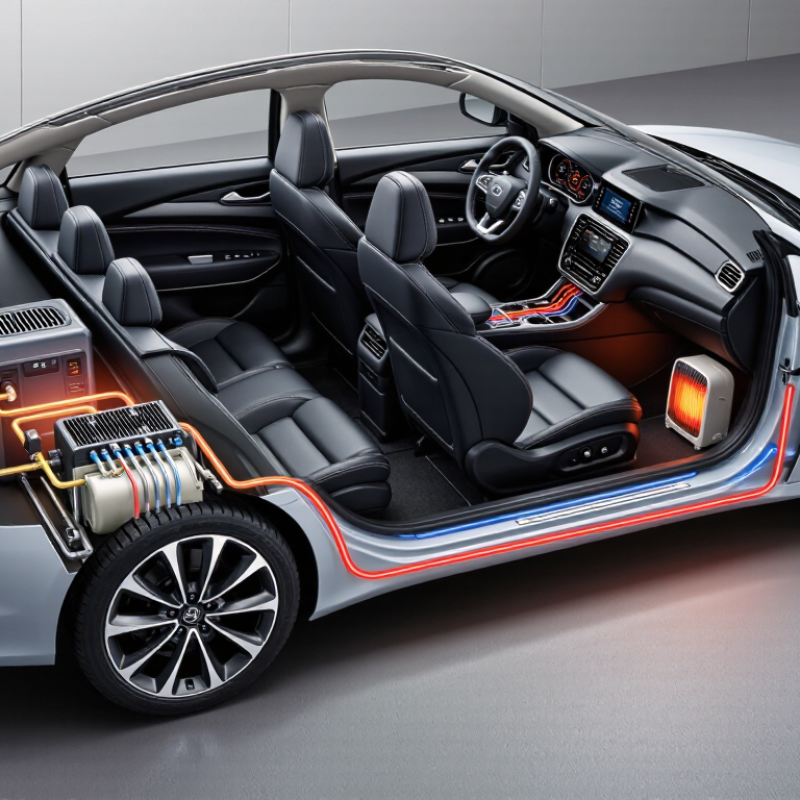
What makes one Car Heater better than another? The answer depends on the vehicle, the power source, and how quickly you need warmth. A conventional cabin heater uses heat from the engine’s coolant. It can warm the cabin effectively, but usually needs the engine to reach operating temperature first. An electric PTC heater can provide heat sooner, while heated seats and steering wheels warm the driver directly. They feel useful on a frosty morning, though they do not heat the whole cabin.

Automotive educator John Kelly of Weber State University is a useful technical reference for understanding vehicle systems. A practical principle for comparing heaters is: “Match the heat source to the vehicle and the way it is used.” This is a summary, not a verbatim quotation from Kelly. That distinction matters; product claims should be checked against the vehicle manual and manufacturer specifications.

This guide compares common Car Heater types, including factory-installed systems, auxiliary diesel heaters, and plug-in or portable options. Each has trade-offs. Engine-based systems depend on engine heat; electric systems draw from the vehicle’s electrical supply; auxiliary units may need professional installation. Small details matter: a heater’s wattage, warm-up time, controls, and compatibility can change the experience. A warm seat is not the same as a warm cabin. And a high output number alone does not guarantee comfort. The comparisons ahead focus on how each type works, where it fits, and what to check before choosing one. One caveat: names and product categories can vary by market, so verify the specifications for your exact vehicle.
What Are the Top Types of Car Heaters?

Engine-Coolant Heaters: The Standard System in Gas-Powered Cars

What Are the Top Types of Car Heaters?

Engine-Coolant Heaters: The Standard System in Gas-Powered Cars

In most gasoline cars, the cabin heater uses heat from the engine’s coolant. As the engine runs, it warms the coolant, which flows through a small radiator-like part called the heater core. A fan pushes cabin air across the warm core and through the vents. Simple, but not instant. On a cold morning, the air may stay cool until the engine warms up. It is easy to assume the heater is broken when this happens, though a short delay is often normal.

The system also helps manage engine temperature. A thermostat regulates coolant flow, while the fan speed and temperature controls adjust how much warm air enters the cabin. If the vents remain cold after a normal drive, or the temperature gauge behaves unusually, low coolant or another fault may be involved. These symptoms do not identify one definite cause; a technician can inspect the system safely.

Tips: Check coolant only when the engine is fully cool. Never open a hot radiator or coolant reservoir cap; pressurized fluid can cause burns. If you notice a sweet smell, fogged windows, or damp carpet, arrange an inspection. Small leaks can be easy to miss.

What Are the Top Types of Car Heaters?

Engine-Coolant Heaters: The Standard System in Gas-Powered Cars

The chart compares each heater’s primary mechanism: conventional gas-powered cars typically circulate warmed engine coolant through a cabin heater core, while other systems generate heat electrically, burn fuel in an auxiliary heater, or transfer heat from outside air. “Yes” indicates that the mechanism is used; “No” indicates that it is not the system’s primary method.

Electric PTC Heaters: Quick Cabin Heat Without Engine Warm-Up

Electric PTC heaters warm the cabin using electricity rather than waiting for a cold engine to reach operating temperature. Inside the unit, a ceramic heating element raises the temperature of passing air. Turn on the fan, and warm air can reach your hands and windshield quickly. It feels immediate. On a frosty morning, that can make the first few minutes more comfortable.

The available heat depends on the vehicle’s electrical system. In many electric and hybrid vehicles, the heating system is designed to draw substantial power from the traction battery. A small plug-in heater in a conventional car is different: its output may be modest, and prolonged use can strain the battery or exceed an accessory socket’s rating. Check the vehicle manual and the heater’s specifications before use. A PTC heater can help clear a lightly misted window, but it should not replace the vehicle’s proper defrost system when visibility is poor.

There is a trade-off that is easy to overlook. Cabin heat uses energy, which may reduce an electric vehicle’s driving range in cold weather. I also find that “quick heat” can sound more powerful than it really is; airflow, cabin size, and outside temperature matter. Watch whether the air reaches the glass evenly, not just your feet. The details vary.

Fuel-Fired Heaters: Independent Heating While the Car Is Parked

Fuel-fired heaters warm the cabin using a small amount of vehicle fuel, without requiring the engine to run. Depending on the design, a separate combustion unit heats cabin air or engine coolant. This can make a parked winter break more comfortable. Quiet, steady warmth. Installation quality matters: fuel lines, electrical connections, and exhaust routing should follow the heater and vehicle instructions. Keep the exhaust outlet clear of doors, windows, and air intakes. Never operate the heater in a closed garage.

Tips: Test the heater outdoors before a winter trip. Check for warning lights, unusual smells, or visible damage. Clear snow from the intake and exhaust, and follow the recommended service schedule. A small blockage can have consequences.

These heaters may draw battery power for their controls and fans, so a weak battery can affect operation. Fuel use and warm-up time vary with weather and vehicle layout. A timer can be convenient, but it does not replace checking the surroundings. The trade-off is easy to overlook: added comfort also means components that need regular inspection.

Heat-Pump Systems: Energy-Efficient Heating for Electric Vehicles

Heat-pump systems move heat instead of producing all of it with electrical resistance. In an electric vehicle, a refrigerant loop can draw warmth from outside air and, in some designs, recover heat from the motor or battery. A compressor raises the refrigerant’s pressure and temperature, while a heat exchanger transfers warmth to cabin air. Cold starts can feel slower. Yet in moderate cold, a heat pump may use less battery energy for cabin heating than a resistance heater.

Efficiency is not constant. When outdoor temperatures drop sharply, there is less heat available to collect, and the system may work harder. Moisture can freeze on an outdoor heat exchanger, triggering a defrost cycle that temporarily changes heating performance. Some vehicles add a resistance heater for very cold conditions or fast windshield defogging. That backup draws more power. Preheating the cabin while the vehicle is plugged in can preserve more driving range for the trip. Heat-pump hardware also adds complexity, and its advantage depends on climate, trip length, and how often the cabin needs heating. A single cold commute may not reveal the whole picture.

How Car Heater Types Differ in Power, Efficiency, and Use

Most cars use engine-coolant heaters: warm coolant flows through a small radiator behind the dashboard, and a fan sends heat into the cabin. Their output rises as the engine warms, so a cold start can mean several chilly minutes. They use little extra fuel once the engine is running, since the system recovers heat the engine would otherwise release. That takes time.

Electric resistance heaters produce warmth quickly by passing current through heating elements. In electric cars, they draw power from the main battery, which can reduce driving range, especially in freezing weather. A heat pump moves existing heat rather than generating all of it directly, so it often uses less energy in mild or moderately cold conditions. Its efficiency can fall in severe cold, and the system may need supplemental heating.

Fuel-fired auxiliary heaters burn a small amount of fuel to warm the cabin or coolant, even before the engine reaches operating temperature. They can be useful for frequent cold starts, but add mechanical complexity and require proper installation and maintenance. Small 12-volt plug-in heaters are simpler, yet their limited electrical supply usually makes them better for modest spot heating than warming an entire cabin. The trade-off is easy to overlook: fast heat, lower energy use, and simple operation rarely come together in one system.

FAQS

How does an electric PTC heater warm a vehicle cabin?

A ceramic element heats passing air. The fan then sends warm air toward your hands and windshield.

Does a PTC heater provide instant, powerful heat?

It can feel quick on a frosty morning. Actual warmth depends on airflow, cabin size, and outdoor temperature.

Can a small plug-in heater run for a long time?

Its output may be modest. Check the vehicle manual and heater specifications, since extended use can strain the battery or socket.

Can a PTC heater replace the vehicle’s defrost system?

No. It may help clear light mist, but poor visibility calls for the proper defrost system.

Does cabin heating reduce electric vehicle driving range?

It can. Heating uses battery energy, so cold-weather trips may cover less distance. The effect varies.

How does a heat-pump system warm the cabin?

It moves heat through a refrigerant loop. Some designs also recover warmth from the motor or battery.

Is a heat pump always more efficient in cold weather?

No. In moderate cold, it may use less energy than resistance heating. At very low temperatures, performance can drop.

Why might heat-pump performance change during a trip?

Frost can form on the outdoor heat exchanger, prompting a defrost cycle. Heating may briefly change. Small detail, but noticeable.

Can preheating help preserve driving range?

Preheating while plugged in can save more battery energy for the trip. A single commute may not tell the whole story.

Conclusion

A Car Heater can work in several ways, depending on the vehicle’s power source and how quickly warmth is needed. In many gasoline-powered cars, the standard system uses heat from engine coolant to warm air for the cabin. Electric PTC heaters provide heat directly and can warm the interior without waiting for the engine to reach operating temperature. Fuel-fired heaters operate independently of the engine, allowing the cabin to be heated while the car is parked.

Electric vehicles may use heat pumps, which move heat rather than relying only on direct electric heating, helping reduce energy use in suitable conditions. These systems differ in their energy source, heating speed, efficiency, and ability to operate when the vehicle is off. Understanding these trade-offs can help drivers choose the type of heating that best fits their vehicle, climate, and everyday needs.


Liam

Liam

Liam is a dedicated marketing professional with a profound expertise in the industry, where he excels at highlighting the unique advantages of our core products. With a keen understanding of market trends and consumer needs, Liam frequently updates our company’s professional blog, providing......