What Is a Water Heater Element and How Does It Work?

Time:2026-11-23 Author:Charlotte
0%

A hot shower depends on a quiet process inside the water heater tank. In an electric model, the Water Heater Element is a metal component that sits in the water and produces heat. You may never see it during daily use, but its work becomes noticeable when the tap runs cold. As electricity passes through the element’s resistive material, it converts electrical energy into heat. The surrounding water warms, then rises through the tank. Simple idea. The exact arrangement can vary by heater model, so the owner’s manual is useful.

Many household tanks have upper and lower elements, each controlled by a thermostat. In common designs, the upper element heats water near the top first; the lower element then helps warm the rest of the tank. That sequence supports a supply of hot water, though it can take time after heavy use. A worn element may contribute to slow heating or insufficient hot water, but those symptoms can have other causes too. It is easy to blame one part too quickly. This guide explains what the element does, how it works with the thermostat, and what signs may point to a problem. Electrical checks require care: switch off power at the breaker and follow the manufacturer’s instructions, or ask a qualified technician if you are unsure.
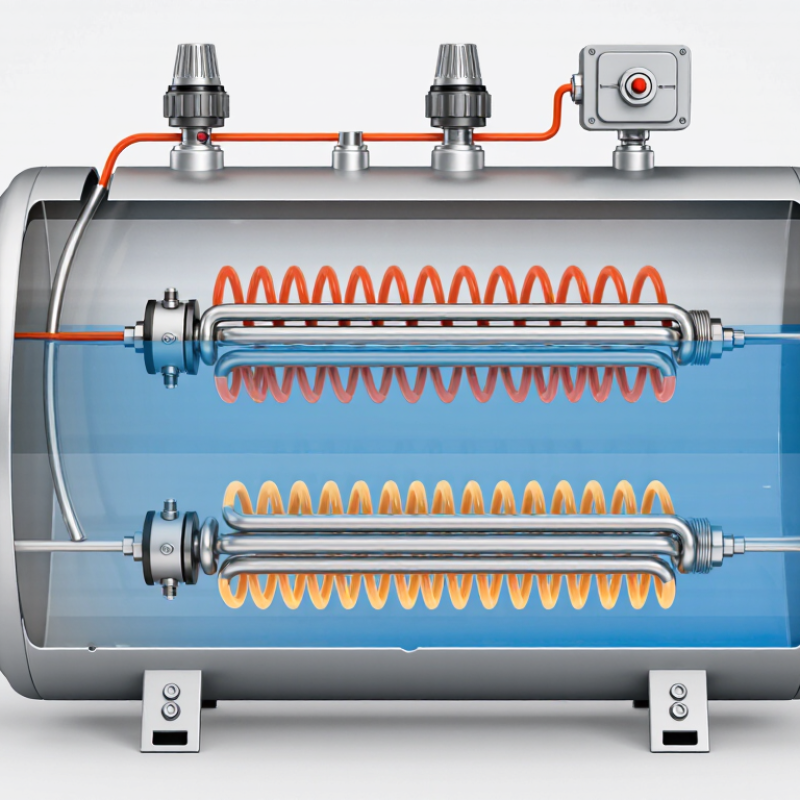
What Is a Water Heater Element and How Does It Work?

What a Water Heater Element Is

A water heater element is an electrical resistance heater installed inside many storage-tank water heaters. It converts electrical energy into heat. Picture a short metal rod extending into the tank; beneath its protective sheath is a resistance wire that warms when current flows. Heat passes through the sheath and into the surrounding water. Simple in principle. Many tanks use upper and lower elements, controlled by thermostats that switch them on as water cools. Designs vary, though, so one layout does not fit every heater.

The U.S. Department of Energy’s Energy Saver estimates that water heating accounts for about 18% of household energy use. That makes the element more than a small part tucked out of sight. Mineral scale can collect on its surface, slowing heat transfer and sometimes causing popping sounds as trapped water heats. I used to think a weak element always meant no hot water; that is not quite right. In a two-element tank, one may fail while the other still heats some water. A technician can check an element’s electrical continuity after safely isolating power, rather than guessing from the water temperature alone.

The Main Parts of a Water Heater Element

The Main Parts of a Water Heater Element

A typical electric water heater element has a resistance coil, a metal sheath, and electrical terminals. The coil sits inside the sheath and carries current. Its resistance turns electrical energy into heat. Simple, but precise. The sheath transfers that heat to the surrounding water while keeping the live coil separated from it. Many elements use compacted magnesium oxide powder between the coil and sheath. This powder conducts heat well and provides electrical insulation. If the sheath corrodes or cracks, the element may fail or trip a safety device.

At the end of the element, terminals connect wiring to the coil. A mounting flange or threaded base holds the assembly against the tank, usually with a gasket to help prevent leaks. That small seal deserves attention. A loose connection can overheat, while a damaged gasket can leave a slow drip near the access panel. The thermostat is a separate component, though it works closely with the element by switching power as water temperature changes. Designs vary by tank, so appearance alone is not a reliable way to identify a replacement. It is worth checking the element’s rating and fitting before removal; I would not assume two similar-looking parts are interchangeable.

What Is a Water Heater Element and How Does It Work?

An electric water heater element is a resistance heater immersed in the tank. Its internal coil converts electrical energy into heat, and its metal sheath transfers that heat to the surrounding water.

Main parts: The resistance coil produces heat; the metal sheath carries heat into the water; and the terminals and insulating material connect and electrically isolate the element. The wattages shown are common nominal ratings, not a measure of heating time, which also depends on tank size and other conditions.

How an Electric Element Produces Heat

A water heater element is a sealed metal tube containing a resistance wire. When electricity passes through the wire, electrical resistance turns energy into heat. The tube transfers that heat directly to the surrounding water. It is a simple process. A thermostat switches the element on when the tank cools, then cuts power near the set temperature.

In a typical tank, the lower element heats incoming cold water first. As warmer water rises, circulation helps spread heat through the tank. The U.S. Department of Energy explains that electric resistance heating converts nearly all incoming electricity into heat at the point of use. That does not mean the whole system has no losses: heat can escape through the tank walls and pipes.

The details matter. Mineral scale can coat an element, slowing heat transfer and sometimes causing noise or early failure. DOE’s Energy Saver guidance estimates that water heating accounts for about 14–18% of household utility costs, though actual use varies by home. A hotter thermostat setting may increase losses; a lower one may not suit every household. Real tanks are less tidy than diagrams. Regular inspection can reveal trouble, but electrical checks should be left to a qualified technician.

What Is a Water Heater Element and How Does It Work? — How an Electric Element Produces Heat
Dimension Typical Example or Value How It Works
Purpose Heats water stored in an electric tank An immersed resistance element converts electrical energy into heat, which passes through the element’s metal sheath into the surrounding water.
Heating element construction Resistance wire, electrical insulation, and a protective metal sheath A nickel-chromium resistance wire generates heat as current flows through it. Electrical insulation, commonly magnesium oxide, separates the wire from the sheath while conducting heat outward.
Common residential rating 4,500 W at 240 V This is a common rating for residential electric storage water heaters. Actual specifications vary by heater and installation.
Current at rated voltage 18.75 A for a 4,500 W element at 240 V Calculated using current = power ÷ voltage. The calculation assumes the element is operating at its rated voltage.
Approximate resistance 12.8 Ω for a 4,500 W element at 240 V Calculated using resistance = voltage² ÷ power. The element’s resistance changes somewhat as it heats.
Other common power ratings About 3,500 W or 5,500 W at 240 V Lower- and higher-power elements may be used where the heater design and electrical supply are compatible. The heater’s rating label and instructions determine the correct replacement specification.
Temperature control Thermostat and high-limit safety control The thermostat switches power to the element to maintain the selected water temperature. A separate high-limit control can interrupt power if the water becomes excessively hot.
Heating cycle Power on → element warms → heat transfers to water → thermostat switches off When the water cools below the thermostat setting, the circuit closes and the element heats again. In many two-element tanks, the elements operate one at a time rather than simultaneously.
Illustrative heating time Roughly 1.3 hours in an ideal calculation for 40 gallons heated from 60°F to 120°F with a 4,500 W element This estimate uses water’s heat capacity and excludes tank heat loss. Actual recovery time varies with incoming-water temperature, tank conditions, voltage, and heater design.
Important compatibility check Match voltage, wattage, mounting style, and element length to the heater Using an incompatible element can cause poor performance or damage. Electrical work should be performed with power disconnected and in accordance with the heater instructions and applicable safety codes.

How the Thermostat Controls the Element

In an electric storage water heater, the thermostat tells the heating element when to turn on and off. It senses temperature through contact with the tank wall, rather than measuring every drop of water directly. When the sensed temperature falls below the setting, the thermostat closes the circuit and sends power to the element.

Many two-element heaters use an upper and lower thermostat. The upper control typically heats the top section first, then shifts operation to the lower element, which warms the rest of the tank. This helps restore hot water after use. The exact sequence can vary by heater design, so the wiring diagram for a specific unit matters.

When the water reaches the set temperature, the thermostat opens the circuit and stops heating. That pause matters. A separate high-limit safety control can also cut power if the temperature rises too far. The system is not perfectly instantaneous: after a long shower, the tank may need time to recover, and temperature readings can lag slightly. A setting that feels comfortable in one home may seem too hot or too cool in another, depending on use and plumbing.

Common Element Types and Operating Differences

A water heater element is an electric resistance heater immersed in the tank’s water. When electricity passes through its metal sheath, the element warms the surrounding water. A thermostat switches power on and off to maintain the selected temperature. Simple in principle. In a typical dual-element tank, the upper element heats water near the top first; the lower element then heats most of the tank. Many standard models energize only one element at a time, so a failed upper element can leave you with little hot water.

Elements also differ by shape and watt density. Screw-in elements thread directly into a tank opening, while flange-style elements attach with bolts. High-watt-density elements produce more heat from a smaller surface area and are common in residential tanks. Low-watt-density elements spread similar output across a larger surface, which may help limit mineral buildup in hard water. Actual recovery time depends on wattage, tank size, and incoming water temperature—not just the element label. A chalky ring around an element can be a clue that scale is affecting heat transfer, though it is not a diagnosis by itself. Replacing an element involves electrical and scalding hazards, and tank designs vary; checking the manual or consulting a qualified technician is sensible.

FAQS

What are the main parts of an electric water heater element?

It has a resistance coil, metal sheath, electrical terminals, and a mounting base. Compact magnesium oxide powder often sits between the coil and sheath.

How does the element heat water?

Electricity passes through the resistance wire, creating heat. The metal tube transfers that heat to nearby water. A simple process.

What does the metal sheath do?

It transfers heat while separating the live coil from water. A cracked or corroded sheath can cause failure or trip a safety device.

What is the role of the thermostat?

The thermostat is separate from the element. It switches power on as water cools and cuts power near the selected temperature.

Why does the mounting gasket matter?

The gasket helps prevent leaks where the element meets the tank. A damaged seal may leave a slow drip near the access panel.

Can two similar-looking elements be interchanged?

Not necessarily. Check the element’s rating and fitting before replacement. Appearance alone can be misleading.

What can mineral scale do to an element?

Scale can coat the metal surface and slow heat transfer. It may also cause noise or early failure. The tank is not always as tidy as a diagram.

Does nearly all heating energy stay in the water?

Electric resistance turns nearly all incoming electricity into heat at the element. Still, heat can escape through tank walls and pipes.

Who should handle electrical checks?

A qualified technician should handle them. Regular inspection can reveal trouble, but it does not make electrical work simple.

Conclusion

A Water Heater Element is the electrical component that warms water inside an electric storage tank. Usually fitted through the tank wall, it consists of a metal sheath surrounding an electrically resistant wire, with insulating material between them. When electricity passes through the wire, its resistance creates heat. The sheath transfers that heat to the surrounding water while helping protect the internal conductor.

A thermostat monitors the water temperature and switches the element on when the water falls below its set point, then turns it off once the desired temperature is reached. Many electric water heaters use two elements, typically positioned at different heights, and operate them in sequence to heat the tank efficiently. Elements can also differ in shape, wattage, and construction, which affects how quickly they heat water and how they fit a particular tank. Together, the element and thermostat provide controlled, repeatable water heating.


Charlotte

Charlotte

Charlotte is a seasoned marketing professional with a deep understanding of the company's portfolio and a passion for elevating its presence in the market. With a keen eye for detail and a commitment to excellence, she ensures that our professional blog is regularly updated with insightful articles......