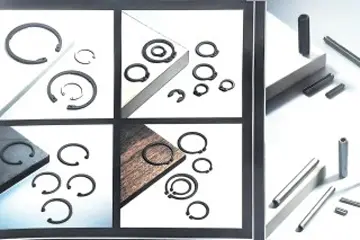
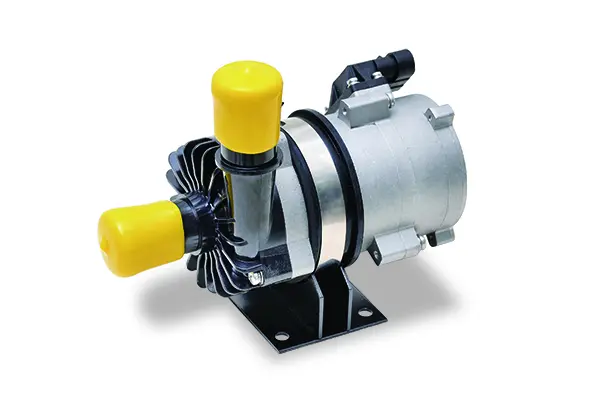
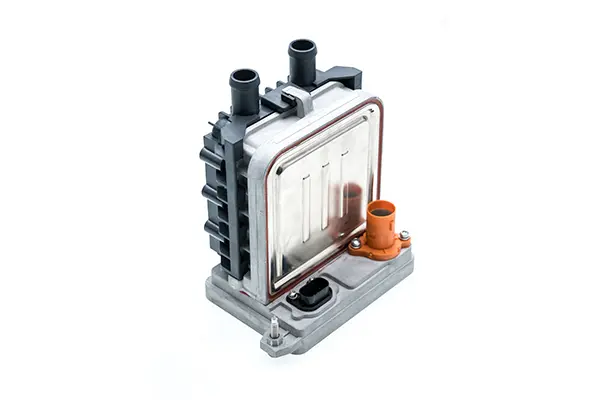
Hole retaining rings, often referred to as Internal Circlips or Bore Retaining Rings, are critical fastening components used in thousands of industrial and commercial applications worldwide. As a core element in mechanical assembly, these rings are designed to be installed into grooves within a housing or bore, creating a shoulder that securely retains components such as bearings, gears, or pulleys.
In the modern industrial landscape, the demand for CE Certified hole retaining rings has surged. The CE mark serves as a mandatory conformity mark for products placed on the market in the European Economic Area (EEA), signaling that the fasteners meet high safety, health, and environmental protection requirements. For manufacturers and suppliers, maintaining this certification is no longer optional—it is a gateway to the global supply chain, particularly in sectors where failure is not an option, such as automotive engineering and renewable energy systems.

With the rise of Electric Vehicles (EVs), there is a massive push for lightweighting. Manufacturers are moving from standard carbon steels to high-strength alloys and specialized stainless steels that offer superior strength-to-weight ratios without sacrificing the axial load capacity of the retaining ring.
Corrosion resistance is the top priority for procurement officers. Modern trends include the application of Zinc-Nickel plating and Geomet coatings, which provide over 1000 hours of salt spray resistance, essential for marine and automotive under-chassis applications.
Industry 4.0 has integrated AI-driven inspection into the production line. Every batch of CE certified retaining rings is now often tracked via digital certificates, ensuring that material composition and heat treatment cycles are fully transparent to the end buyer.
Industrial buyers from Germany, North America, and Southeast Asia are increasingly looking for "One-Stop" suppliers who can provide not just the rings, but the integrated assembly expertise.
Whether it is the Automotive sector requiring rings for transmission systems or the Pump & Valve industry needing rings that can withstand high-pressure hydraulic fluids, localization is key. As a leading manufacturer, we understand that a "one size fits all" approach doesn't work.
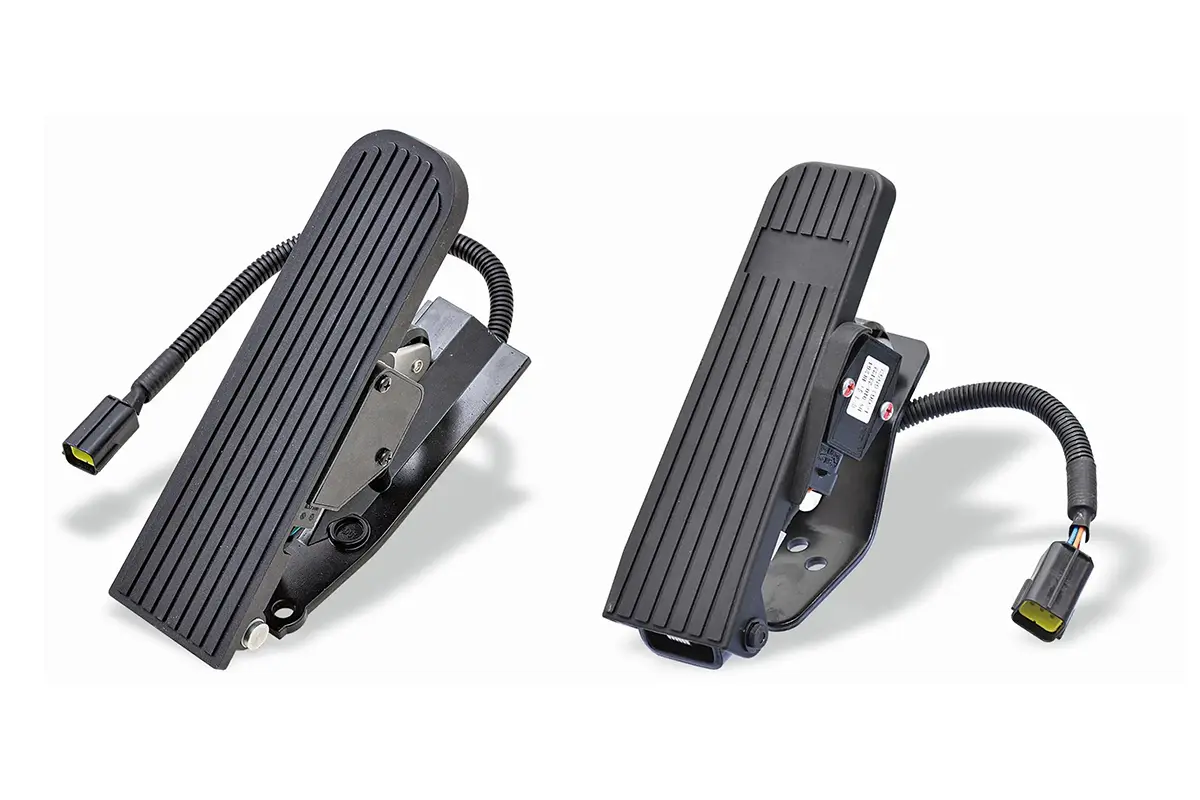
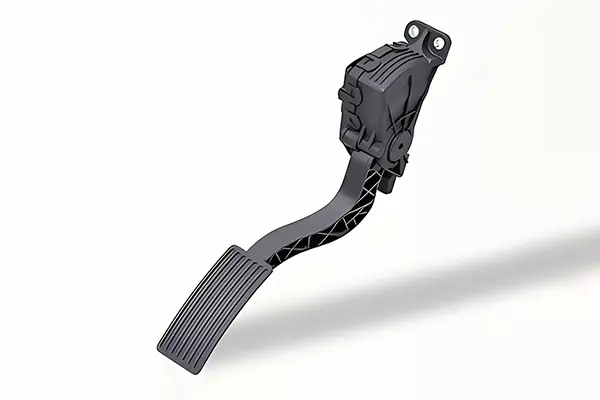
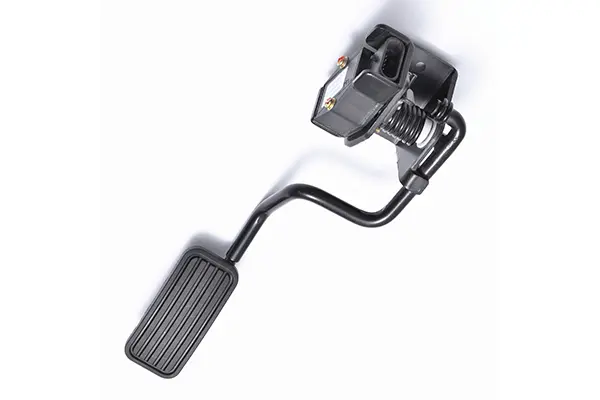
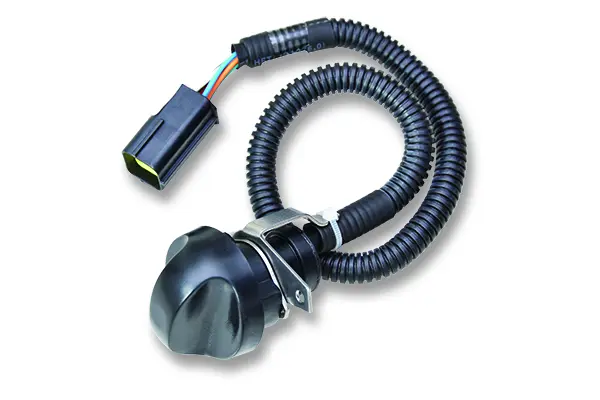
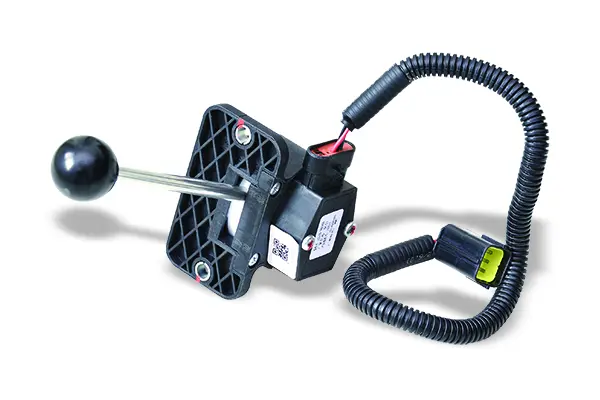
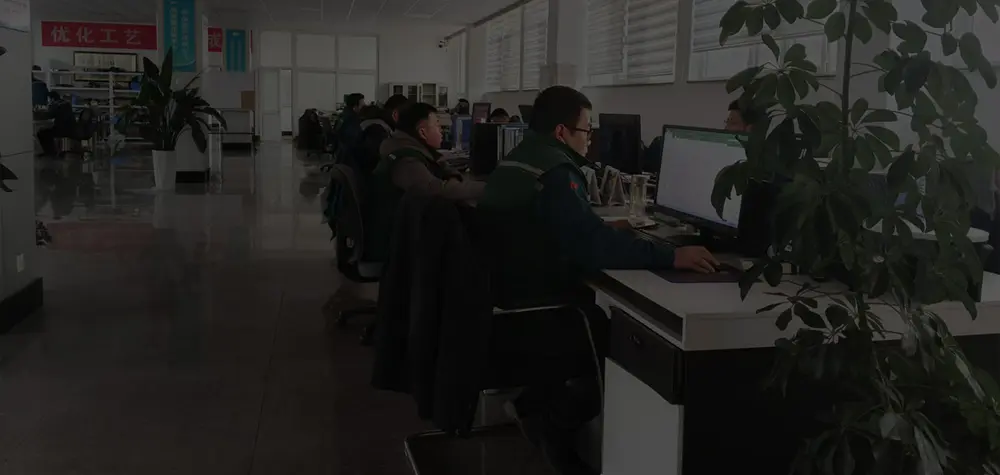
Our factory and R&D base span over 35,000 sqm. We have the capacity to produce 1.2 million electronic accelerator pedals and millions of precision stamping parts annually, ensuring stable lead times for bulk orders.
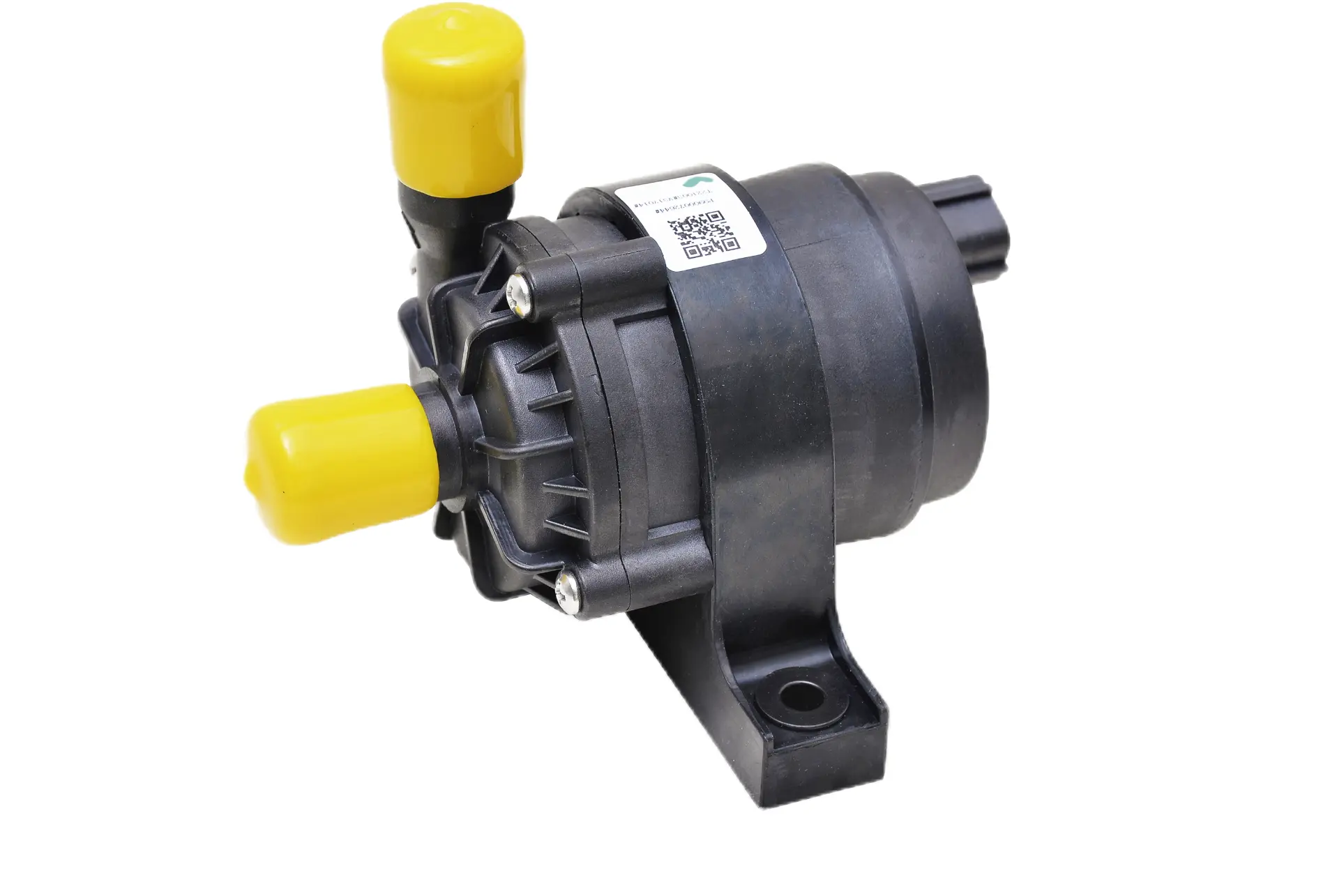
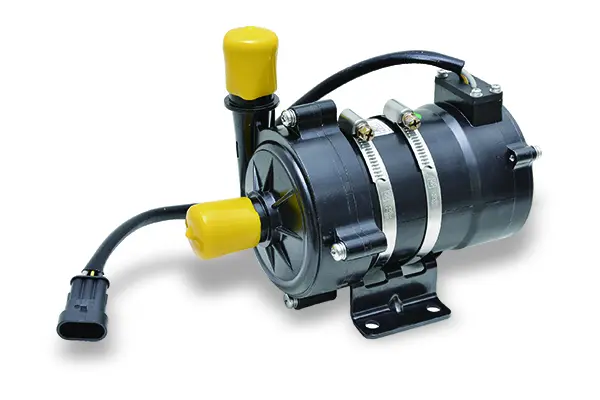
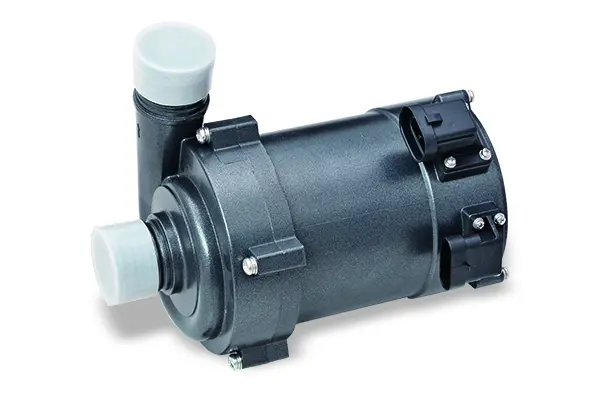
Home to the Hebei Province New Energy Vehicle Engineering Standard Laboratory. We launched China's first magnetic water pumps and high-voltage insulation monitors, proving our capability in high-barrier tech areas.
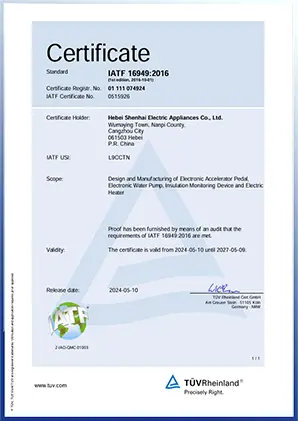
We passed ISO/TS16949 by German Rhine in 2008. Our full-process quality control meets the stringent needs of multiple global vehicle manufacturers like Geely, BAIC, and JAC.
With rich export experience, our footprint covers 47+ countries including France, Canada, Russia, and the USA. We are an exclusive partner for SANY-approved components.
Annual Export Value
Years Industry Experience
Invention Patents
Countries Served
Our CE certified hole retaining rings are manufactured primarily to DIN 472 standards, but we offer full customization for unique bore sizes. The tapered design ensures that the ring maintains constant circularity when installed, exerting uniform pressure against the groove wall.
Material Selection: We utilize high-grade Carbon Spring Steel (65Mn / C67S) and Stainless Steel (AISI 304 / 316) to ensure the rings can handle high centrifugal forces and provide long-term elastic performance.
The Stamping Advantage: Utilizing automated high-speed SMT lines and precision stamping presses, we eliminate burrs and internal stresses that could lead to premature ring failure in high-vibration environments like automotive engines.






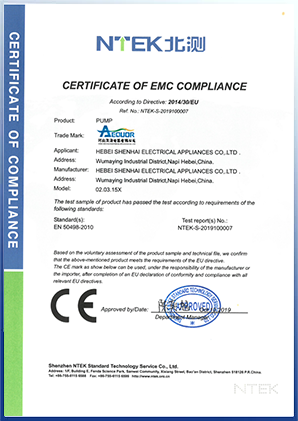
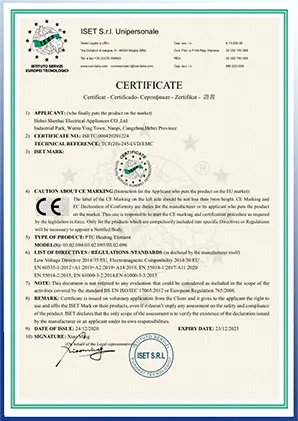
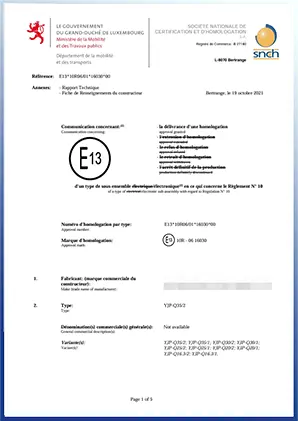
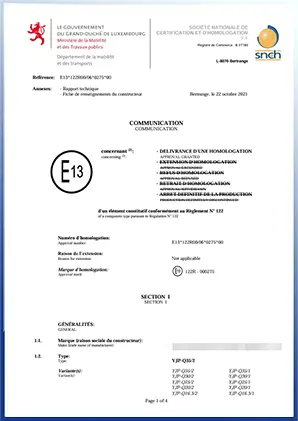
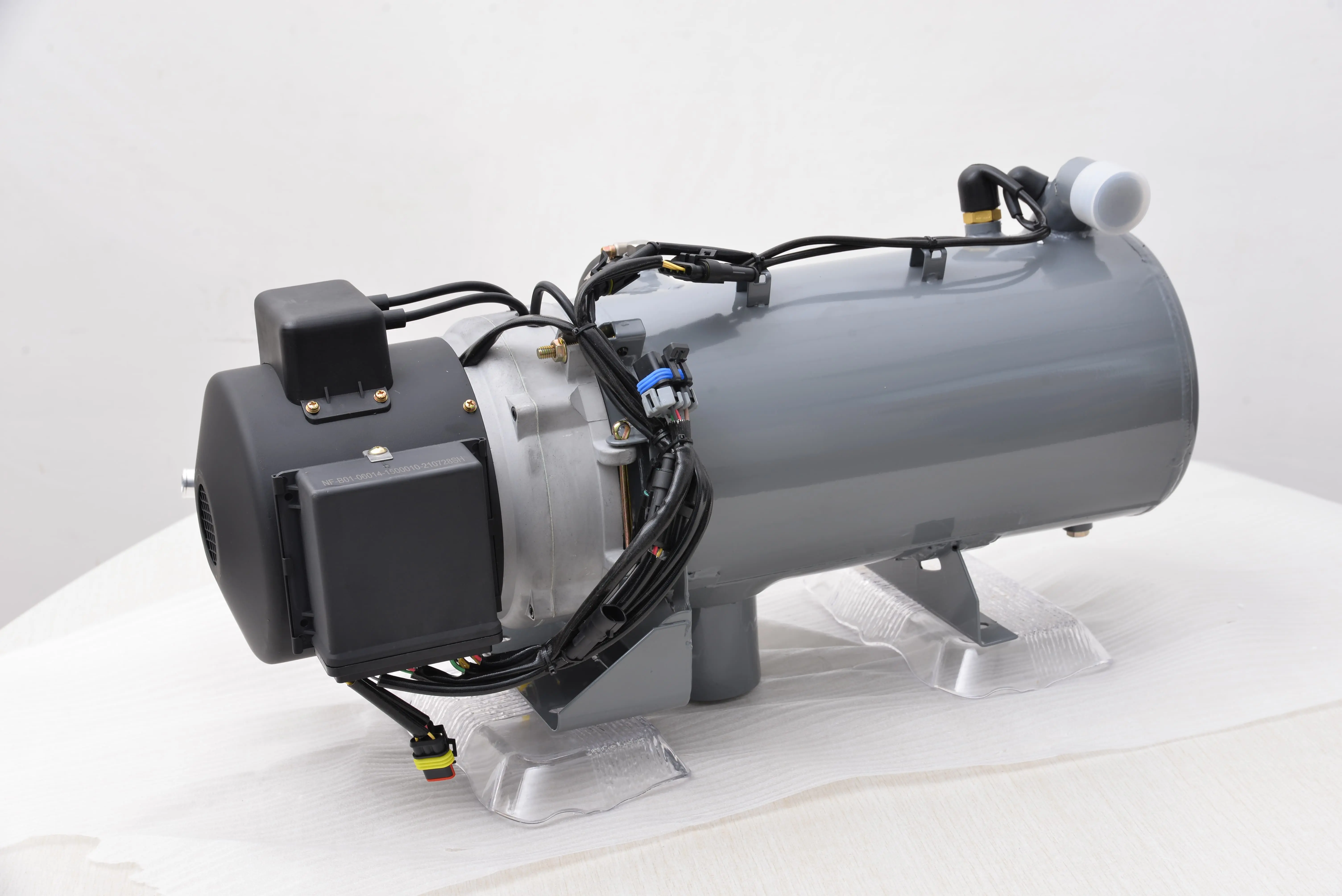
Hebei Shenhai is recognized as a core supplier for SANY. As an exclusive export partner, we provide global access to these high-quality components.
Ensuring operational safety in new energy vehicles with real-time detection of high-voltage insulation failures.
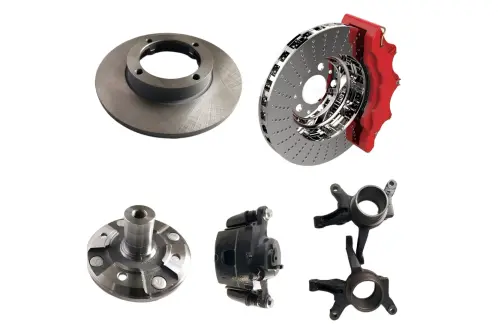
Discussing how electrification is changing brake technology and the vital role of precision retaining rings in these systems.
 ANHAN TRADE