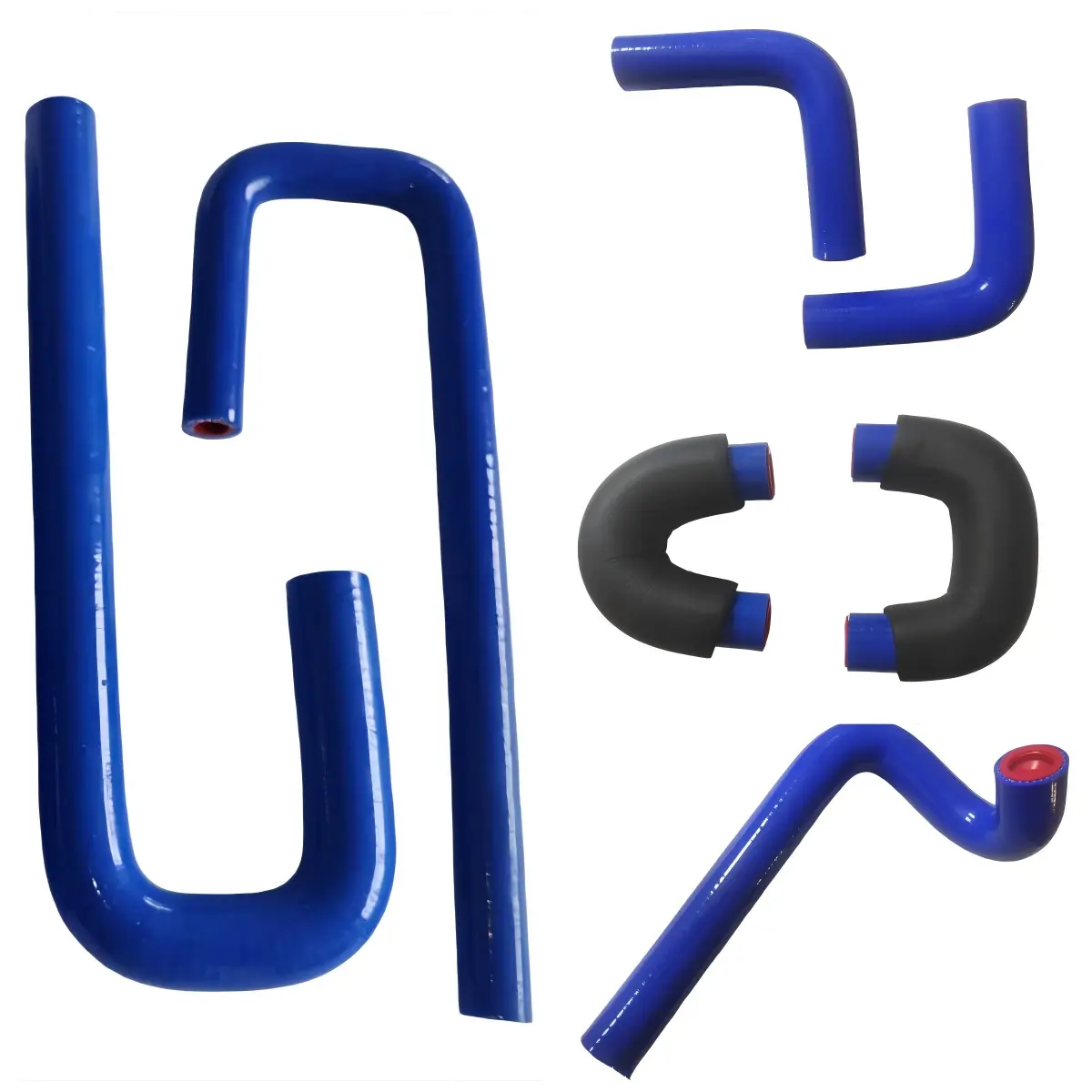
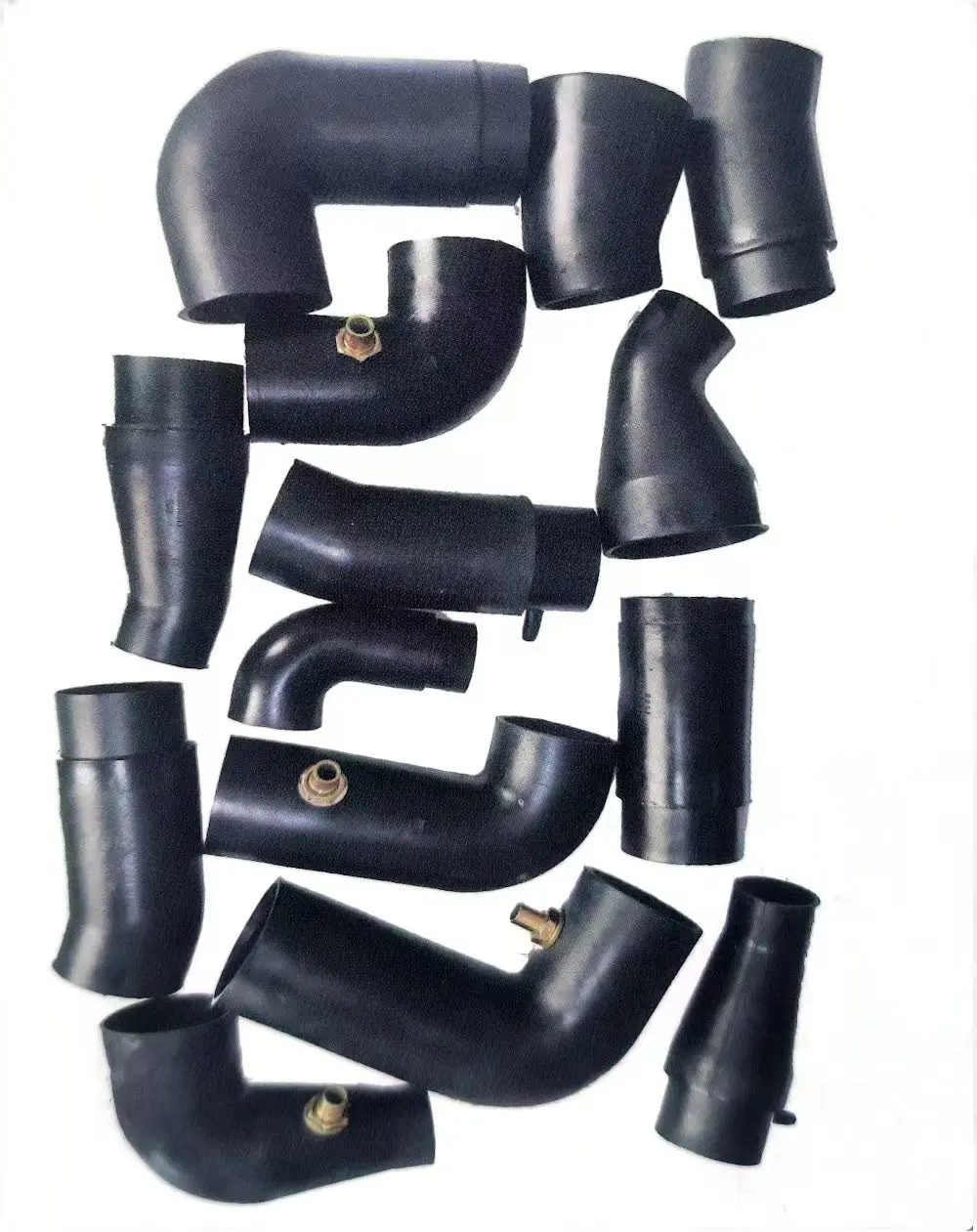
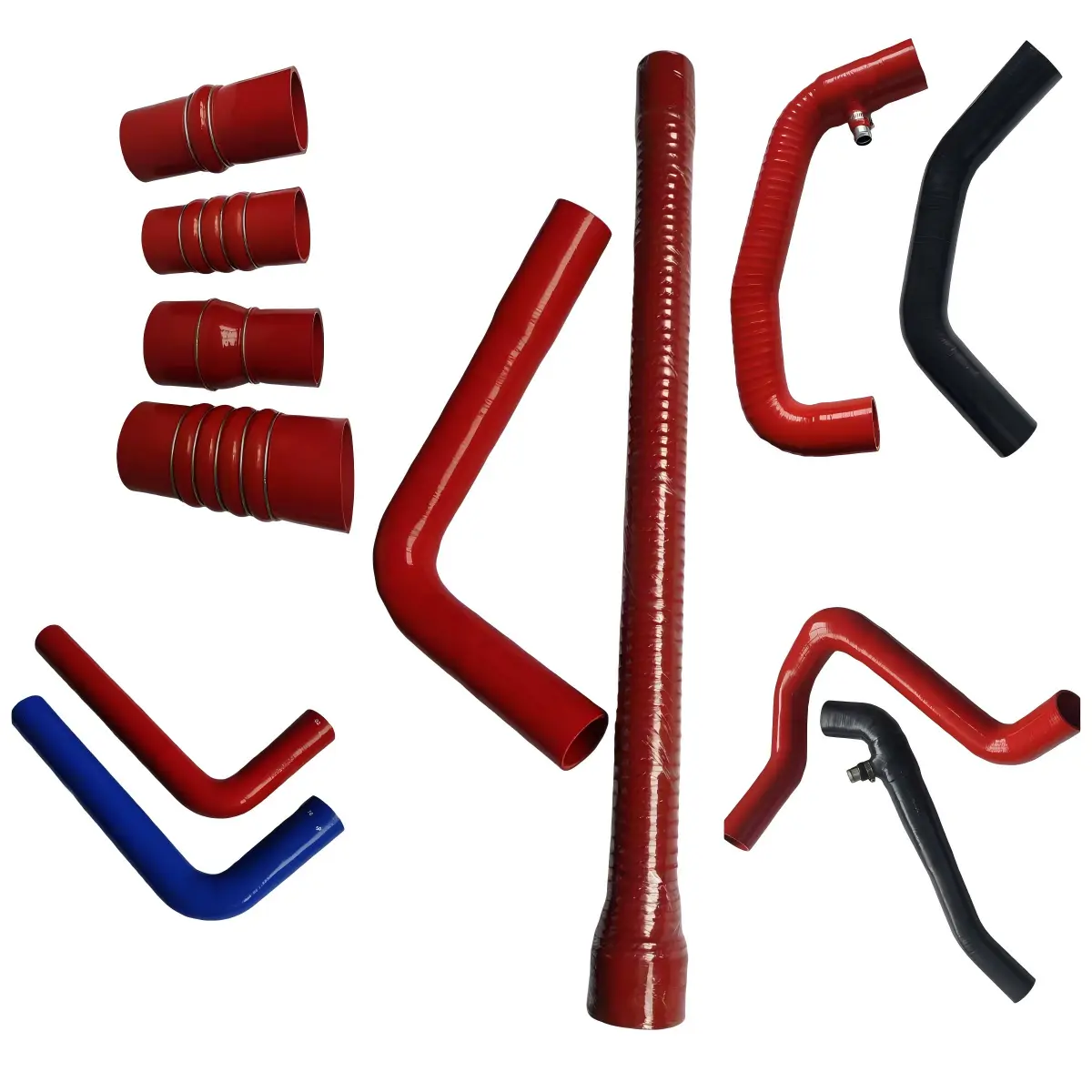
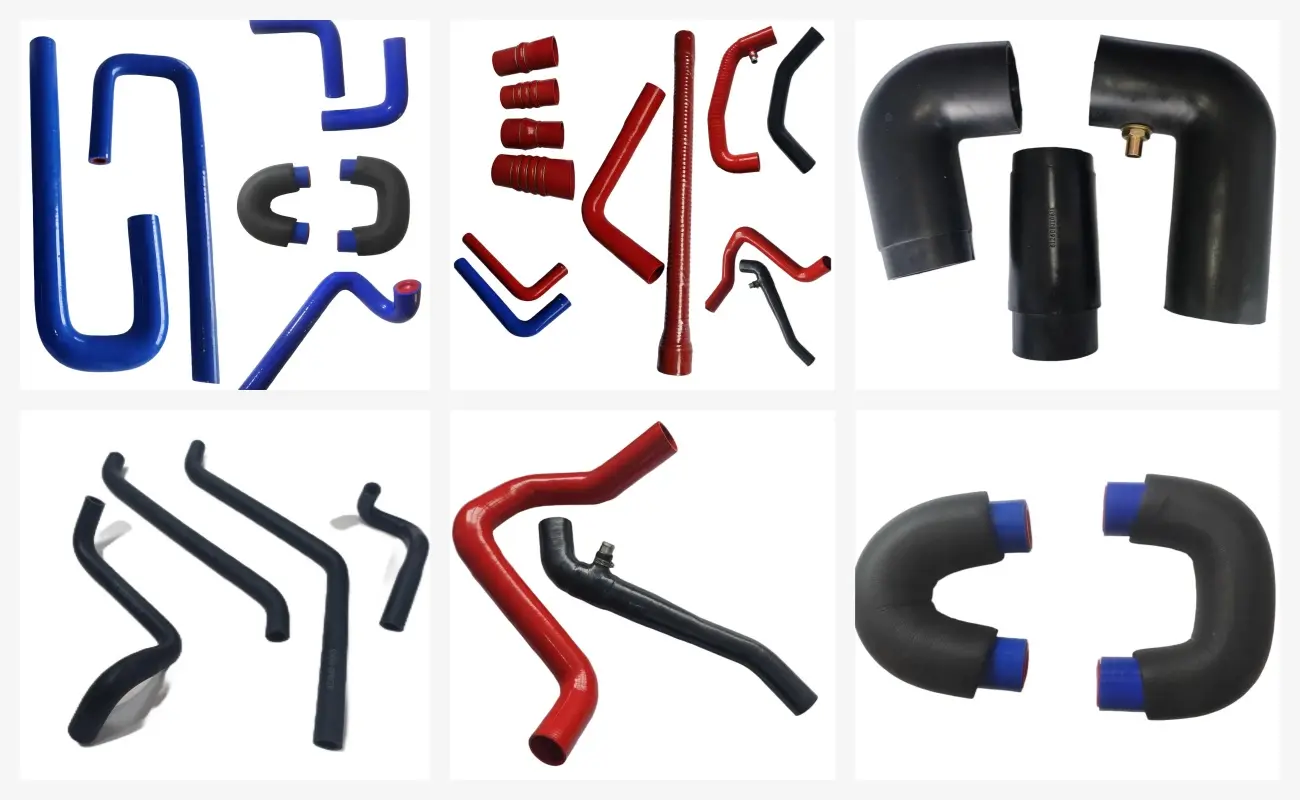
Automotive hoses are important parts in automobiles and engineering machinery equipment. Different types of hoses have their own characteristics in terms of function, material, and application scenarios. At present, the hoses that our company can supply include loader water hoses, loader oil hoses, loader boost hoses, silicone hoses, EPDM hoses, etc.
Overview: Automotive hoses are critical components in automobiles and engineering machinery. Different hose types serve specific functions based on material and application. Available supplies include loader water hoses, oil hoses, boost hoses, silicone hoses, and EPDM hoses.
Main Applications
✔Loader Water Hoses: Used in cooling systems to transport coolant (water, antifreeze), preventing engine overheating.
✔Loader Oil Hoses: Designed for hydraulic and fuel systems, ensuring stable power transmission and fuel supply for oil pumps and cylinders.
✔Loader Boost Hose: Responsible for transporting pressurized air in turbocharger systems to enhance engine power output.
✔Silicone Hose: Common in intake, exhaust, and cooling systems. Known for high temperature resistance and flexibility in complex bending environments.
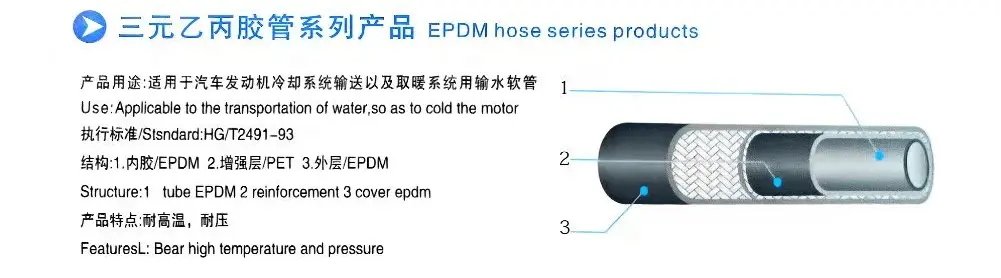
✔EPDM Hose: Primarily used in water tanks and heating pipes for air conditioning and cooling systems due to its water and steam resistance.
Materials and Characteristics
Loader Water Pipe: Made of CR or EPDM; temperature resistance (-40℃~120℃); resistant to coolant additives.
Loader Oil Pipe: Nitrile rubber (NBR) inner layer for oil resistance; outer layer of CR/EPDM for wear resistance. Can include braided steel wire for high pressure.
Loader Boost Pipe: Silicone or TPE material; handles temperatures from -60℃ to 200℃; fiber reinforcement prevents deformation.
Silicone Hose: Wide range (-60℃~250℃); ozone/aging resistant; non-toxic and odorless.
EPDM Hose: Outstanding weather resistance; handles -50℃~150℃; ideal for non-oily media like steam and acid/alkali.
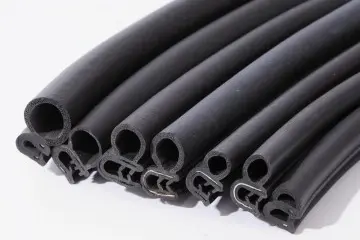
II. Sealing Strips
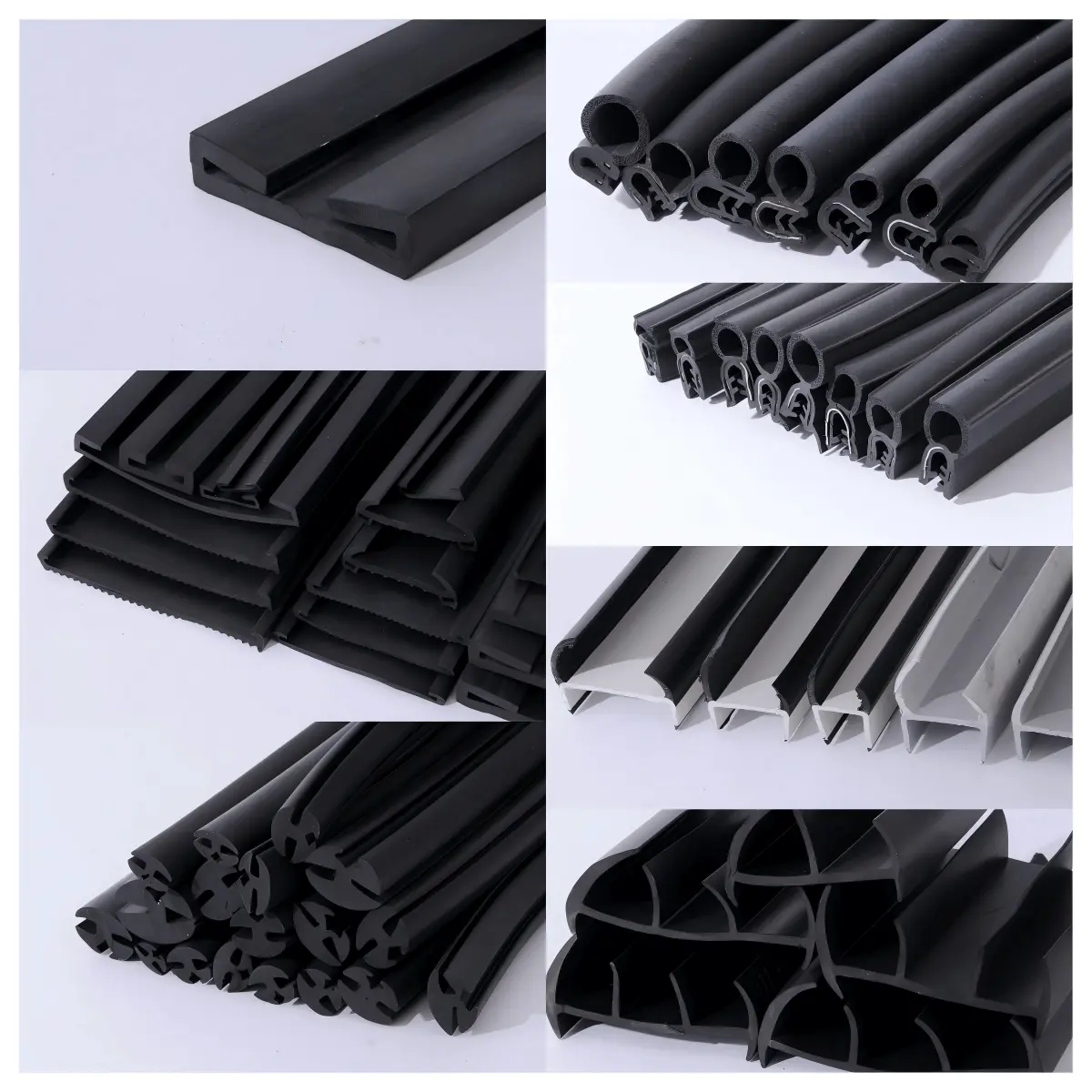
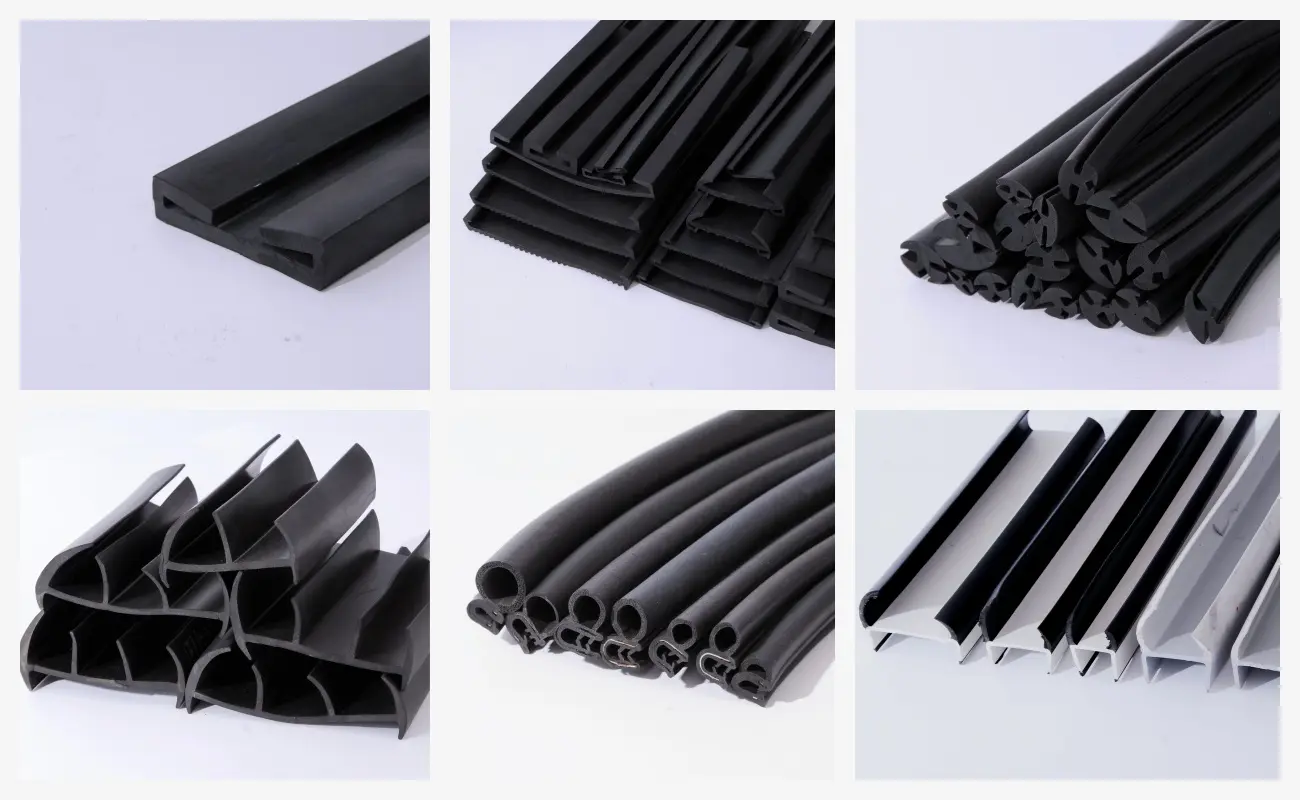
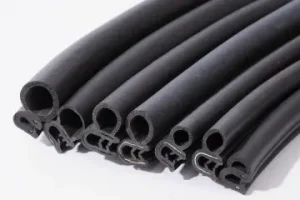
Overview: Sealing strips fill gaps between components to block water, air, and dust. Specialized solutions include container, door, ship system, and fuel tank seals.
• Container Sealing Strips: Protect cargo from rain/dust; withstand extreme outdoor temperatures (-40°C to 70°C).
• Door Sealing Strips: Provide sound insulation, dust-proofing, and shock absorption for vehicles and trains.
• Ship System Sealing Strips: Resist seawater corrosion and salt spray for portholes and deck interfaces.
• Fuel Tank Pad Sealing Strips: Prevent fuel leakage and volatilization; highly resistant to gasoline and diesel.
III. Product Size and Selection
Hose & Sealing Strip Catalog
Frequently Asked Questions (FAQ)
Q1: What are the main materials used for automotive hoses?Common materials include Nitrile Rubber (NBR) for oil resistance, EPDM for weather/water resistance, and Silicone for high-temperature stability.
Q2: What temperature range can silicone hoses withstand?Silicone hoses are highly durable and can operate in extreme environments ranging from -60℃ to +250℃.
Q3: Are the sealing strips resistant to seawater?Yes, the ship system sealing strips are specifically designed to resist seawater corrosion and salt spray for maritime applications.
Q4: Why is EPDM used for radiator water hoses?EPDM offers outstanding resistance to heat, water, and steam, making it ideal for non-oily cooling system transport.
Q5: Can these hoses handle high-pressure environments?Specific hoses, such as loader oil pipes and boost hoses, are reinforced with braided steel wire or fiber layers to improve pressure resistance.
Q6: Do container sealing strips work in extreme cold?Yes, container seals are engineered to remain flexible and effective at temperatures as low as -40°C.
 ANHAN TRADE