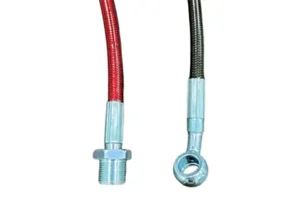
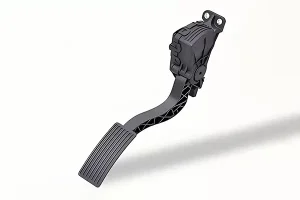
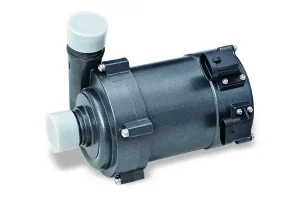
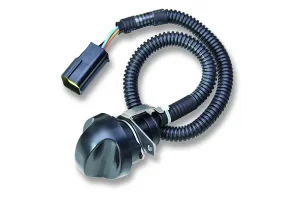
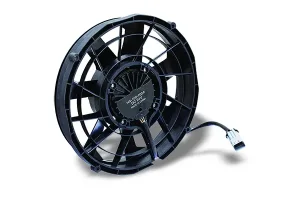
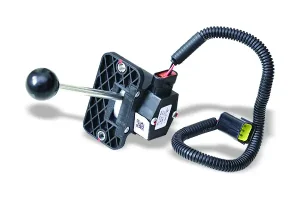
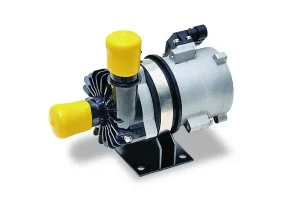
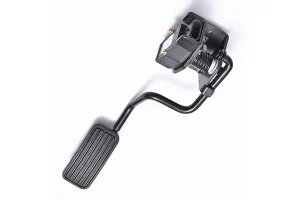
Explore our core engineering lineup. Select from high-reliability brake assemblies, smart accelerator units, and brushless impeller pumps engineered for automotive and heavy-duty configurations.
In modern automotive engineering and grid-level thermal management systems, the selection of fluid recirculation pumps has evolved far beyond traditional mechanical belt-driven designs. Advanced electronic setups demand modular, highly controllable cooling circuits. Canned-rotor electric impeller pumps represent the pinnacle of this technological evolution, utilizing a magnetic drive design that segregates wet and dry sections to eliminate dynamic seal friction and potential leak paths.
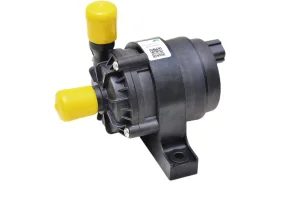
At the heart of the electric impeller pump is a brushless DC (BLDC) motor driver integrated directly into the pump housing. Eliminating carbon brushes drastically lowers electro-magnetic interference (EMI) and raises the operational life of the pump to match or exceed the design life of the vehicle or industrial asset. Our engineering standards dictate the integration of high-grade NdFeB magnets, dynamic thermal throttling algorithms, and precise impeller geometry to minimize cavitation and maintain consistent volumetric efficiency across wide temperature ranges.
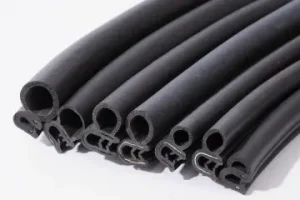
Our thermal components, including high-voltage water pumps, vehicle electronic accelerators, and premium thermal hoses, are designed to work together to form a highly integrated, reliable coolant distribution loops.
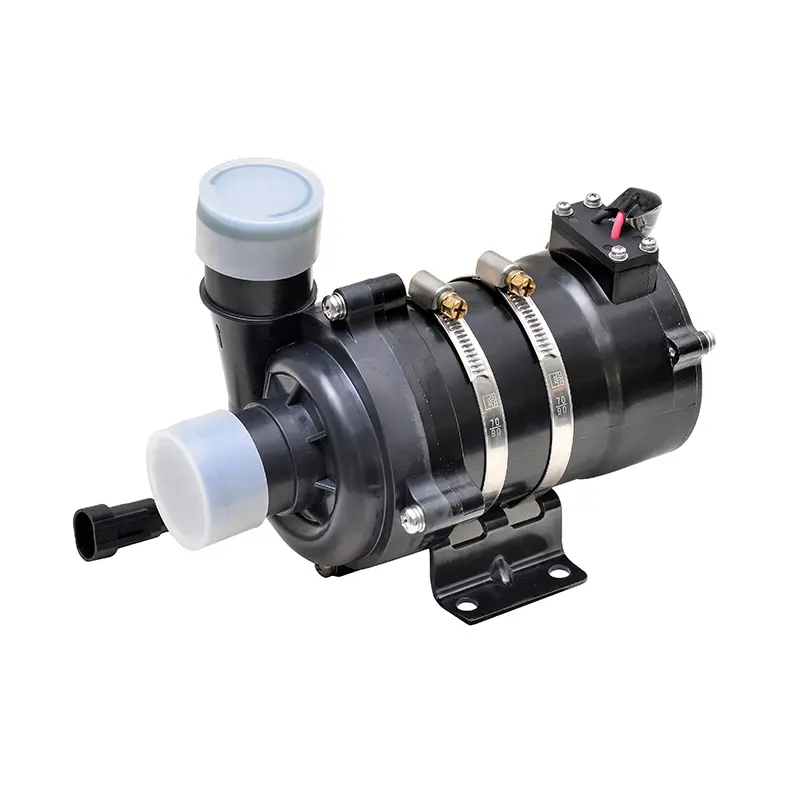
Low-Voltage Water Pump
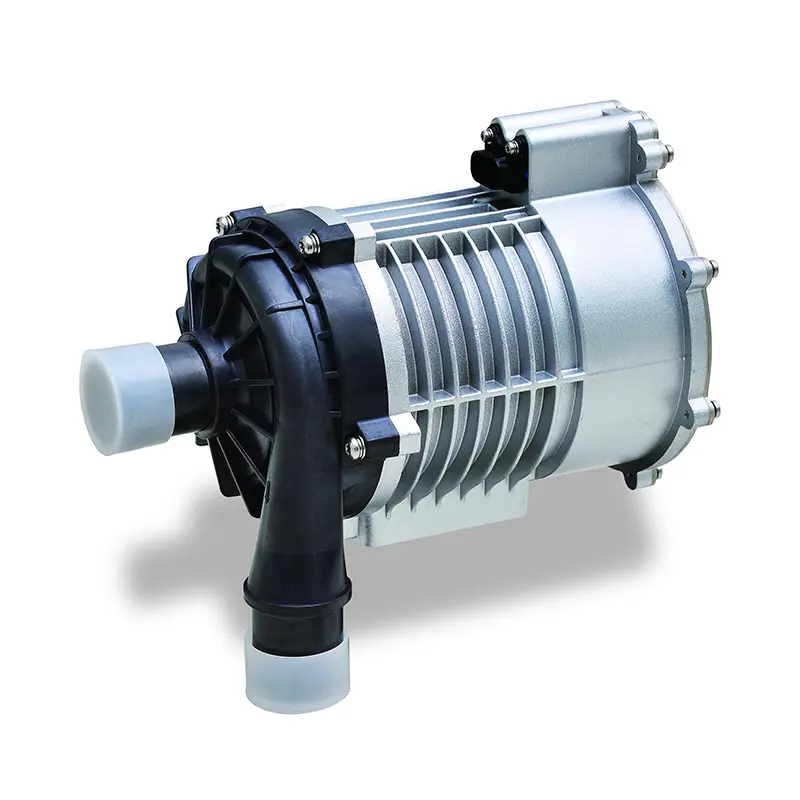
High-Voltage Water Pump
Discover how electric impeller pumps are deployed across global industrial and mobile applications to sustain optimal thermal equilibriums.
During rapid charging cycles (CCS Combo 2 or ChaoJi standards), battery cells experience intense localized exothermic reactions. High-flow impeller pumps are commanded to output maximal coolant velocity to mitigate thermal gradients.
Target Spec: 600W-1050W Dynamic ControlProton Exchange Membrane (PEM) fuel cells require ultra-pure, non-conductive coolants to prevent electrical bypass paths. Impeller pumps with direct ceramic bearings ensure zero leakage of ionic materials into the loops.
Target Spec: High-Insulation Ceramic ShaftsIndustrial and utility battery enclosures (e.g., LFP containerized units) face harsh outdoor temperatures. High-pressure water pumps must run on 24/7 continuous duty cycles to protect localized cell rows from runaway events.
Target Spec: 2.5kW Continuous Duty LoopsOur commitment to R&D is validated by standard laboratory testing and strict compliance benchmarks.
The Hebei Province New Energy Vehicle Engineering Standard Laboratory serves as the central hub for our testing operations. Equipped with environmental chambers, vibration tables, and fluid dynamic modeling platforms, we pressure-test components to guarantee long-term field stability.
In 2008, our factories achieved the certified ISO/TS16949 quality system, evaluated by German Rhine. Continuous enhancements have transitioned our certifications to IATF 16949 standards, establishing a comprehensive trace-and-track protocol that covers raw materials, SMT component mounting, housing cast, dynamic rotor balancing, and final end-of-line (EOL) functional verification.
| Technology Parameter | Standard Configuration | Future Target (Roadmap) |
|---|---|---|
| Drive Voltage | 12V / 24V DC Systems | 400V / 800V High Voltage DC |
| Motor Architecture | Sensorless BLDC, Canned Rotor | Integrated Coreless Stator Drives |
| Control Protocol | PWM / Analog Voltage | LIN 2.1 / CAN FD Diagnostics |
| Hydraulic Flow Range | Up to 150 L/min | High-Volume 350 L/min Modules |
We upgraded the manufacturing controls across all assembly sectors, keeping defective rates well within strict PPM (Parts Per Million) automotive standards.
SMT machine setups mount processing components with automated optical inspections (AOI) to safeguard control board longevity.
Each pump undergoes automated pressurized and performance sweeps to check flow rate, pressure head, current consumption, and signal accuracy.
Precision-made sub-systems built for next-generation vehicle architectures.
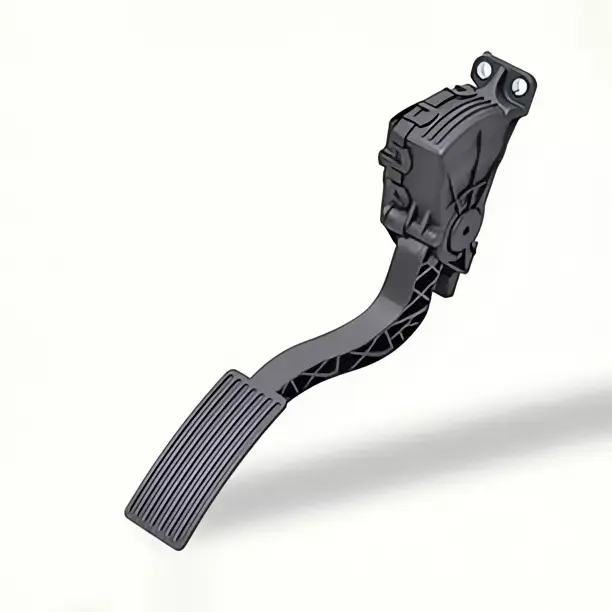
Accelerator Pedal
Low-Voltage Electric Water Pump
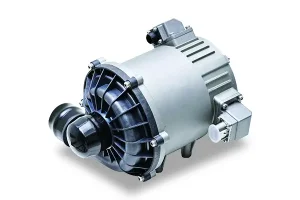
High-Voltage Electric Water Pump
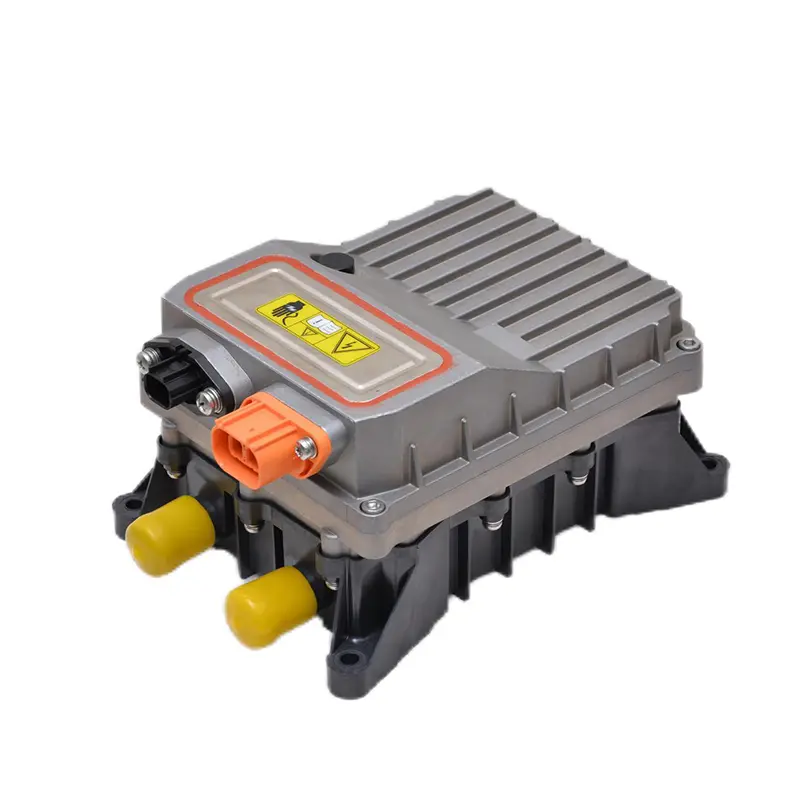
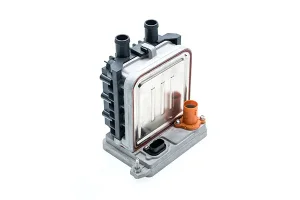
7kw Heater

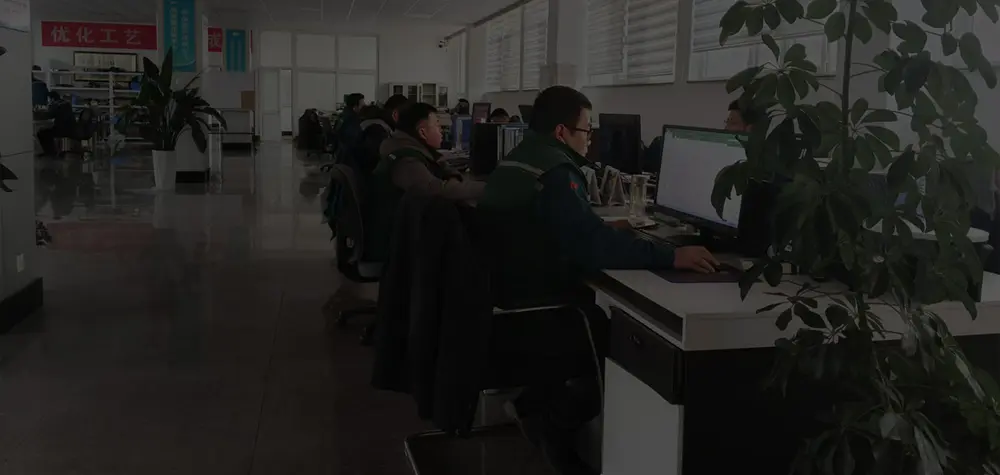
Sourcing hydraulic components from Hebei, China provides key supply chain advantages. Our specialized assembly facility extends over 35,000 square meters, utilizing an integrated local component network to secure high-performance rare-earth magnetic raw materials, advanced motor stators, and custom electrical circuitry at competitive pricing.
This high concentration of local raw materials mitigates shipping delays and keeps development overhead low. Our manufacturing capacity delivers an annual output of 1.2 million electronic accelerator pedals, 300,000 magnetic water pumps, and 50,000 insulation monitors on single-shift rotation.
From quick molding turnarounds to complete component supply chains (including hoses, sealing rings, and custom cast metals), we streamline lead times down to standard 15-to-30 day windows.
Providing custom thermal engineering and control hardware to major brands worldwide.












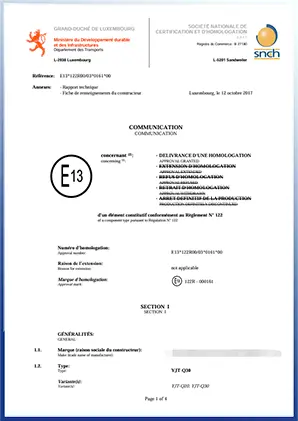
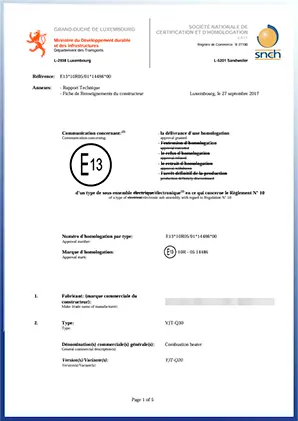
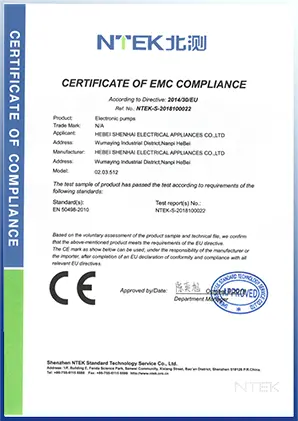
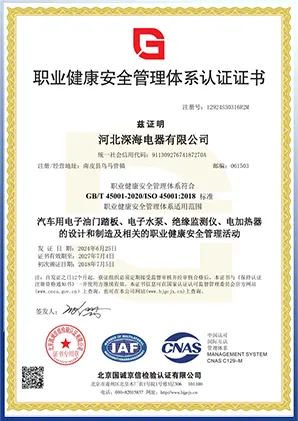
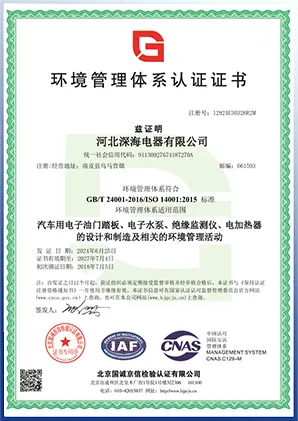
Keep up with technical updates, supplier accreditations, and new releases from our R&D team.
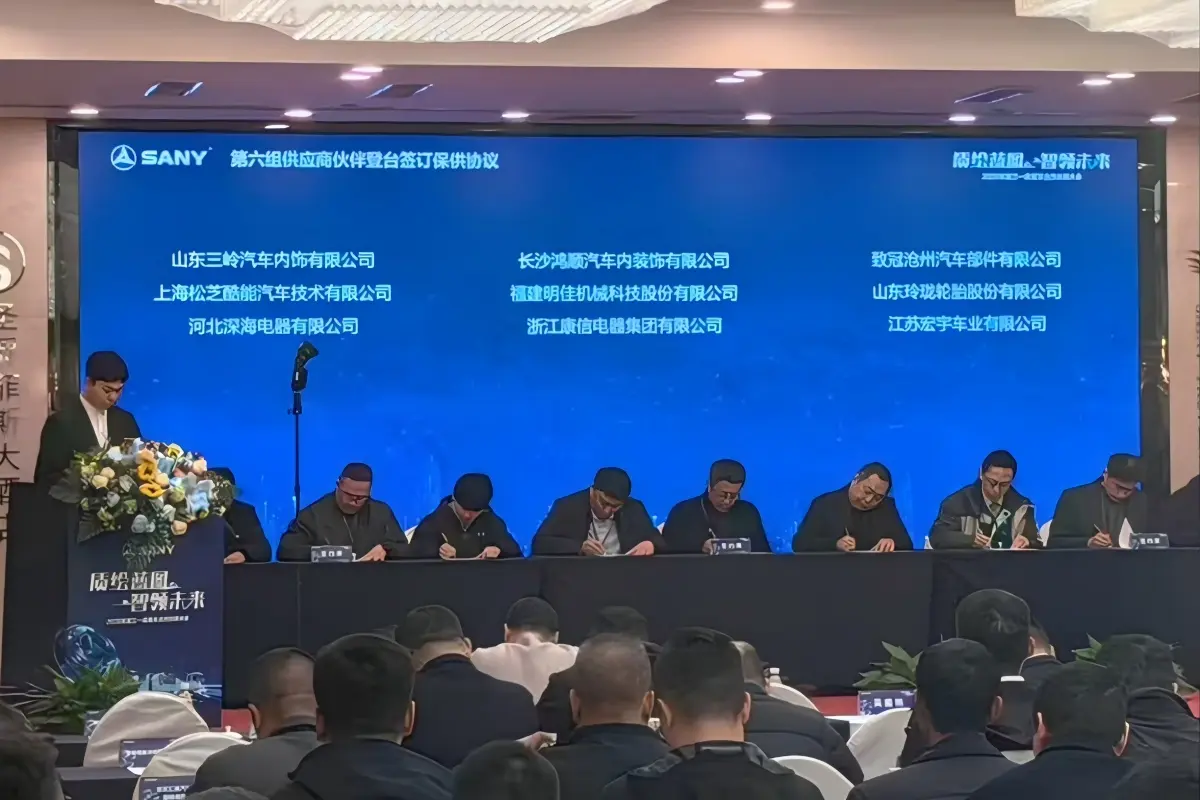
Our manufacturing base, Hebei Shenhai, stands as a long-term SANY-recognized supplier, recently recognized at the SANY Commercial Vehicle Conference. ANHAN handles global exports for these high-tier fluid control designs.
Read Full Report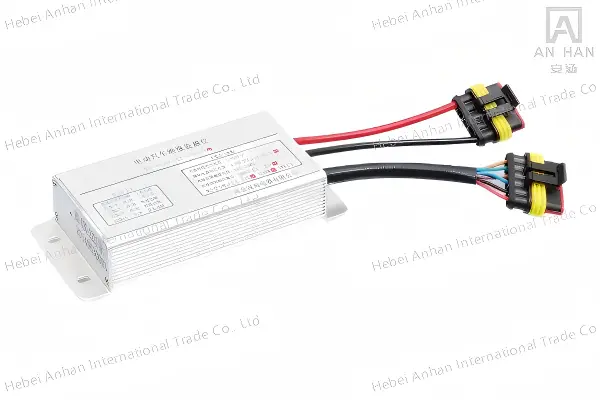
Real-time checks on high-voltage insulation integrity prevent dangerous electrical hazards on new energy platforms, complying with regional road safety standards.
Read Full Report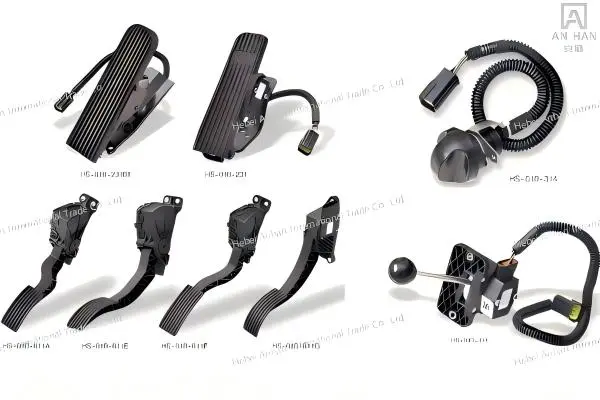
Using non-contact Hall effect sensors to ensure extended operation, precise feedback response, and mechanical wear resilience for floor or suspended cabins.
Read Full ReportRead review profiles from our international clients and procurement partners.


Key information regarding electric water pump engineering, dynamic controls, and sourcing logistics.
Review our specialized hoses, high-performance auxiliary pumps, and electrical interface systems.
 ANHAN TRADE