High-efficiency automotive-grade electrical appliances, control components, and custom thermal management solutions optimized for global logistics fleets and Tier-1 integrators.
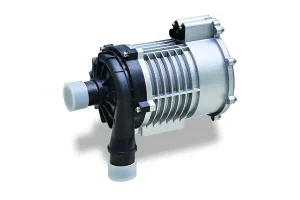
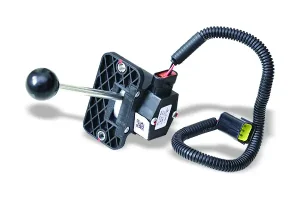
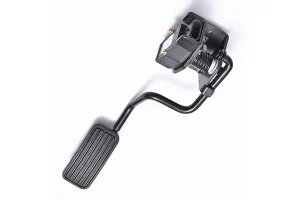
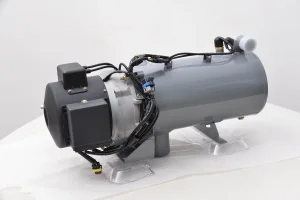
Exploring the macro-level shift toward vehicle electrification, high-voltage infrastructure, and predictive energy management systems.
Global automotive, heavy machinery, and industrial logistics sectors are systematically phasing out fossil-fuel auxiliary heating systems. The shift to electric thermal management systems (ETMS) has created a significant surge in demand for reliable high-voltage PTC heaters and efficient brushless DC liquid water pumps designed for continuous operating environments.
Modern electric vehicles (EVs) are migrating from 400V platforms to advanced 800V silicon carbide (SiC) topologies. This shift demands heating units, insulation monitors, and electric coolant pumps that maintain flawless performance under extreme voltage spikes while eliminating electromagnetic interference (EMI) across critical digital communication networks.
Modern thermal management is no longer reactive. Advanced vehicles integrate ambient environmental data, real-time battery cell diagnostics, and high-precision electronic controls to maintain temperatures between 15°C and 35°C. This proactive balancing maximizes battery lifespan and improves overall driving range in extreme cold weather.
"The rapid integration of multi-domain vehicle electronics requires a strict convergence of thermal dynamics, fluid power engineering, and electrical insulation diagnostics. We design and deliver solutions that cross-analyze system thermal load demands, ensuring high-efficiency energy deployment across extreme environmental conditions."
Our R&D roadmap focuses on improving high-voltage insulation systems, upgrading brushless motor efficiencies, and enhancing diagnostic integration for vehicle thermal networks. By adopting next-generation magnetic coupling drives and silicon carbide high-voltage controllers, we resolve heat dissipation issues under heavy loads. Our engineering targets focus on three main areas:
Backed by 20 years of manufacturing excellence in electric vehicle components, maintaining rigorous control systems to support international OEM lines.
The Hebei Province New Energy Vehicle Engineering Standard Laboratory serves as our primary engineering hub, supporting core product research and development, life-cycle simulations, and environmental stress testing under challenging conditions.
Our technical achievements include developing China's first magnetic water pumps and three-way high-voltage insulation monitors, providing precise real-time diagnostics and electrical system protection for advanced vehicle platforms.
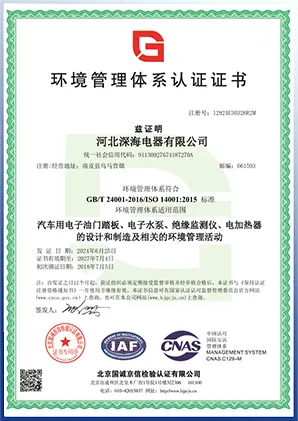
We obtained ISO/TS16949 certification from TÜV Rheinland in 2008 and continuously upgrade our processes to ensure compliance with strict international automotive quality and safety standards.
Equipped with high-precision automated SMT lines and over ten specialized assembly and testing stations, our facilities ensure reliable component consistency, high production yields, and fast turnaround times for global clients.
Tailoring thermal management hardware to meet strict standards in transportation, heavy machinery, and grid energy storage systems.
Urban logistics operations and public transport buses demand reliable thermal systems that handle high daily start-stop cycles. Our heavy-duty coolant pumps and liquid heaters ensure passenger cabin comfort and sustain high-voltage battery banks at peak operational efficiency throughout long routes.
Extreme vibration, dust, and dynamic thermal loads are common in industrial mining and excavation environments. Working closely with leading machinery partners like SANY, we develop robust auxiliary components that resist environmental contaminants while maintaining reliable cabin HVAC performance.
High-capacity battery containers generate significant thermal energy during rapid charge-discharge cycles. Our high-voltage coolant pumps and insulation monitoring equipment run continuously to balance temperatures, manage dielectric safety, and prevent runaway events in grid-tied infrastructure.
Below is a comparative breakdown showing the operational differences between low-voltage and high-voltage thermal solutions designed for industrial environments.
| Performance Dimension | Low-Voltage Systems (12V / 24V DC) | High-Voltage Systems (400V / 800V DC) | Industrial Focus Areas |
|---|---|---|---|
| Primary Application | Auxiliary cooling, traditional cabin heating | EV main battery cooling, high-capacity HVAC | Dynamic Thermal Response |
| Isolation Monitoring | Basic earth loop checks | Active 3-way insulation diagnostics | Operator Safety Standards |
| Pump Drive Efficiency | Brushless DC up to 85% | Magnetic-drive BLDC up to 94% | Parasitic Energy Reduction |
| EMC / EMI Compliance | Class 3 CISPR25 limits | Class 5 CISPR25 (Automotive-Grade shielding) | Signal Line Protection |
Original high-performance items developed for specialized testing, customization, and deployment across OEM platforms.
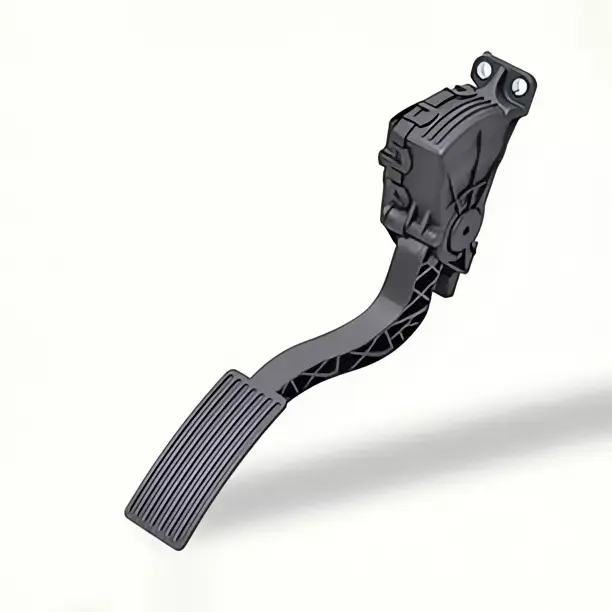
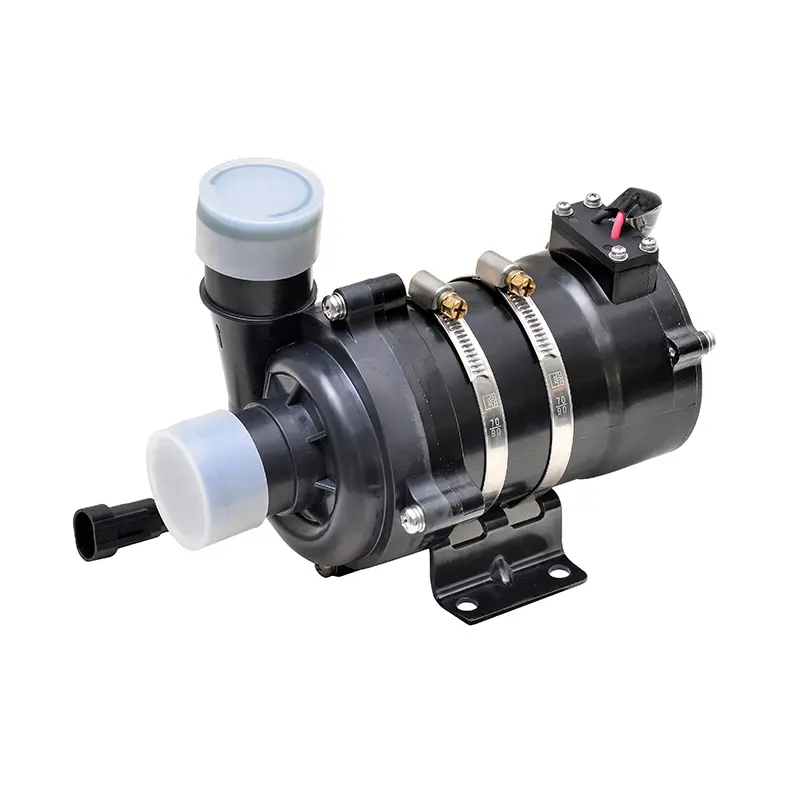
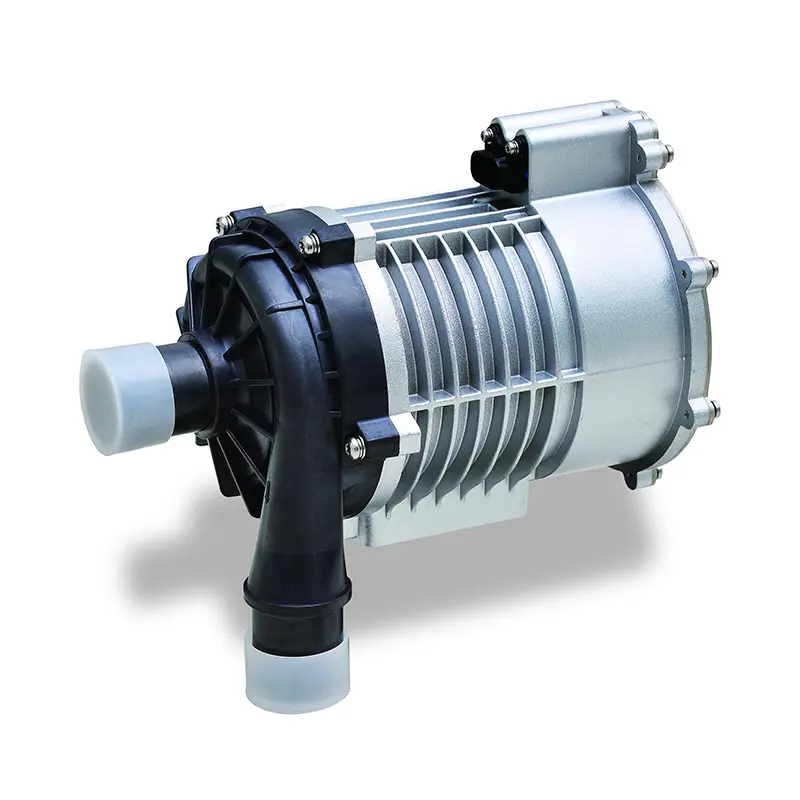
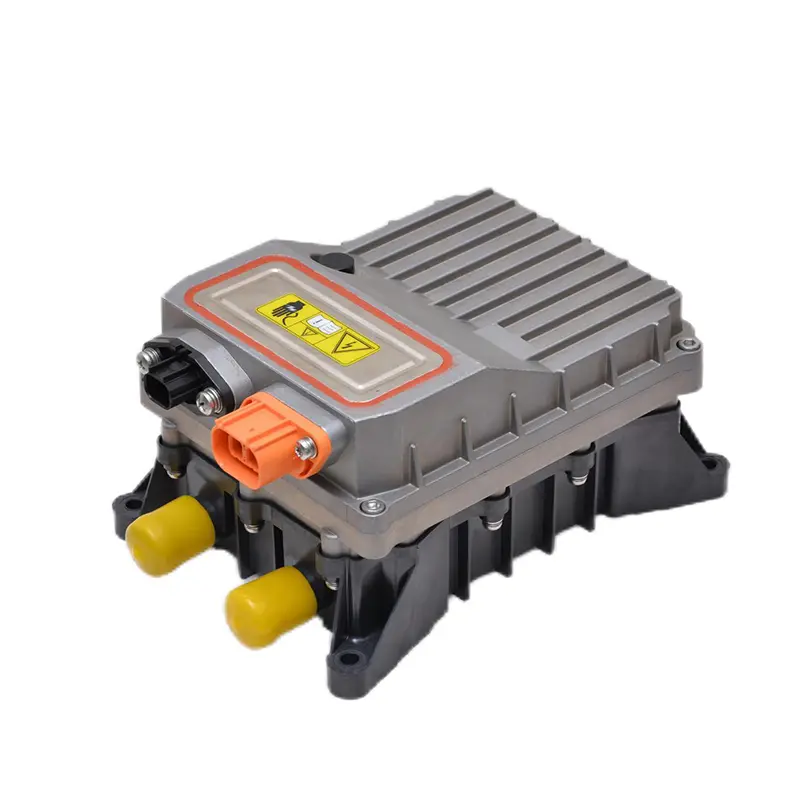
Building long-term cooperation and technical engineering alignment with leading automotive and machinery manufacturers.












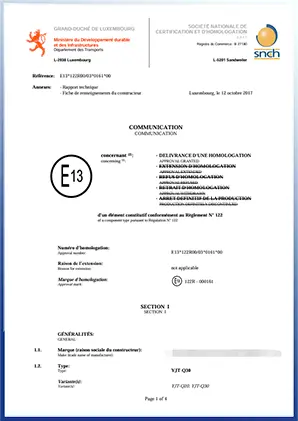
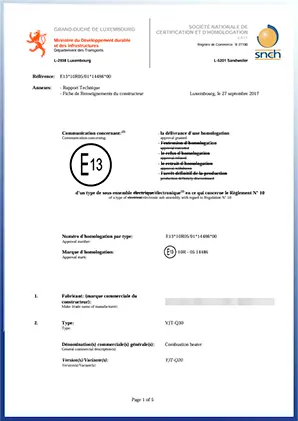
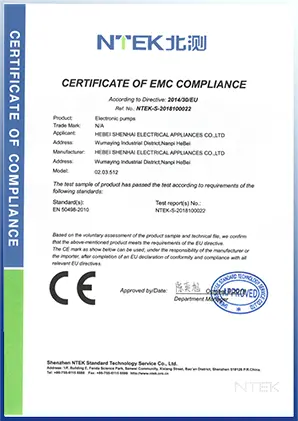
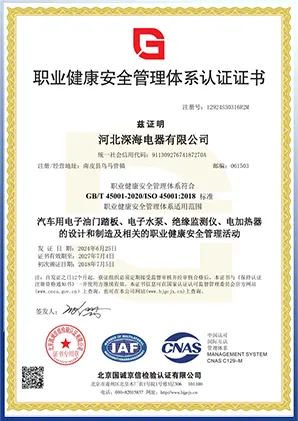
Compliance documentation verified by international testing bodies, validating safe operation in global transit systems.
What developers, project managers, and sourcing partners say about our technical cooperation.
"Emma handled the process very well and professionally. Great to work with her. The pumps are for a prototype and the manufacturer modified the PWM signalling as requested."

Prototype Engineering Lead
"Our factory and design engineering base worked directly with their technical team. They customized the thermal curve response of the 7KW fluid heater to match our dynamic requirements."

Fleet Operations Manager
"The insulation monitoring systems provided steady signals even during high-current fast charging cycles. Real-time diagnostic response has improved overall vehicle safety margins."

HV Diagnostics Engineer
Expert-level questions and answers covering automotive-grade thermal systems, electrical appliances, and safety compliance.
Technical updates from Hebei Shenhai on vehicle validation tests, fleet thermal performance, and new safety component designs.
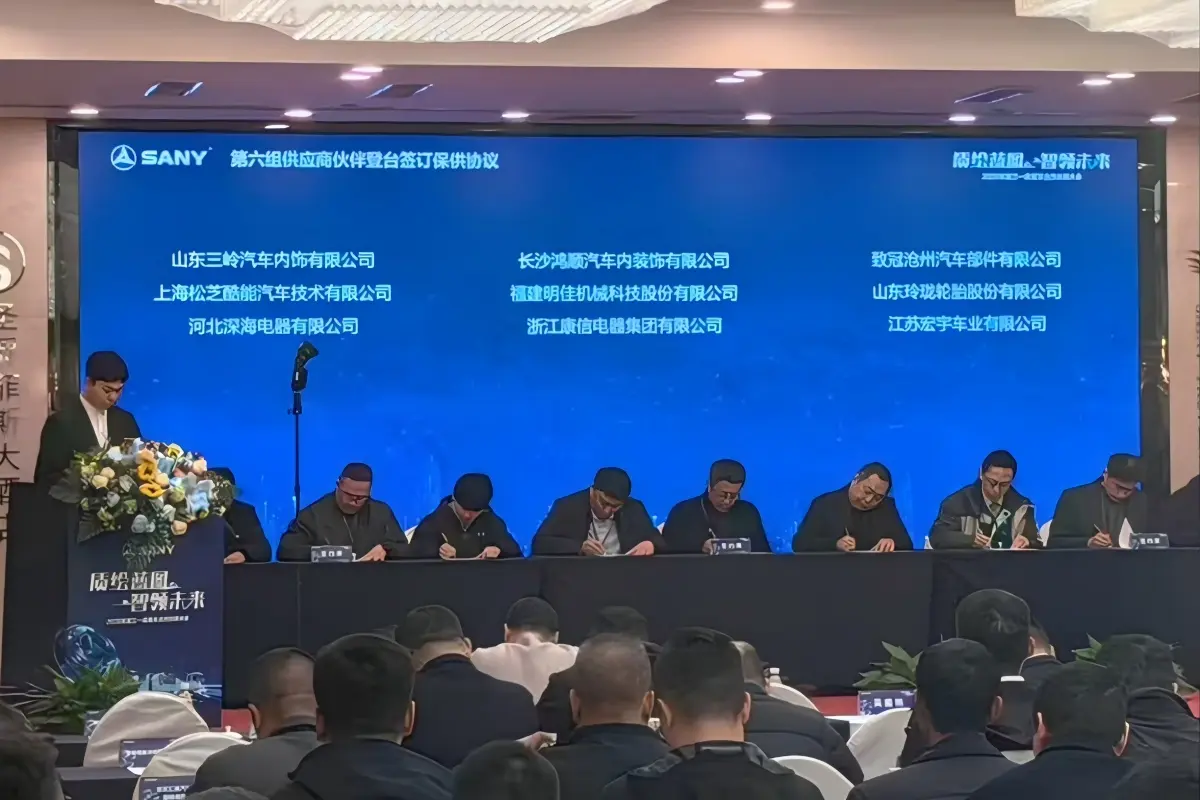
Our factory, Hebei Shenhai, is a long-term SANY-recognized core supplier, as recently showcased at the SANY Commercial Vehicle Conference. As its exclusive export partner, ANHAN provides global access to these quality components.
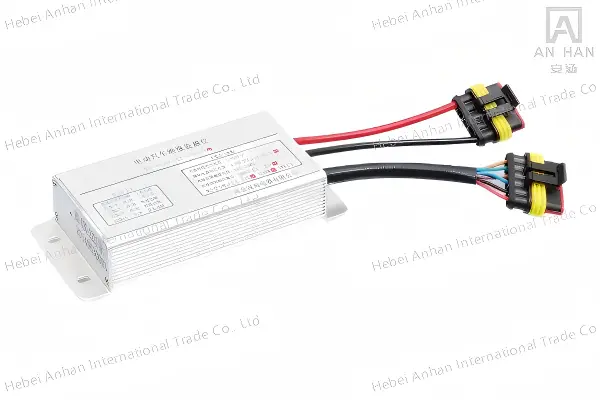
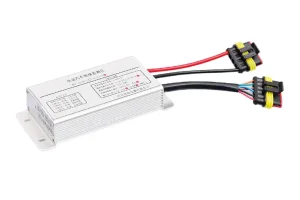
Insulation monitor is a critical EV safety component. It provides real-time detection of high-voltage insulation failures, delivers early warnings to prevent electrical hazards, ensures operational safety, and supports compliance with stringent standards.
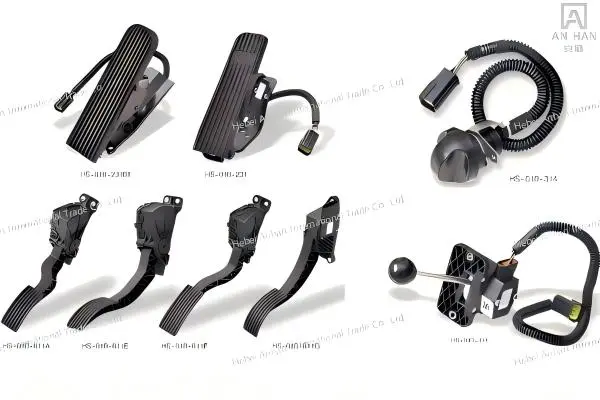
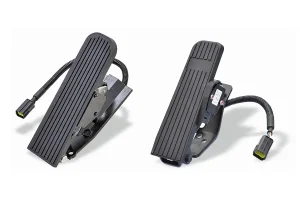
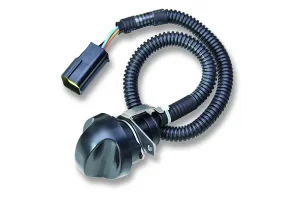
Anhan accelerator pedal utilizes non-contact Hall effect sensing technology, offering long lifespan, fast response, and high stability. It provides two main series: floor-mounted and suspended, with hundreds of models to choose from, and support for customizing parameters.
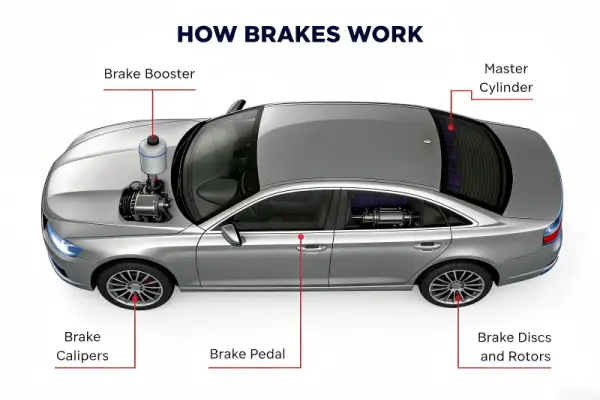
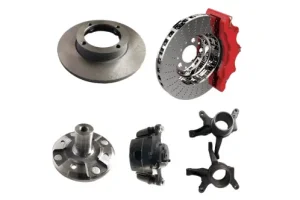
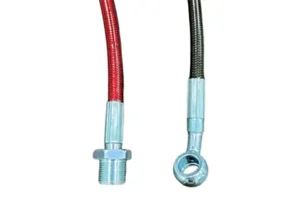
Braking systems are a critical vehicle safety component. Here we discuss how automotive braking systems function, key performance measurements, and how electrification is changing brake technology.
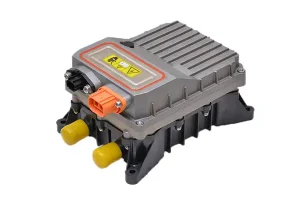
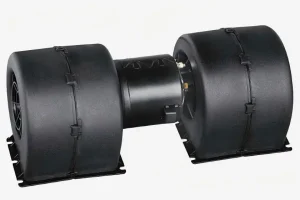
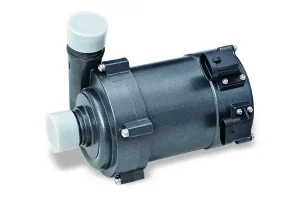
Reliable liquid heaters, high-output electric pumps, specialized cooling fans, and automotive-grade stamping parts.
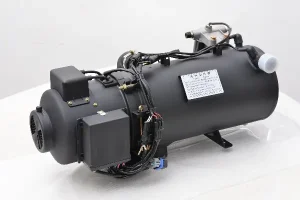
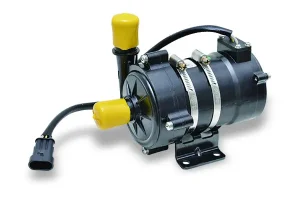
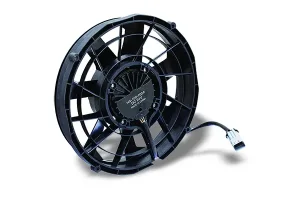

 ANHAN TRADE