Our product quality is fully guaranteed, more than selling, your ideal choice for advanced electromobility and thermal loop operations.
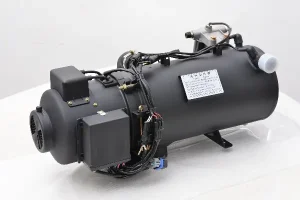
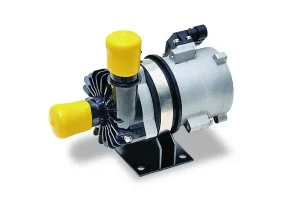
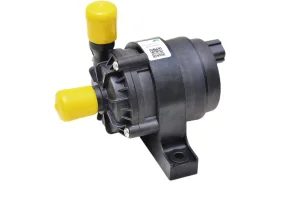
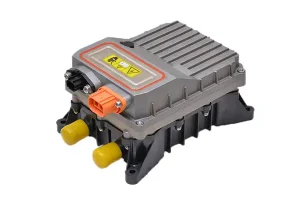
A comprehensive examination of design requirements, system thermodynamics, and high-voltage compliance in the transition from fossil fuels to zero-emission thermal loops.
In the modern era of industrial engineering, clean transportation, and energy transitions, the demand for high-capacity, efficient fluid heating systems has shifted rapidly toward advanced electrification. Standard boilers rely on combustion, creating substantial greenhouse gas footprints. In contrast, high-voltage electric boilers and high-performance PTC (Positive Temperature Coefficient) liquid heaters utilize electric current directly to generate heat. When paired with high-efficiency magnetic brushless DC water circulation pumps, these systems form the backbone of modern automotive cabin heating, battery energy storage system (BESS) thermal management, and localized industrial processing lines.
Achieving reliability in high-voltage heating systems requires an understanding of thermodynamics, electrical safety, and material interfaces. Modern applications demand heaters capable of operating at voltages ranging from 400V to over 800V DC. Designing systems at these parameters requires rigorous engineering constraints to prevent electric leakage, insulation breakdown, and thermal runaway. Consequently, selecting components certified to standard automotive quality benchmarks (like IATF 16949) guarantees longevity and robust operational limits.
When evaluating electric fluid heaters, engineering teams frequently choose between traditional resistive heating elements and PTC ceramic heaters. Resistive heating wire structures present a linear relationship between resistance and temperature. While simple, they require active, external safety shutdowns to prevent overheating. In contrast, PTC heaters exhibit a non-linear resistance profile: as the ceramic element heats up to a specific Curie point, its electrical resistance increases dramatically, effectively choking the current draw and preventing overheating. This self-regulating property ensures that even in total fluid loss conditions, the heater will not exceed its maximum design temperature, making it a reliable choice for vehicles, transport cabins, and hazardous environments.
Explore our core engineering segments, including magnetic water pumps, accelerator controls, and high-voltage heating loops.
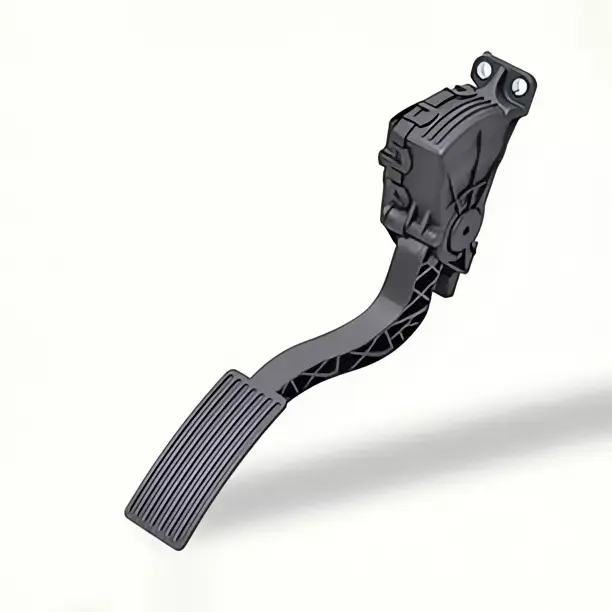
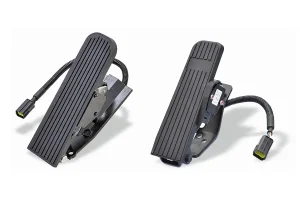
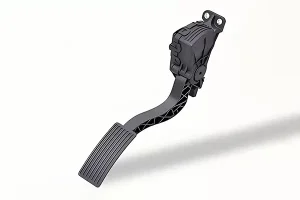
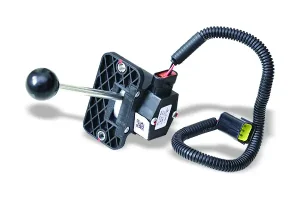
Equipped with high-precision angle sensors, dual-redundant signals, and long lifecycle characteristics suitable for commercial transit vehicles.
Explore Technology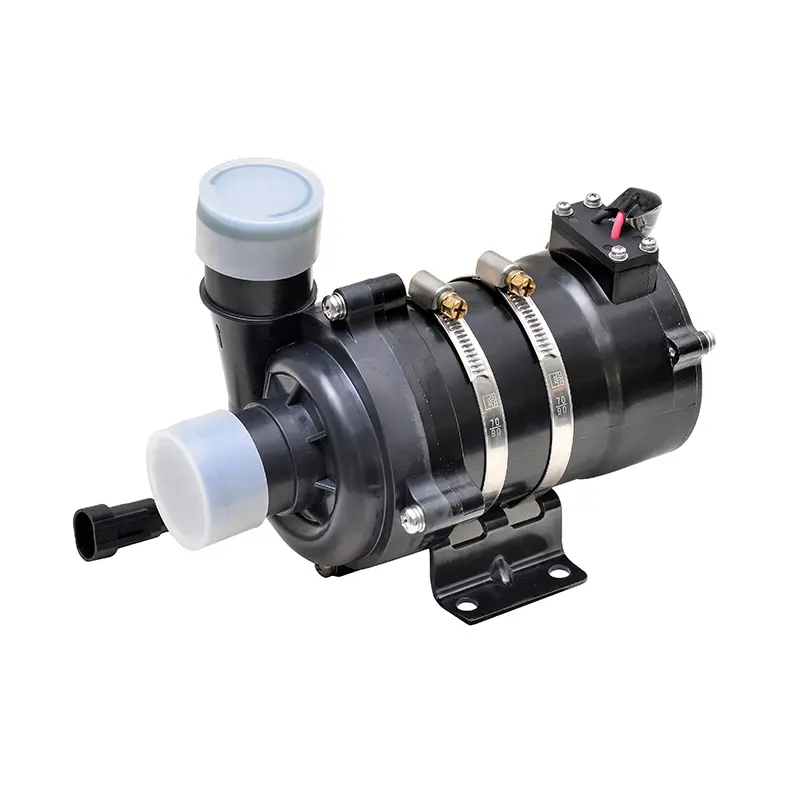
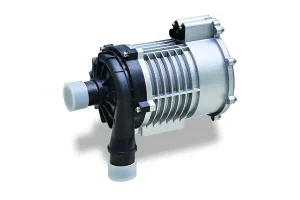
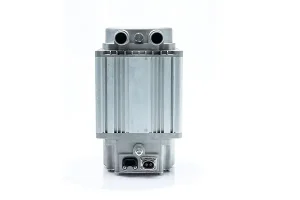
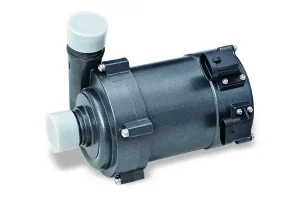
Brushless DC magnetic drive water pump configured for 12V/24V operations, delivering optimized coolant flow for auxiliary circuits.
Explore Technology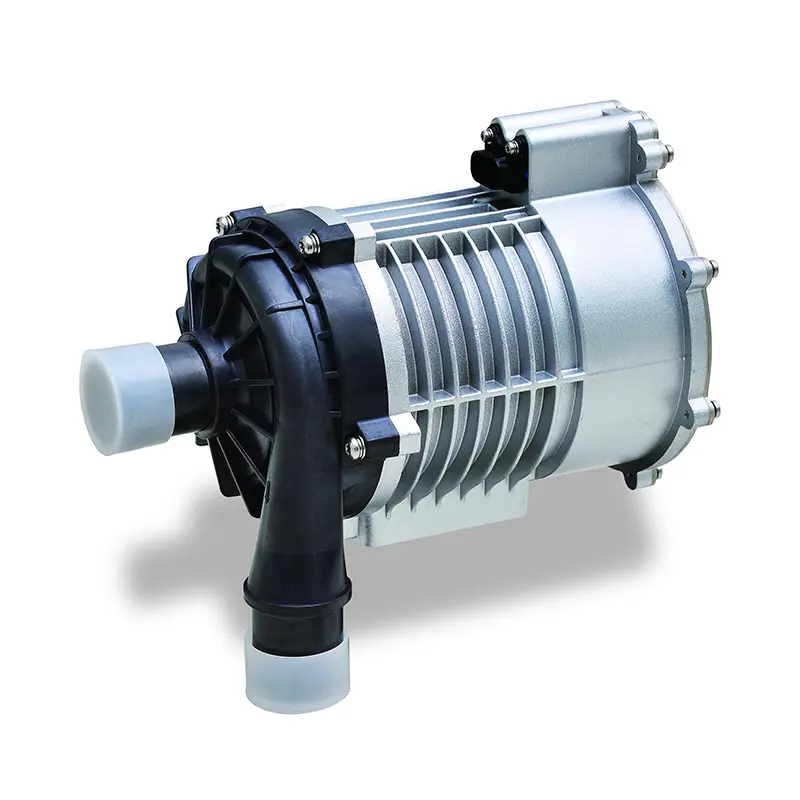
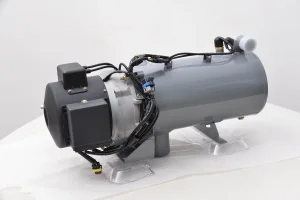
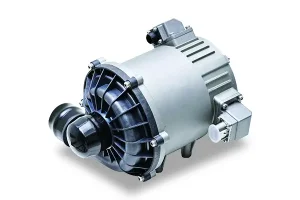
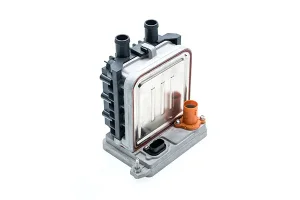
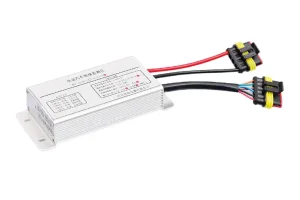
Heavy-duty 600V+ compatible electronic pumps featuring CAN-bus diagnostics and dynamic speed regulations for high-capacity battery loops.
Explore Technology20 years of experience in manufacturing electric vehicle parts, backed by advanced engineering laboratories and full-process quality control.

The Hebei Province New Energy Vehicle Engineering Standard Laboratory supports cutting-edge product R&D and performance testing, covering key tech areas with high barriers. We launched China's first magnetic water pumps and three-way high-voltage insulation monitors, using advanced tech for precise monitoring and diagnosis.
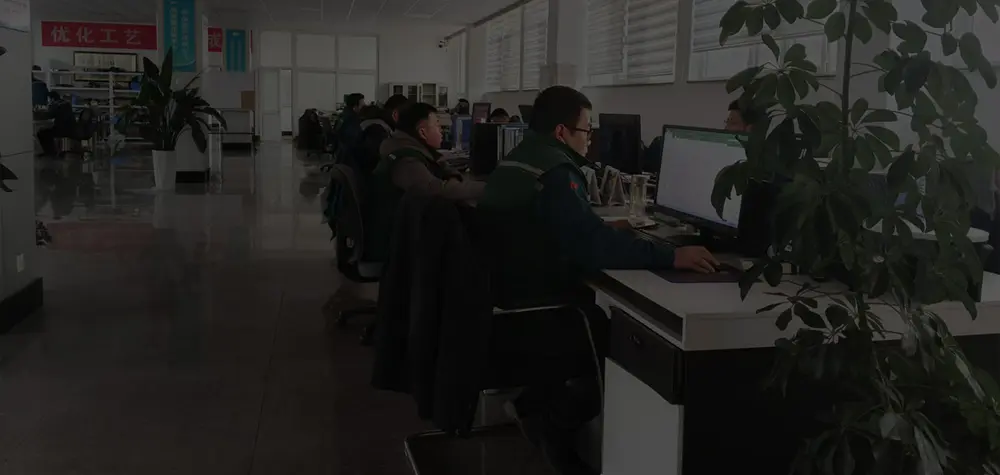
Equipped with complete testing facilities, we passed ISO/TS16949 by German Rhine in 2008 and upgraded systems for reliability. Implemented full-staff quality management, following TS16949 (now IATF 16949) in all processes. Our automated production features SMT lines and over ten assembly and testing lines for consistency and efficiency.

Our factory and R&D base covers over 35,000 sqm for large-scale production. The annual output of a single shift reaches 1.2 million electronic accelerator pedals, 300,000 magnetic water pumps, and 50,000 insulation monitors. Our products are widely used in new energy vehicles, energy storage, hydrogen fuel cells, AC, and battery temp control.
Providing verified components, regulatory clearances, and structural integrity for global engineering networks.
How we integrate local regulatory expectations with China's production cost efficiencies to streamline global industrial logistics.
Global industrial procurement necessitates strict compliance with regional regulations, including Europe's Low Voltage Directive (LVD) and Electromagnetic Compatibility (EMC) regulations, alongside North America's UL standards. High-voltage liquid heaters must incorporate robust isolation safety measures to prevent chassis leaks.
Our insulation monitoring systems dynamically assess insulation resistance, delivering early diagnostic warnings via CAN-bus communication. This capability meets functional safety standards, ensuring that high-voltage currents shut down before insulation failure compromises operator safety.
Standard components rarely fit proprietary vehicle communication models or thermal management loops directly. We offer customized software engineering to adapt control methods (such as LIN, CAN, or Pulse Width Modulation - PWM) to suit your primary controller.
Through parameter configurations in the controller, our pumps and heaters respond dynamically to thermal demands, protecting components while ensuring optimal heating and cooling performance.
Operating from China's industrial core allows us to leverage integrated supply chains. Raw material procurement, tooling fabrication, precision aluminum stamping, plastic injection molding, and SMT PCB assembly are completed within a short radius.
This cluster effect lowers logistics costs and speeds up prototyping. Quality remains a priority throughout: our operations implement continuous monitoring systems that record production variables, ensuring batch-to-batch consistency.
Providing services to 47 countries requires optimized customs processing and protective export packaging. We maintain logistics structures that support sea, air, and multimodal freight, delivering duty-clearance documentation to simplify receiving at your assembly lines.
We establish long-term, deep cooperation intentions with leading international brands and transport equipment providers.






Our production facilities undergo regular audits by independent bodies to ensure quality and standard compliance.
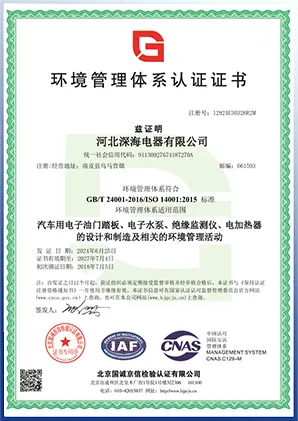
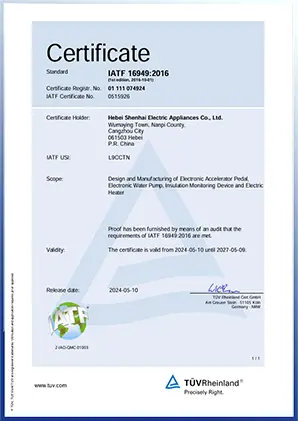
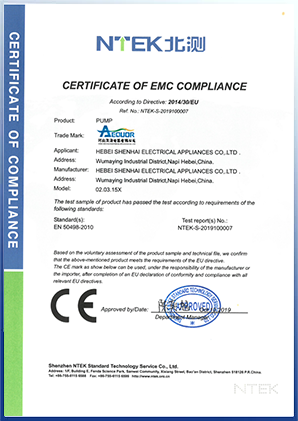
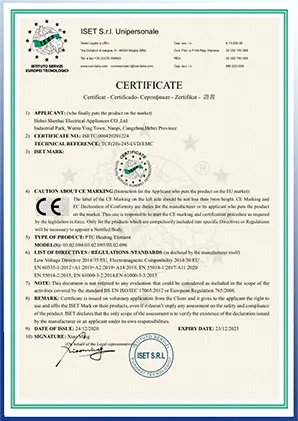
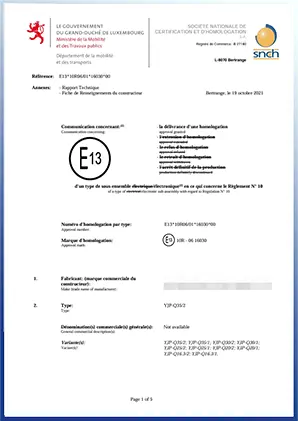
Our biggest motivation is the trust of our customers. Here is feedback from partners in the field.

"Emma handled the process very well and professionally. Great to work with her. The pumps are for a prototype and the manufacturer modified the PWM signalling as requested."
Stay informed with updates and developments in clean energy thermal management systems.
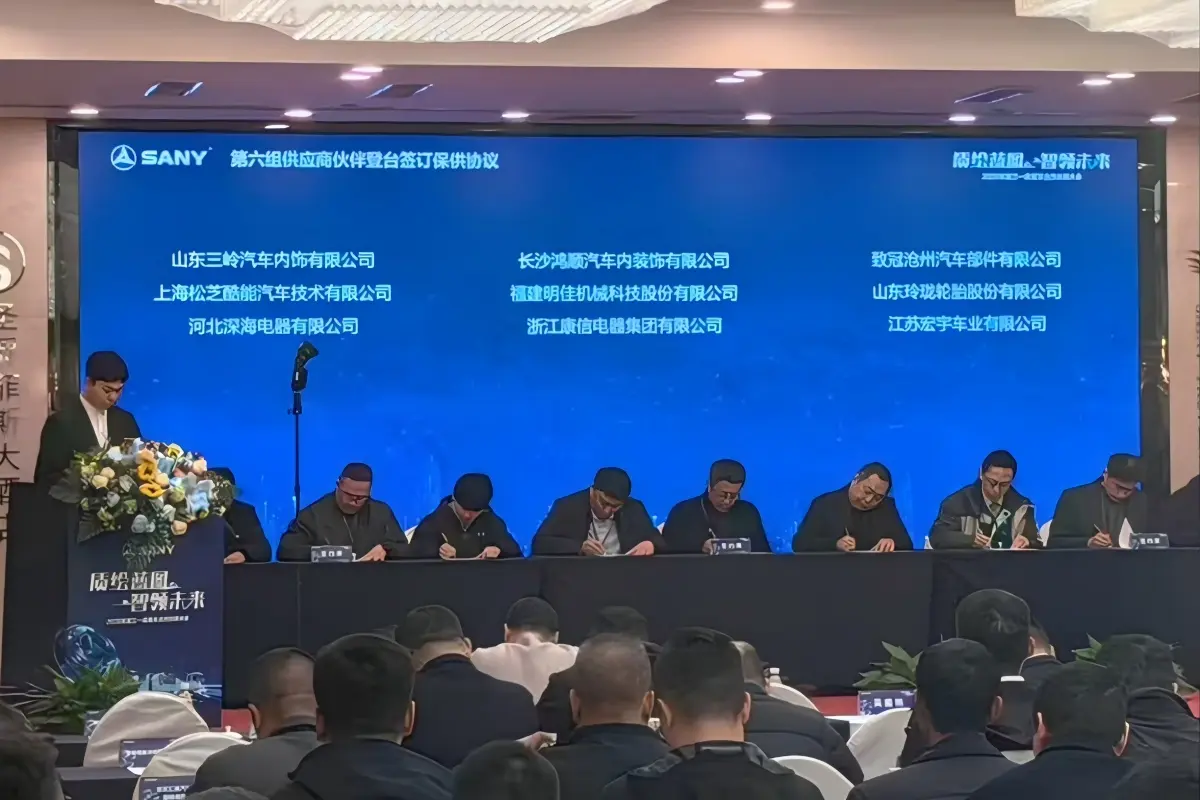
Our factory, Hebei Shenhai, is a long-term SANY-recognized core supplier, as recently showcased at the SANY Commercial Vehicle Conference. As its export partner, ANHAN provides global access to these quality components.
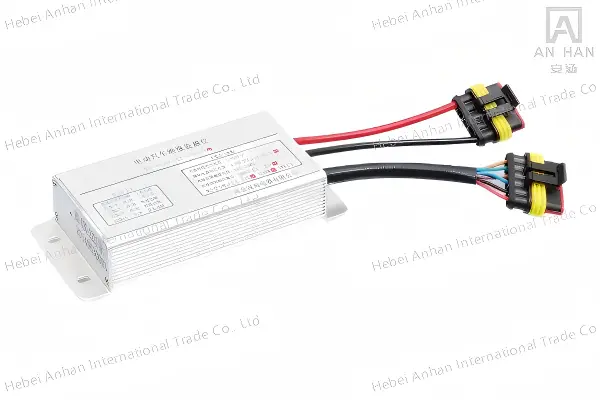
Insulation monitors are critical for safety in electric vehicles. They detect high-voltage insulation issues early to prevent electrical hazards and maintain safety and compliance.
Technical answers to common engineering and procurement questions regarding our fluid components.
Our heaters utilize PTC ceramic materials that exhibit self-regulating characteristics. If coolant flow drops, the element temperature increases to its Curie point, which causes its electrical resistance to rise significantly. This action limits the electrical current, preventing damage without requiring external shutoff sensors.
Yes, our engineering team can configure control interfaces. We support PWM, LIN, and CAN-bus protocols. Our systems support parameter tuning for speed curves, startup behavior, and error diagnosis to integrate with your vehicle control unit (VCU).
Our facilities follow standard automotive quality protocols. We passed ISO/TS16949 certification with the German Rhine Group in 2008 and maintain updated automotive certifications. This framework governs our materials sourcing, SMT assembly, testing, and documentation processes.
Our monitors track the insulation resistance between high-voltage buses and the vehicle ground. By using advanced diagnostics, they identify potential safety issues before ground faults occur, notifying control systems to shut down high-voltage power when values drop below set thresholds.
Explore our additional selections of electrical components, including variable-speed fluid pumps, heating loops, and accelerator controls.
 ANHAN TRADE