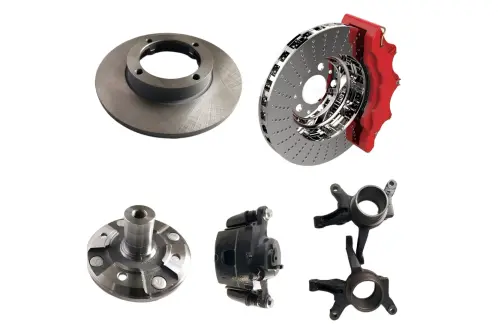
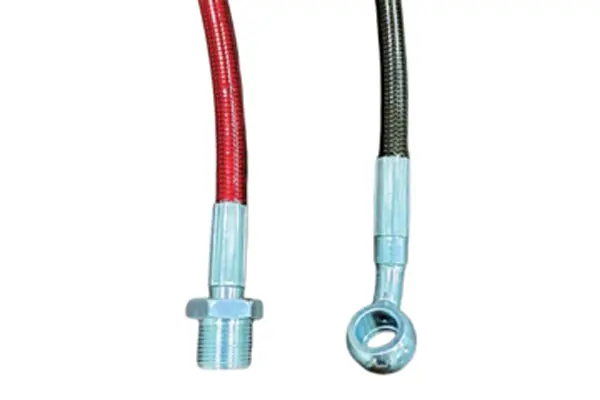
The global automotive industry is undergoing a radical shift toward performance, longevity, and extreme reliability. In this context, Wholesale PTFE Brake Lines have moved from niche racing applications to standard requirements in high-end automotive, aerospace, and heavy-duty industrial sectors. Unlike traditional rubber hoses, Polytetrafluoroethylene (PTFE) offers an unparalleled chemical resistance and thermal stability, making it the material of choice for modern hydraulic systems.
As a leading PTFE Brake Line Factory, we observe a growing demand across North America, Europe, and Asia-Pacific. The expansion of the Electric Vehicle (EV) market has further accelerated this trend. EVs require braking systems that can handle rapid pressure changes and operate efficiently under varying temperature profiles without the "spongy" feel associated with rubber hose expansion.
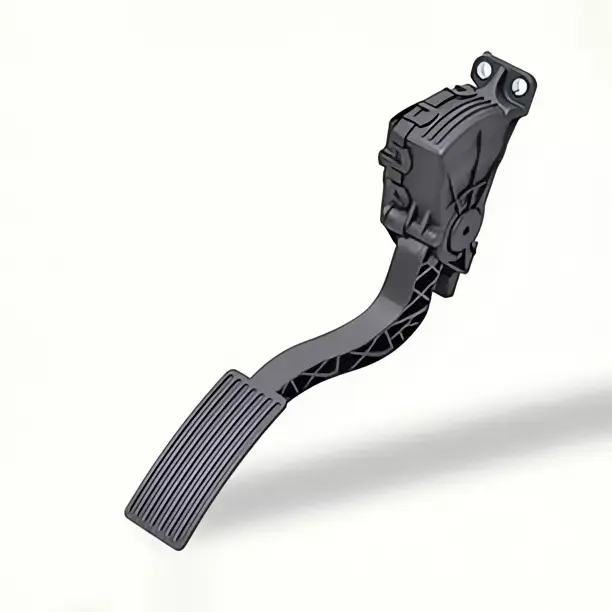
Electronic braking systems in EVs demand stiffer, more responsive lines to optimize regenerative braking efficiency and safety diagnostics.
New synthetic brake fluids (DOT 5.1) are more aggressive; PTFE's inert nature ensures no degradation over decades of use.
Manufacturers are replacing heavy steel tubing with flexible PTFE lines to reduce vehicle weight and improve assembly speed.
Stricter global safety mandates like FMVSS 106 and ISO 3996 are pushing suppliers to adopt stainless steel braided PTFE as the gold standard.

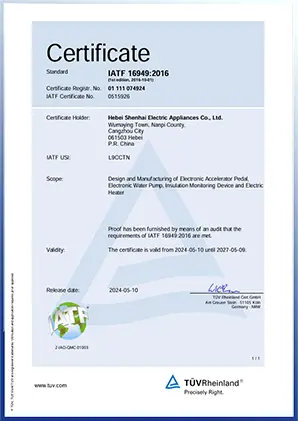
Our facility, the Hebei Province New Energy Vehicle Engineering Standard Laboratory, is built to support cutting-edge product R&D and performance testing. We cover key tech areas with high barriers to entry, ensuring our Wholesale PTFE Brake Lines meet the most rigorous international standards.
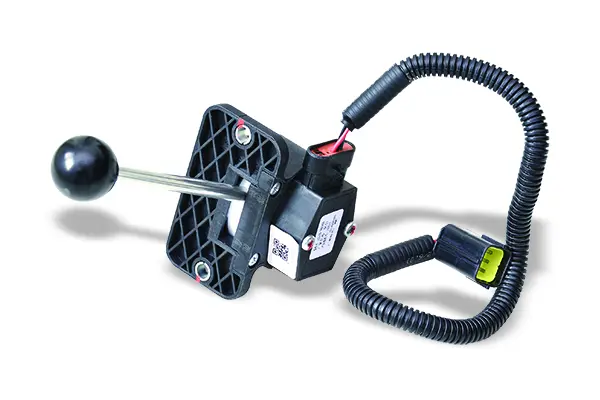
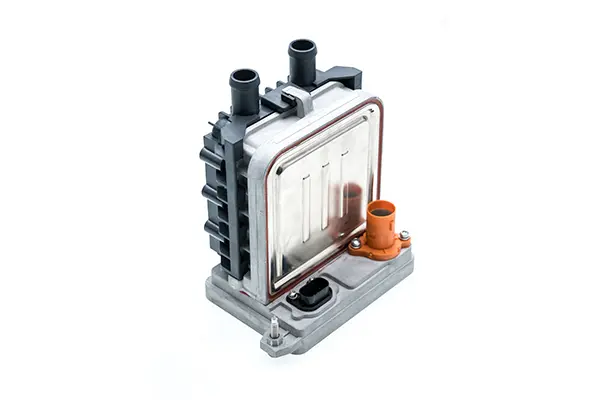
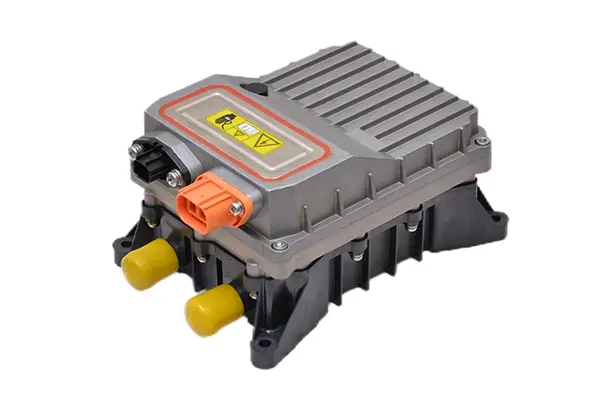
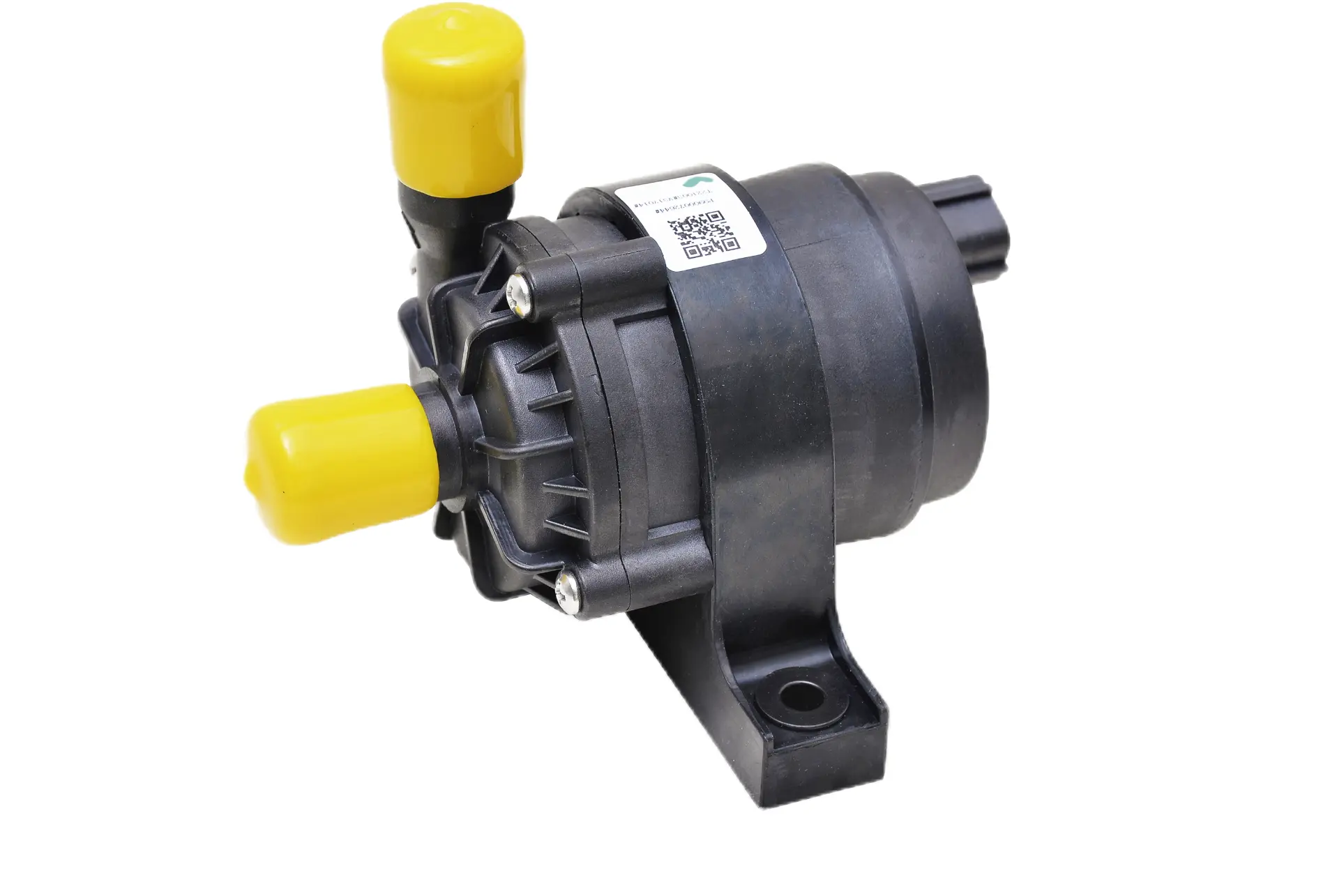
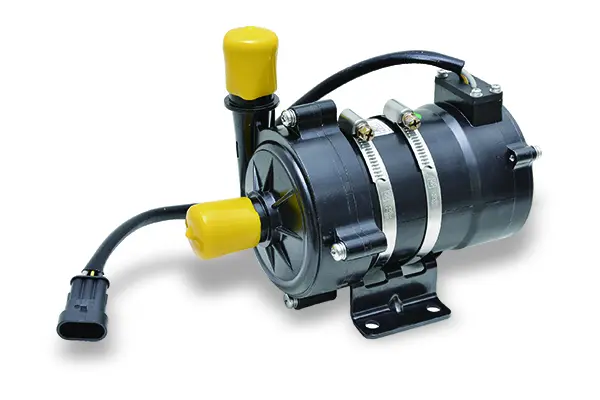
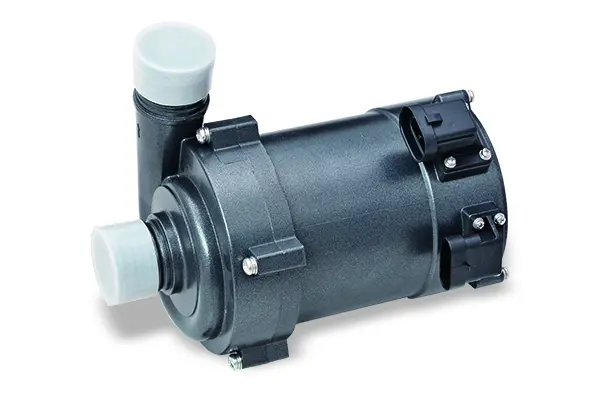
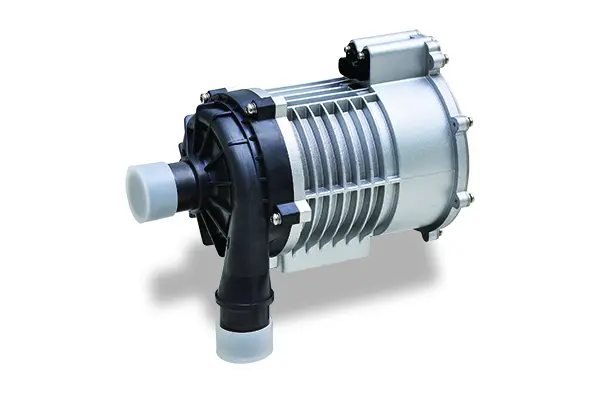
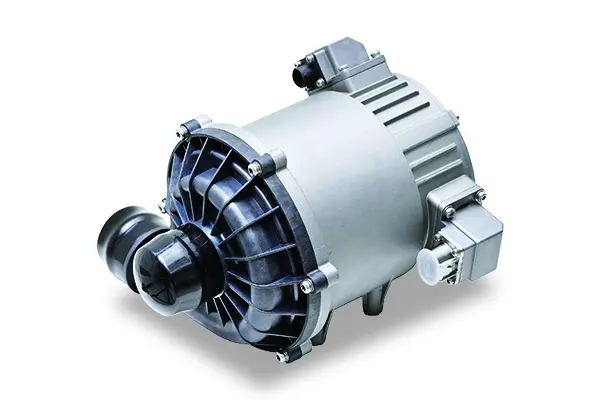
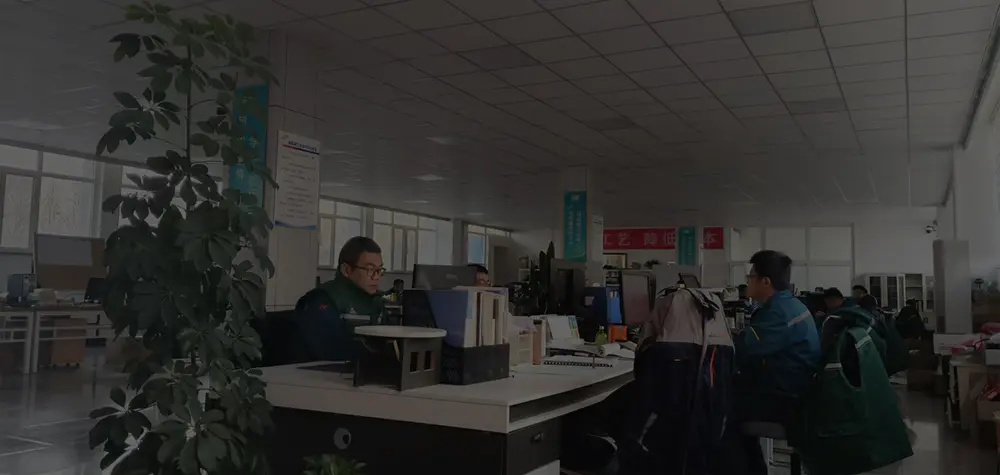
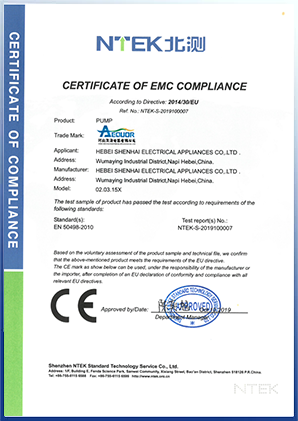
We launched China's first magnetic water pumps and three-way high-voltage insulation monitors, using advanced tech for precise monitoring and diagnosis. This same level of engineering precision is applied to our hydraulic line production, ensuring zero-defect quality for our global partners.
For procurement managers at major OEMs and aftermarket distributors, finding a reliable PTFE Brake Line Supplier involves more than just price comparison. The focus has shifted toward supply chain resilience and technical compliance. In the current economic climate, enterprises are looking for:
Our PTFE components are not limited to standard passenger vehicles. We provide solutions for diverse and challenging environments:
High-pressure hydraulic systems in construction equipment where heat and vibration would cause standard hoses to fail.

Buses and trucks (like those from our partners Yutong and Geely) utilize PTFE for long-term maintenance reduction.
Critical cooling and braking lines in hydrogen fuel cell vehicles and large-scale energy storage systems.
Precision-engineered lines for racing applications where braking response time is measured in milliseconds.
Our factory and R&D base span over 35,000 sqm, facilitating large-scale production that most small-scale suppliers cannot match. The annual output of a single shift reaches:
As a core supplier for brands like SANY, Geely, and BAIC, we have proven our ability to scale with the market's demands while maintaining 100% testing on all critical assembly lines.
China remains the heart of the global automotive supply chain. By sourcing directly from our factory in Hebei, you bypass middleman markups and gain direct access to our engineering team for OEM/ODM requirements. Our international layout covers markets in France, Canada, Russia, and the United States, providing us with a global perspective on quality and service.






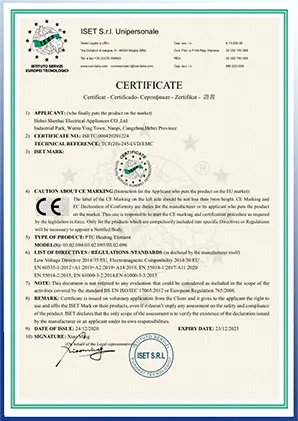
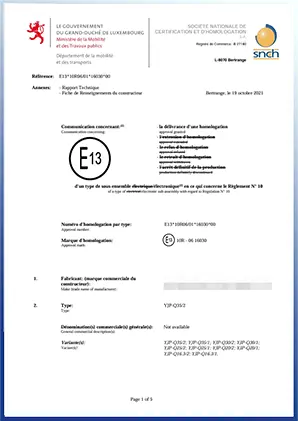
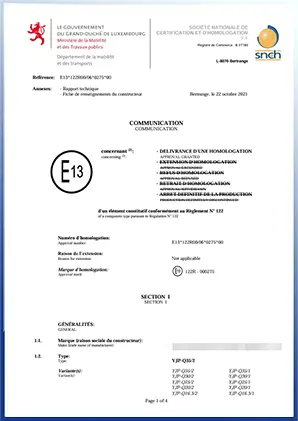
"Emma handled the process very well and professionally. Great to work with her. The pumps are for a prototype and the manufacturer modified the PWM signalling as requested."
 Global Prototype Engineer
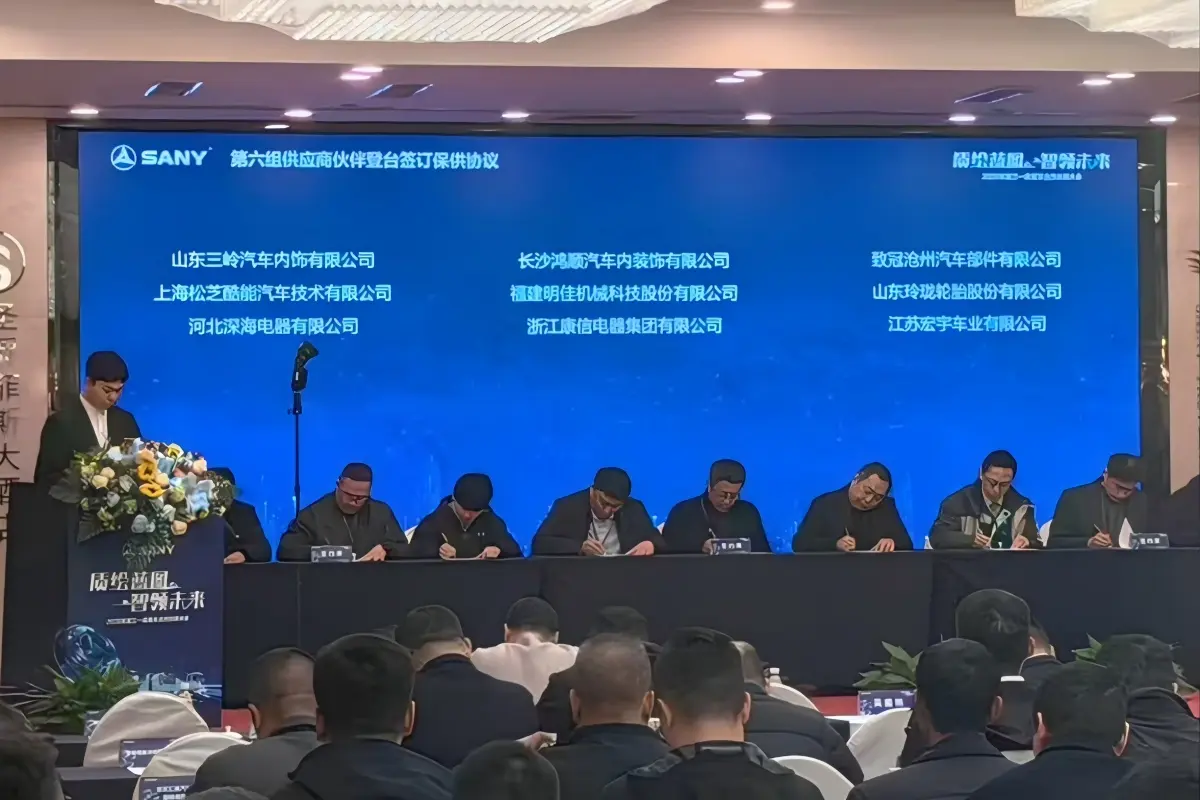
Our factory is a long-term SANY-recognized core supplier, providing global access to quality parts.
When searching for a Wholesale PTFE Brake Line Supplier, it is crucial to understand the underlying material science that sets these products apart. PTFE, a synthetic fluoropolymer of tetrafluoroethylene, is hydrophobic, non-wetting, high-density, and resistant to high temperatures. In a braking system, these properties translate to "Zero Expansion."
Traditional EPDM rubber hoses expand under the high hydraulic pressure generated during emergency braking. This expansion results in a delay in brake pad engagement. PTFE lines, especially when reinforced with 304 or 316 stainless steel braiding, maintain their internal diameter perfectly. This ensures that 100% of the pedal force is transmitted to the calipers instantly.
Brake systems generate immense heat. In heavy-duty or high-performance scenarios, fluid temperatures can exceed 200°C. Rubber hoses soften and degrade at these temperatures. PTFE remains stable from -70°C to +260°C, ensuring consistent braking performance whether you are in the Arctic or the Sahara.
While the initial cost of PTFE may be higher than rubber, the Total Cost of Ownership (TCO) is significantly lower. PTFE does not age, crack, or rot. A single set of PTFE brake lines can outlast the vehicle itself, making it a preferred choice for fleet operators and high-value vehicle manufacturers.
 ANHAN TRADE