Precision-engineered components delivering reliable heat dissipation, acceleration mechanics, and insulation monitoring for vehicle platforms.
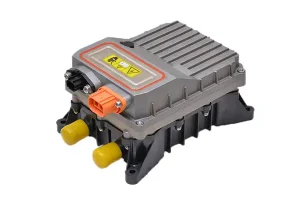
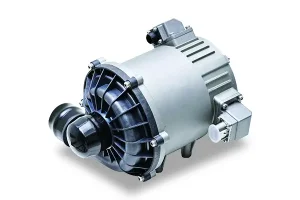
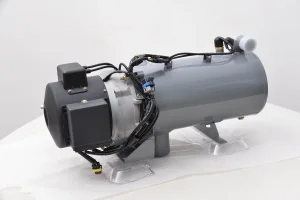
In modern industrial manufacturing and electrification frameworks, thermal transfer pumps—specifically brushless DC (BLDC) magnetic drive coolant pumps—form the baseline of thermal management systems. As machinery, energy storage systems, and electric powertrains grow in power density, the requirement to isolate, transfer, and regulate heat becomes critical to overall system efficiency. A high-efficiency thermal transfer pump acts as the heart of liquid cooling loops, driving heat exchangers to prevent thermal runaway and maintain optimal system operating ranges.
Conventional cooling systems relied heavily on mechanically driven shaft-seal pumps. However, in continuous industrial cycles and automotive environments, mechanical seals present structural vulnerabilities: friction wear, fluid leakage, and power loss. The transition to magnetic drive canned-rotor designs has mitigated these failures. In a magnetic drive configuration, the pump's impeller is physically decoupled from the motor drive shaft; torque is transferred magnetically across a solid hermetic containment shroud. This eliminates the dynamic seal entirely, ensuring zero leakage of expensive or hazardous coolants (such as ethylene glycol-water mixtures or dielectric heat transfer fluids).
From a fluid dynamics perspective, maximizing thermal transfer efficiency relies on optimizing the boundary layers within the impeller housing. Computational Fluid Dynamics (CFD) modeling allows engineers to structure volutes that reduce turbulence and cavitation. Cavitation not only destroys pump impellers over time but also introduces micro air bubbles into the cooling loop, significantly degrading the coolant's thermal conductivity. Our custom-designed magnetic water pumps are engineered to run near-laminar flow lines, maximizing hydraulic performance while keeping power draw to a minimum.
By replacing dynamic rotary shaft seals with static containment shells and high-energy NdFeB (Neodymium Iron Boron) permanent magnetic couplers, we reduce mechanical friction to near zero. This architecture yields a Mean Time Between Failures (MTBF) exceeding 20,000 operational hours under extreme temperature variants (-40°C to 120°C).
Passive cooling systems are no longer viable in dynamic load environments. Today’s industrial networks demand smart, variable-speed operation. Modern thermal transfer pumps integrate intelligent electronic control units (ECUs) inside the motor housing. These ECUs process closed-loop control signals via Pulse Width Modulation (PWM) or Controller Area Network (CAN) bus protocols.
Combining 20 years of manufacturing experience with state-of-the-art testing laboratories to deliver high-performance automotive and industrial solutions.
We built the Hebei Province New Energy Vehicle Engineering Standard Laboratory to support cutting-edge R&D and performance testing. We launched China's first magnetic water pumps and three-way high-voltage insulation monitors, using advanced technologies for precise diagnostic tracking.
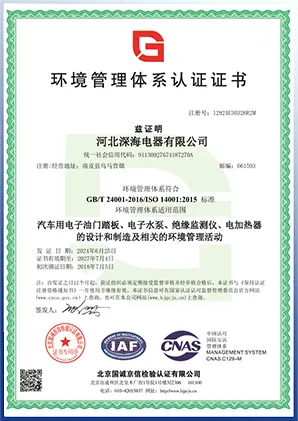
We passed ISO/TS16949 by German Rhine in 2008 and continuously upgrade our processes. We utilize automated SMT lines and over ten advanced assembly and testing systems to guarantee high-consistency manufacturing under automotive standards.
Operating a production and R&D base of over 35,000 sqm. Our annual output reaches 1.2 million electronic accelerator pedals, 300,000 magnetic water pumps, and 50,000 insulation monitors, ensuring consistent supply to high-volume global markets.
We have established long-term and stable relationships with industry leaders, including Zhengzhou Yutong, Geely, BAIC, JAC, and SANY. Our components are exported to France, Canada, Russia, and the United States.
As cooling loops become more integrated, the application landscape for thermal transfer pumps has expanded beyond simple engine cooling. Today, thermal regulation systems operate in highly specialized conditions, demanding specific mechanical and electrical configurations to preserve hardware integrity.
For electric vehicles (EVs) and hybrid platforms, battery life, charging rates, and safety depend directly on temperature uniformity. Lithium-ion batteries function best between 15°C and 35°C. During rapid charging (Level 3 DC fast charging) or high-load acceleration, internal battery cell resistance generates significant heat. If this heat is not dissipated uniformly, it leads to localized hot spots, cell degradation, and, in worst-case scenarios, thermal runaway.
Liquid cooling plates (or cooling ribbons) are integrated directly into the battery pack structure. Our electronic thermal water pumps drive high-flow glycol solutions through these micro-channel cooling plates. By maintaining precise flow rates and pressure parameters, the temperature difference between any two cells in the pack can be kept below 3°C, extending battery cycle life and improving safety.
Proton Exchange Membrane Fuel Cells (PEMFC) operate at high power densities, generating heat roughly equal to their electrical output. Because the fuel cell stack contains active high-voltage plates, the coolant circulating through the stack must remain non-conductive to prevent short circuits and catastrophic degradation of the fuel cell membrane.
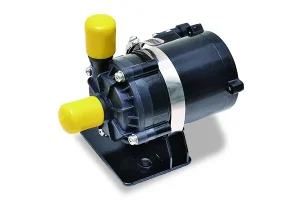
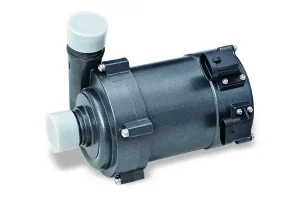
This application requires highly specialized thermal transfer pumps:
Large-scale battery energy storage systems (BESS)—used for grid stabilization and renewable energy storage—are housed in dense container configurations. These systems require continuous 24/7 cooling. Thermal transfer pumps designed for BESS must exhibit high durability, low noise, and maximum hydraulic efficiency to minimize the container's self-consumption parasitic power loss. Our pumps (ranging from 60W up to high-pressure 2.5kW units) are configured with high-grade electronics that guarantee continuous uptime in remote utility-scale locations.
By leveraging Hebei Shenhai’s industrial infrastructure, we achieve deep vertical integration. From sheet metal stamping and automated SMT controller boards to precision magnetic rotor assembly, every step is controlled in-house. This structure allows us to offer global buyers shorter lead times, customized PWM signaling profiles, and high cost-efficiency without compromising automotive TS16949 reliability standards.
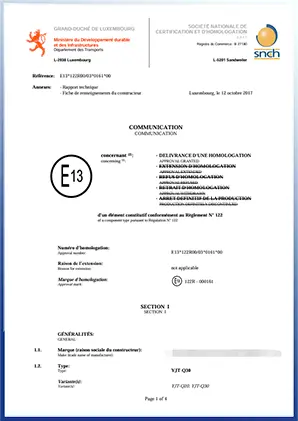
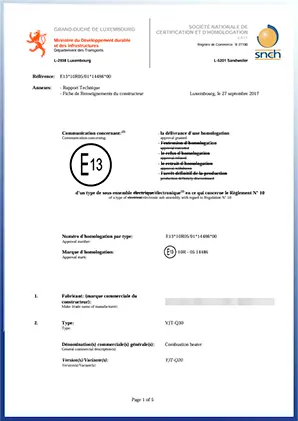
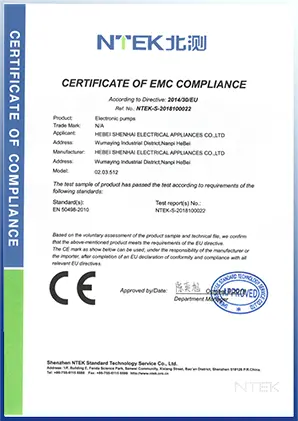
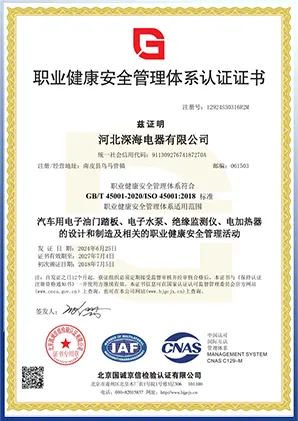
Our commitment to rigorous international standards is validated by global vehicle manufacturers and independent testing organizations.






Expert insights into coolant loop hydraulics, magnetic coupling safety, and customized pump configurations.
Providing reliable, high-performance thermal management components to international automotive and industrial systems integration teams.

"The engineering team worked closely with us to customize the PWM signaling profile for our heavy equipment prototype. The pump's CAN bus communications and diagnostics integrated seamlessly into our controller system."

"We transitioned our electric bus platforms to these magnetic drive pumps. Under continuous long-haul operations, these components have met our reliability expectations. Lead times were consistent."
Stay informed on the latest developments in vehicle thermal management, industrial pumps, and quality standards.
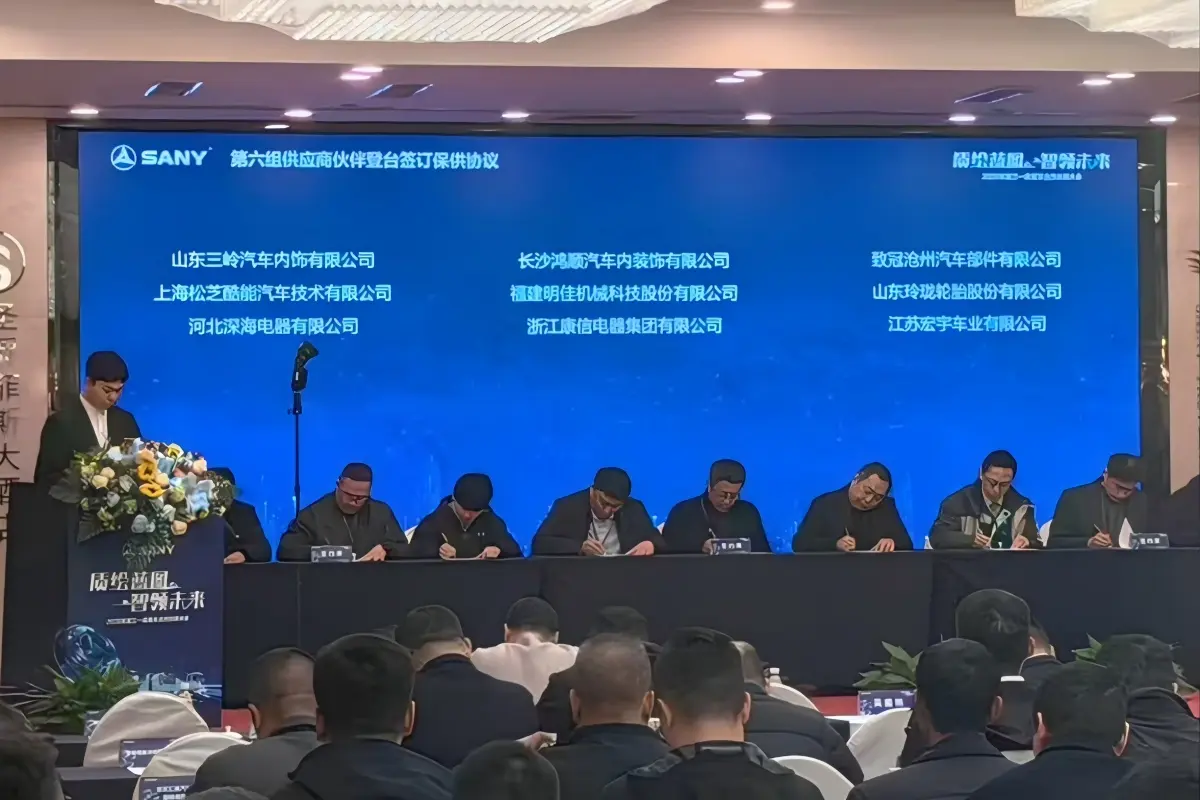
Our factory, Hebei Shenhai, is a long-term recognized supplier of core components for SANY. We showcase our latest electronic throttle systems and thermal control modules designed for heavy-duty transit networks.
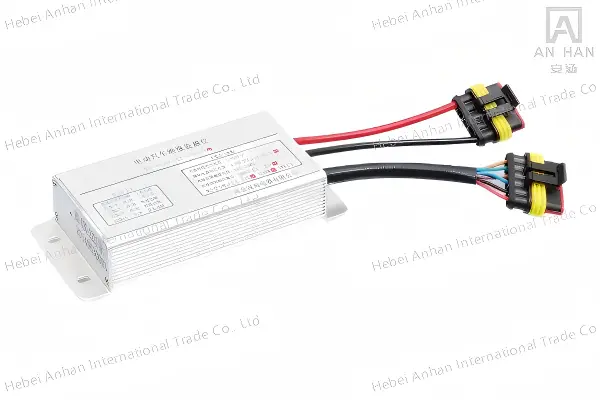
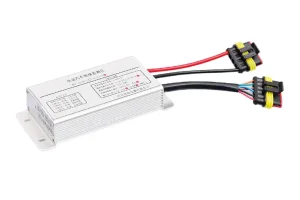
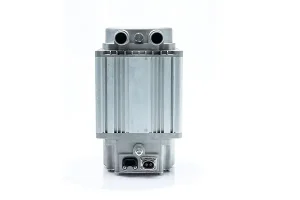
Insulation monitors are critical for safety in electric vehicle designs. Our systems provide real-time fault detection and early warnings to isolate electrical hazards and comply with international regulations.
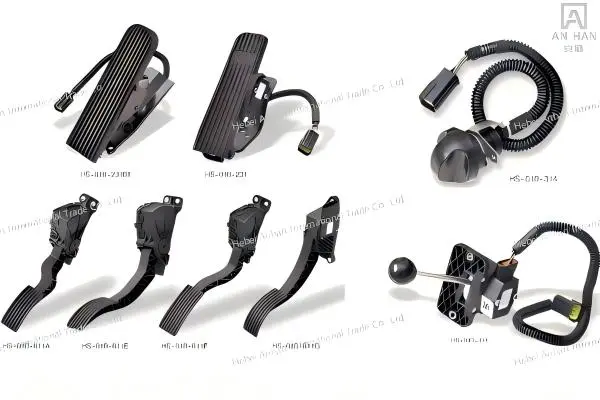
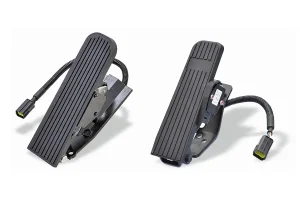
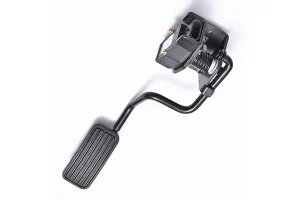
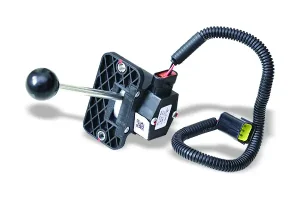
Discover how non-contact Hall-effect sensors enhance throttle pedal longevity and performance. Our catalog includes floor-mounted and suspended pedal variants customized for global machinery OEMs.
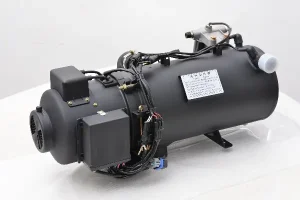
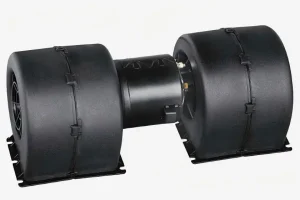
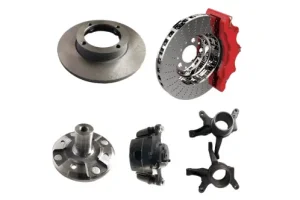
Explore our complete inventory of electronic pumps, liquid heaters, and mechanical brake system components.
 ANHAN TRADE