Precision-engineered components compliant with international safety and performance benchmarks.
Original core catalog optimized for low-voltage and high-voltage applications.
Integrating CE compliance, thermodynamic efficiency, and localized applications in industrial heating environments.
In modern industrial and commercial operations, temperature control is not merely a matter of comfort; it is a critical variable impacting operational continuity, material integrity, and system safety. From logistics depots requiring frost protection to complex automotive manufacturing facilities and chemical plants where raw materials are sensitive to cold, high-performance electric fan heaters (typically starting at 7KW up to 20KW and above) serve as the primary defensive mechanism against sub-zero conditions. Globally, the commercial heating landscape is rapidly transitioning from combustion-based infrastructure (oil, gas) to electric forced-air systems. This structural pivot is driven by global decarbonization initiatives, ESG compliance targets, and the necessity to avoid localized emissions within enclosed production facilities.
An electric fan heater relies on a powerful blower to drive air across a low-resistance heating element, producing immediate convective heat flux. This active circulation allows rapid stabilization of ambient temperatures across massive spatial volumes. As developers of specialized electric heating systems and automotive-grade thermal management accessories, our expertise in fluid dynamics and high-capacity electrical engineering allows us to produce systems optimized for long-term continuous operation under harsh operational circumstances.
By leveraging high-velocity dynamic fans, forced-air convection systems achieve thermal dispersion rates up to 4.2 times faster than traditional static radiators. This translates directly to reduced power draw per heating cycle, saving commercial operators up to 18% in monthly energy expenditures, whilst minimizing the spatial stratification of hot air near the ceilings of high-bay warehouses.
Understanding user intent in procurement requires breaking down the exact environments where electric fan heaters are deployed. We design and export systems built specifically for these high-stress local scenarios:
How Hebei Province New Energy Vehicle Engineering Standard Laboratory supports cutting-edge performance testing.
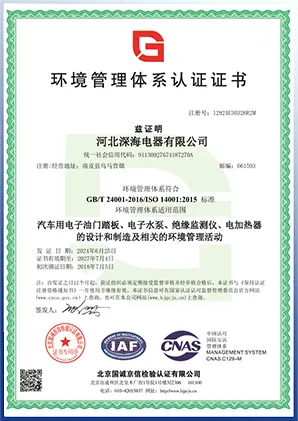
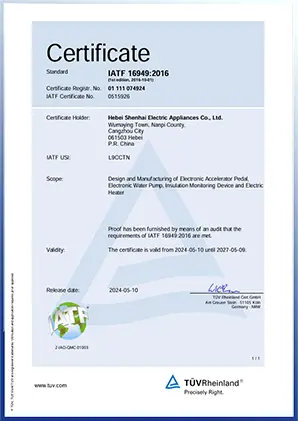
Complete hardware facilities. We passed the rigorous ISO/TS16949 certification by the German Rhine in 2008 and have continuously upgraded our systems. Implementing full-process quality control in all manufacturing workflows enables us to meet the demanding requirements of global vehicle manufacturers and industrial clients.
Operating a dedicated engineering laboratory for performance testing of thermal components, key electric water pumps, and heating control modules. We launched China's first magnetic water pumps and three-way high-voltage insulation monitors, using advanced tech for precise diagnosis.
Our production facilities occupy an area exceeding 35,000 square meters. The base features full-automatic SMT lines and over 10 parallel assembly and diagnostic lines. This high level of automation guarantees that batch quality remains perfectly consistent, avoiding localized failures.
Achieving energy efficiency, strict CE conformance, and multi-layered hardware protection.
The development roadmap of industrial heating is defined by three pillars: smart thermal control, materials science innovation, and safety redundancy.
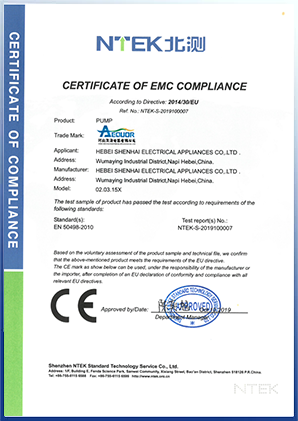
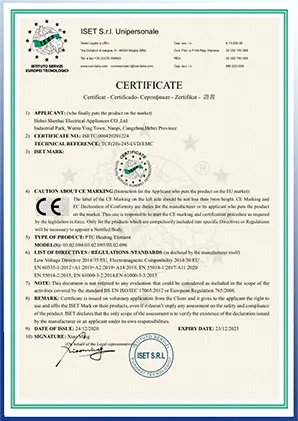
For European markets, importing electric heaters requires absolute conformity to CE directives. Our manufacturing adheres strictly to:
Unlocking logistics advantages, raw material integration, and high production volume capacity.
Why do leading global brands source their industrial thermal units and control parts from our Hebei manufacturing hub? The answer lies in the deep vertical integration of the local industrial ecosystem. In Hebei and neighboring economic clusters, we have access to high-grade silicon steel, pure copper wiring, ceramic PTC plates, and microelectronic control chips within a 100-kilometer radius. This geographic concentration reduces logistical lead times and buffers our clients against global raw material volatility.
Our high-speed SMT assembly lines and dedicated mechanical workshops maintain an annual output capacity of:
With an export footprint exceeding $20 million annually, our logistics departments maintain close partnerships with major shipping ports, ensuring that bulk container orders are dispatched efficiently with pre-cleared customs documentation. Our strict compliance with ISO/TS16949 standards (audited by German Rhine) ensures that every export batch matches the exact technical parameters of the pre-shipment prototypes.
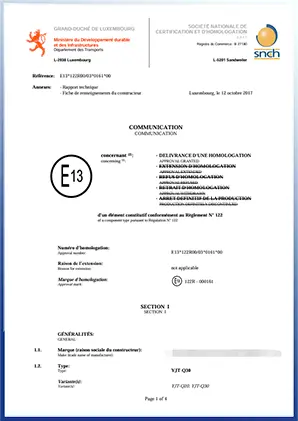
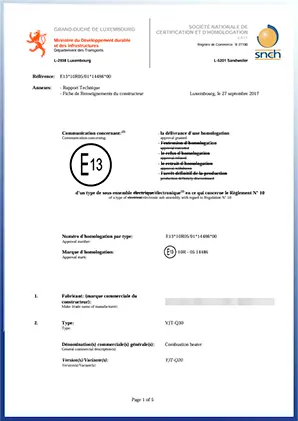
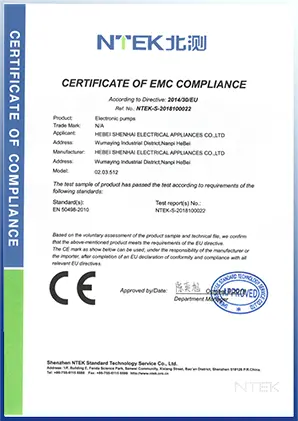
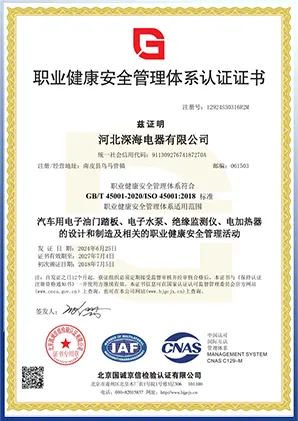
Verified certificates proving compliance with international automotive and electrical safety codes.
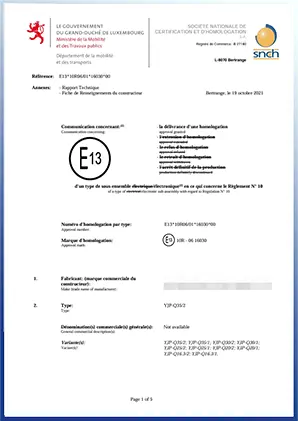
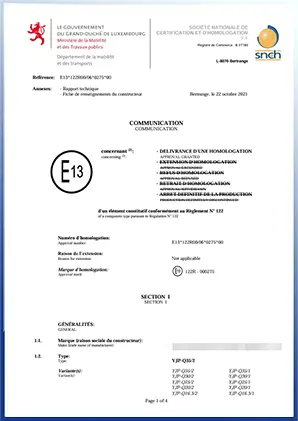
Real-world feedback on technical execution, product quality, and customized manufacturing services.
Detailed technical responses addressing common engineering and procurement inquiries.
Explore our wide selection of industrial thermal management, sealing, and vehicular control parts.
Working alongside leading international automotive and heavy machinery brands.












Keep your engineering and supply chains optimized with latest industry insights.
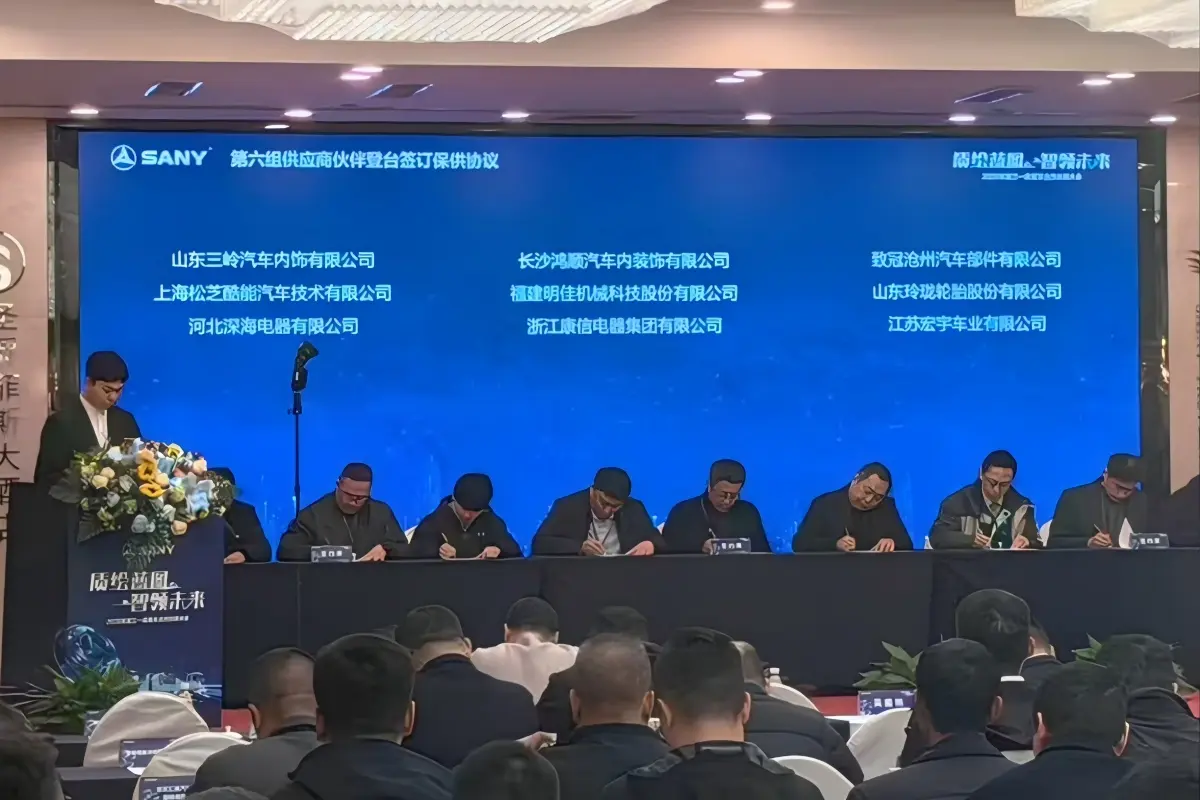
Our factory, Hebei Shenhai, is a long-term SANY-recognized core supplier, as recently showcased at the SANY Commercial Vehicle Conference. As its exclusive export partner, ANHAN provides global access to these quality components.
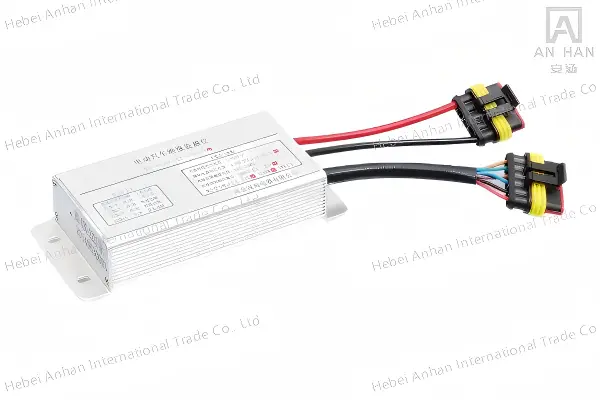
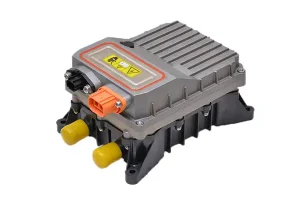
Insulation monitor is a critical EV safety component. It provides real-time detection of high-voltage insulation failures, delivers early warnings to prevent electrical hazards, ensures operational safety, and supports compliance with stringent requirements.
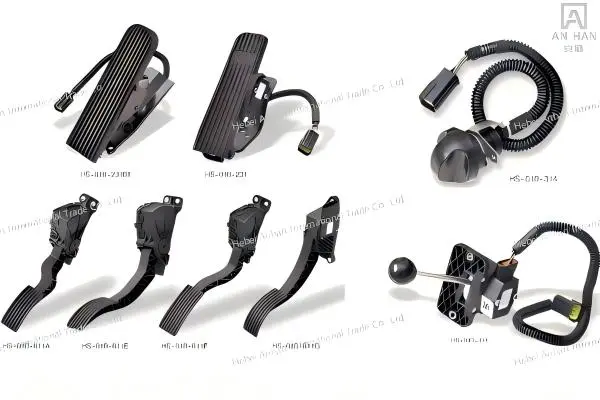
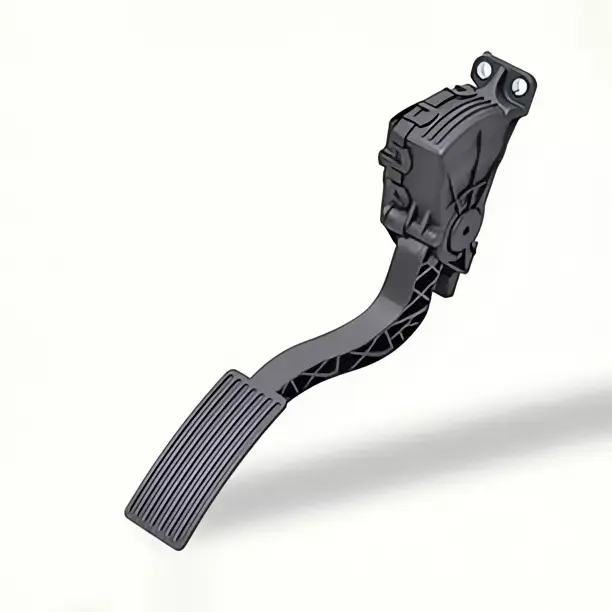
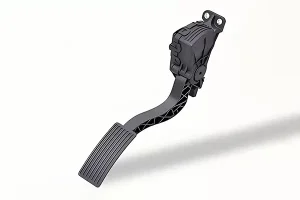
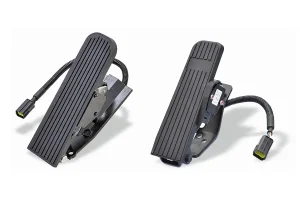
Anhan accelerator pedal utilizes non-contact Hall effect sensing technology, offering long lifespan, fast response, and high stability. It provides floor-mounted and suspended models with full manufacturing customization support.
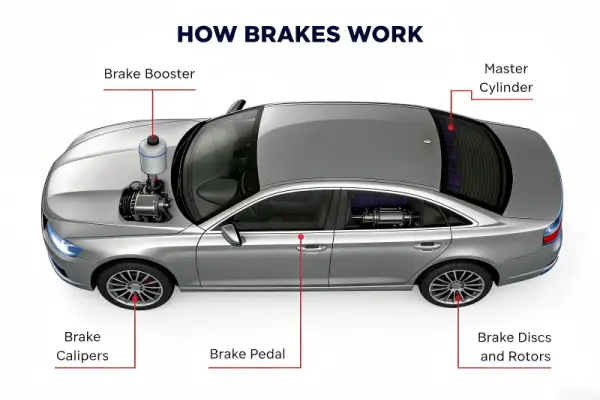
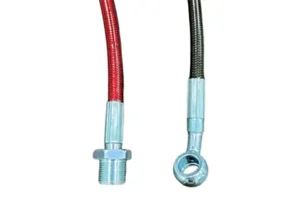
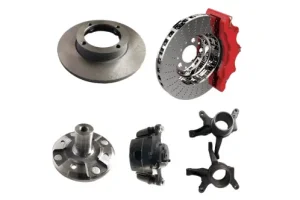
Braking systems are a critical safety component. Here we discuss how automotive braking systems function, key performance measurements, and how electrification is changing brake component designs.
 ANHAN TRADE
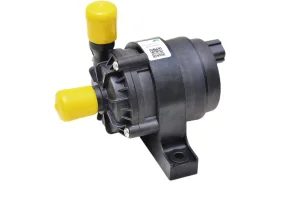
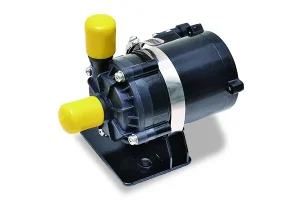
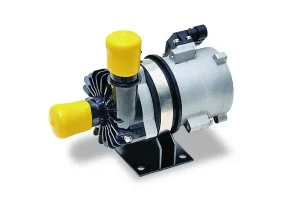
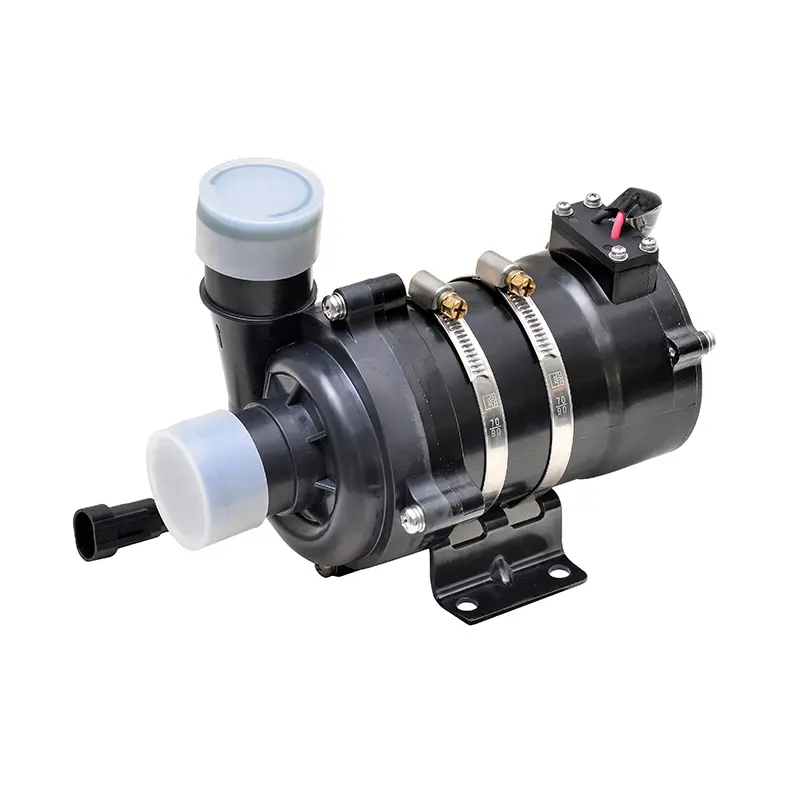
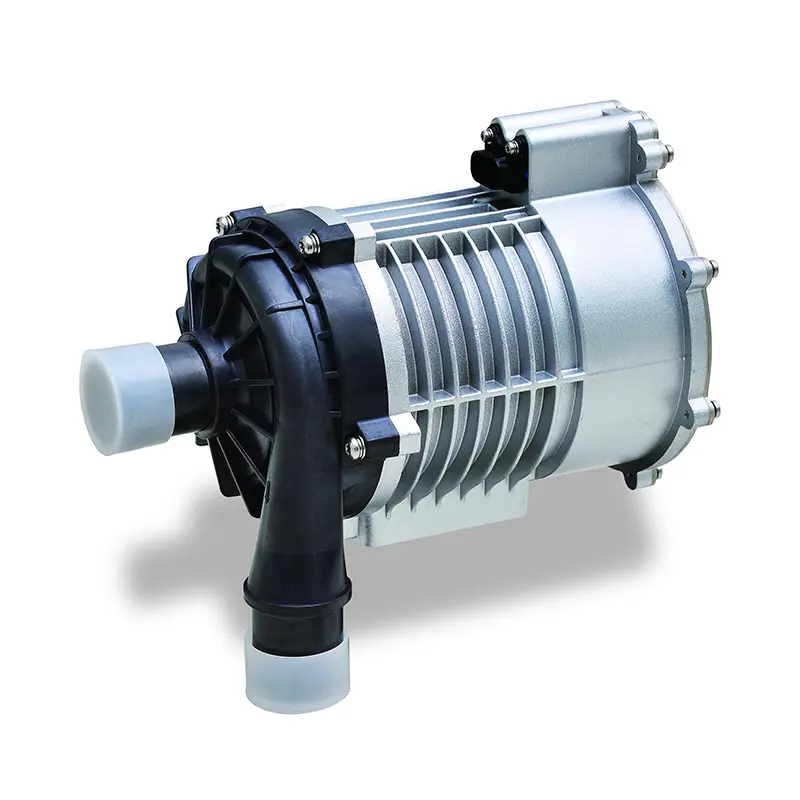
"Emma handled the process very well and professionally. Great to work with her. The pumps are for a prototype and the manufacturer modified the PWM signalling as requested."
"Our factory installation required custom electrical configurations for 7KW forced air units. The technical engineering team provided detailed documentation for immediate CE inspections."
"The reliability of these heaters under winter storage conditions has been stellar. We have had zero mechanical failures across 40 units deployed in high-humidity zones."